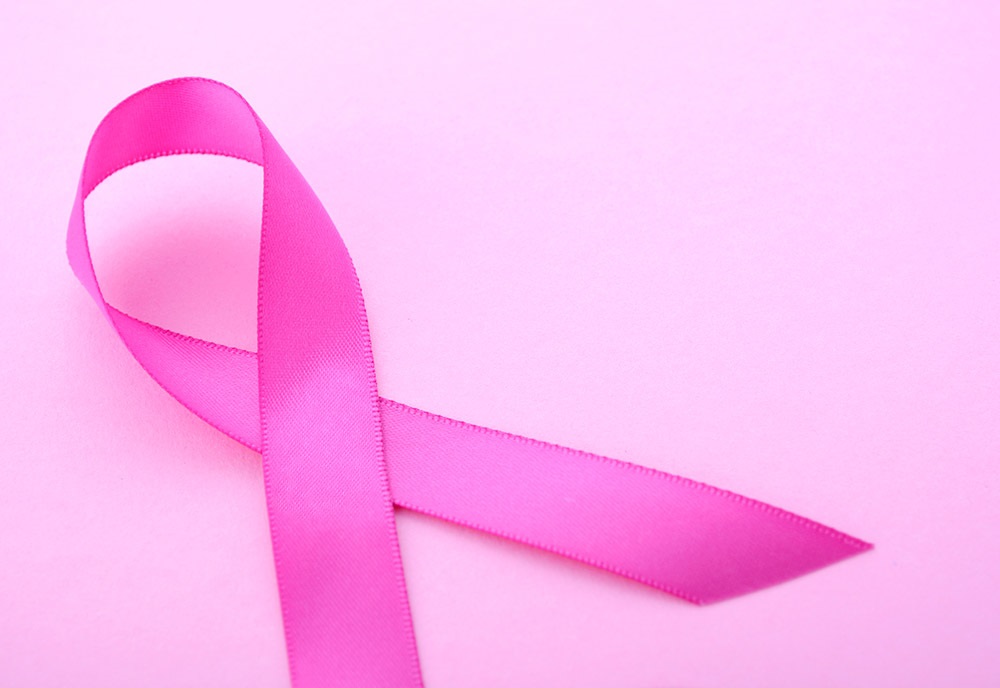
Throughout the month of October, you have been seeing a lot of pink. The now-famous pink ribbon representing breast cancer awareness is posted on billboards, worn on lapels, and imprinted on t-shirts. Like the color pink, breast cancer is sometimes mistakenly considered something only of concern for women.
According to the Centers for Disease Control and Prevention though, both men and women can get breast cancer. And, as the most common type of cancer for women other than skin cancer, we all have the potential to be affected by it.
VA recognizes that screening and early detection are critical to the outcome of a person who may be at risk for breast cancer, and women Veterans represent the fastest growing subgroup of Veterans that seek health care throughout its system.
VA provides mammograms to all Veterans according to national guidelines, and VA’s Joint Legacy Viewer (JLV) helps providers and staff make informed decisions about screening and prevention options for their patients.
Program Assists in Early Detection of Breast Cancer
With a view of health data from VA, the Department of Defense, and participating non-VA providers, JLV gives VA staff a more complete and accurate picture of a person’s health history, including a chronological view of clinic notes, radiology reports, and laboratory results that may assist in the early screening and detection of breast cancer.
The JLV program is proud to support VA’s efforts to promote the early detection of breast cancer in October, and throughout the year. Here’s more information about Women Veterans Health Care and Breast Cancer Awareness.
About the author: Stacie M. Rivera, MPH, APR is Public Affairs Specialist at the Veterans Health Administration Office of Informatics and Information Governance
Topics in this story
More Stories

VA and the American Kidney Fund work together to fight chronic kidney disease in Veterans.
Transitioning to civilian life can be difficult. Find ways to overcome suicide thoughts with VA and Veteran organizations resources.

In this week's #LiveWholeHealth video, learn how to incorporate mindful movement into your day with yoga and stretching to improve posture, reduce stress and boost mood.