
Esketamine treatments can have a significant impact on Veterans with treatment resistant depression.

Veteran Walter Adams proudly shares his love for the art of jewelry making with other Veterans.
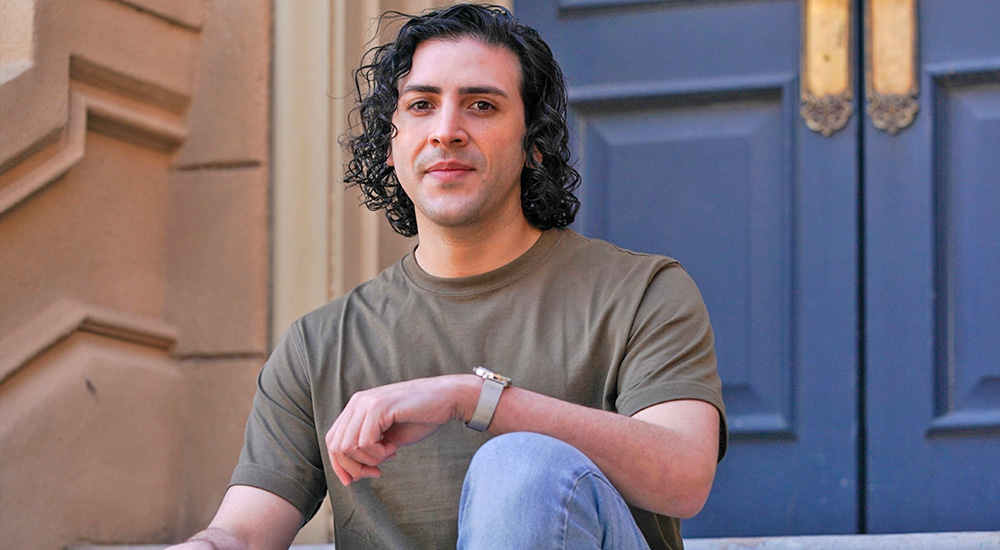
Evidence-based therapies help Veterans recover from depression. Talk with your VA provider to identify the treatment plan that’s best for you.

A VA study has found that Pharmacogenomic, or genetic testing, can help providers avoid prescribing antidepressant medications that may have undesirable outcomes.
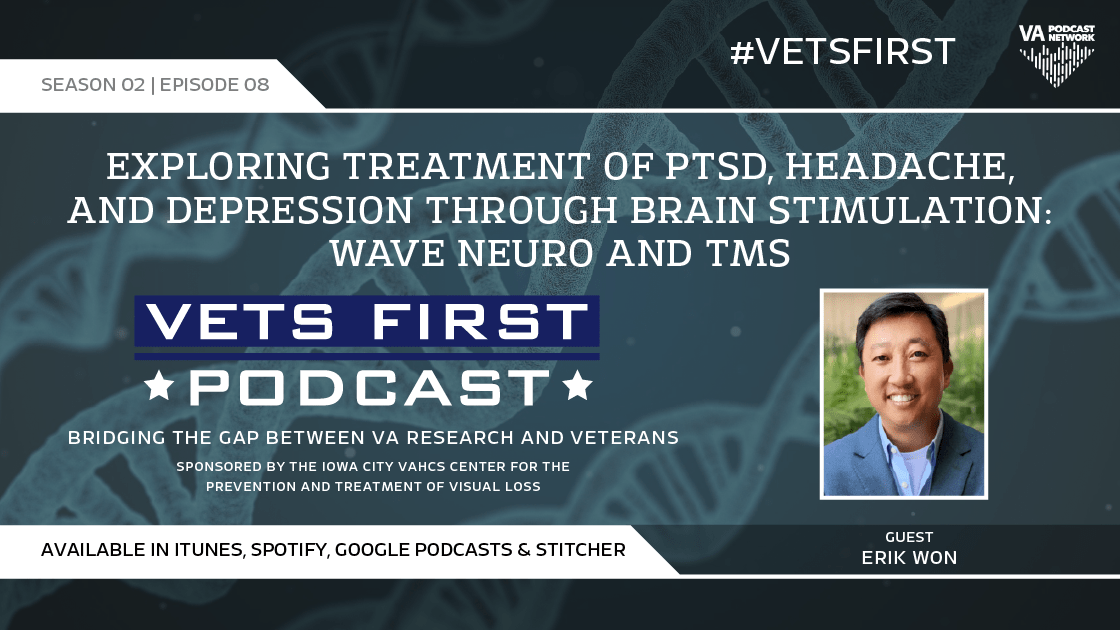
In this episode, podcast hosts Levi Sowers and Brandon Rea dive into Transcranial Magnetic Stimulation, a treatment for depression, PTSD, and headache.

In episode six, podcast hosts Levi Sowers and Brandon Rea interview two Vets to talk about mental health issues, including TBI and PTSD.
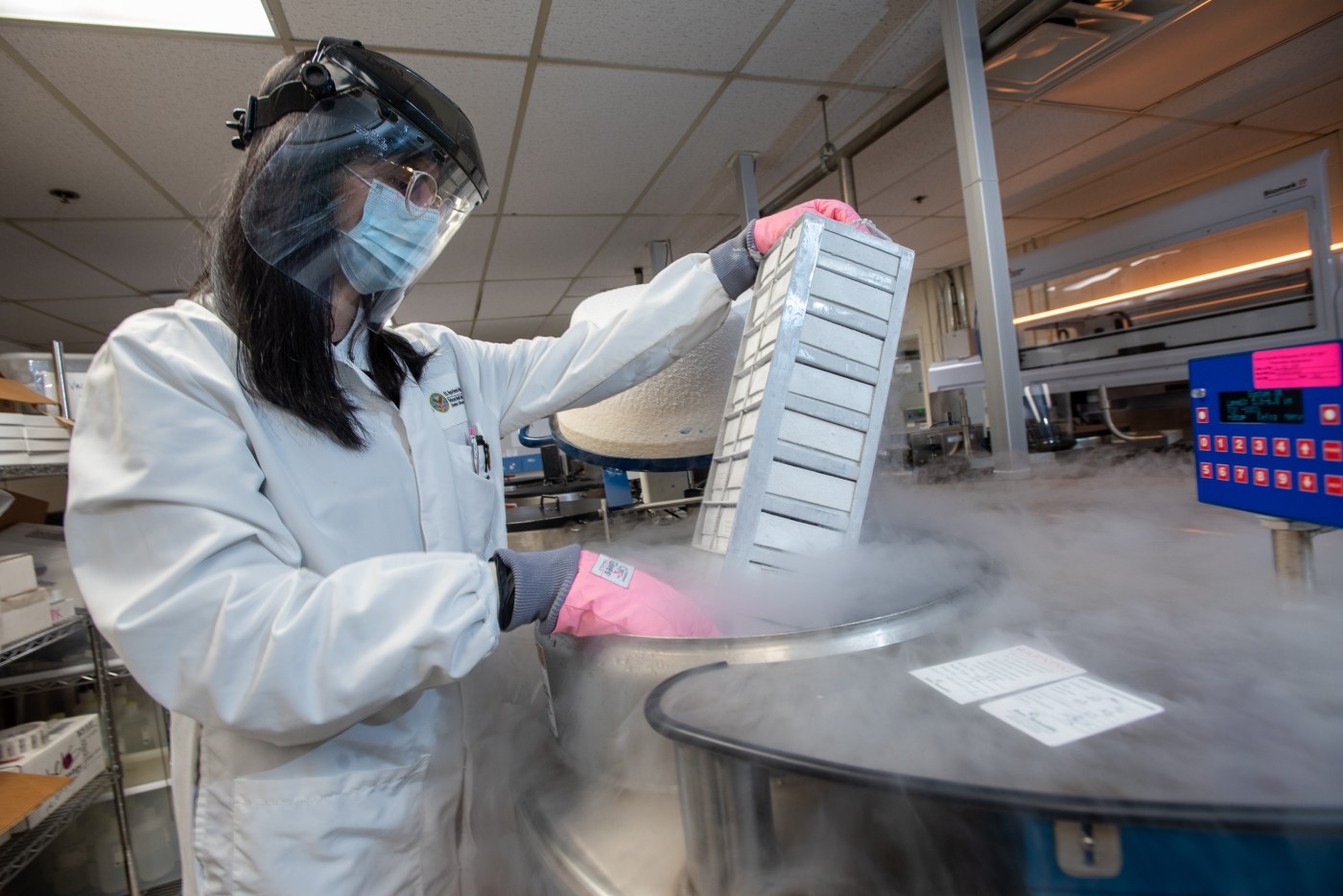
The study involved genetic data on more than 300,000 participants of VA’s Million Veteran Program (MVP), along with more than a million subjects from other biobanks, including 23andMe. With such a large participant pool, the researchers were able to spot trends in genetic risk of depression not previously known.
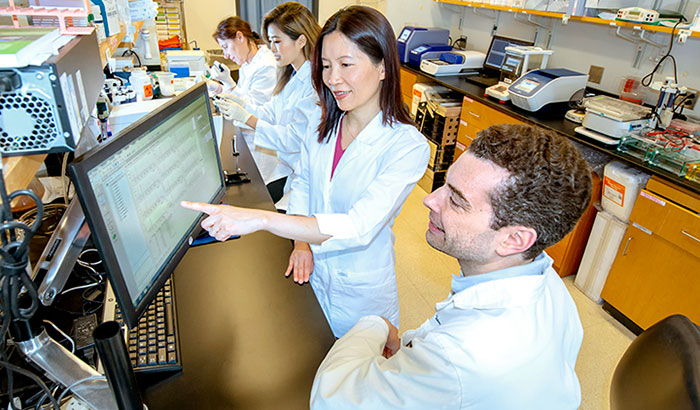
Using an innovative protein-based approach, researchers at the Atlanta VA Medical Center and nearby Emory University have found genes and corresponding proteins that could point the way to new depression treatments.

Now, a new analysis based on a large VA study on depression showed that patients with or without PTSD had similar relative responses to medication changes.

Learning the guitar is just one of the art therapy approaches to help Veterans at this Community Living Center relax and socialize. It also reduces stress and lowers blood pressure.
The newly approved Spravato nasal spray for treatment-resistant depression will be made available to Veterans based on their individual medical needs combined with providers' clinical assessments.
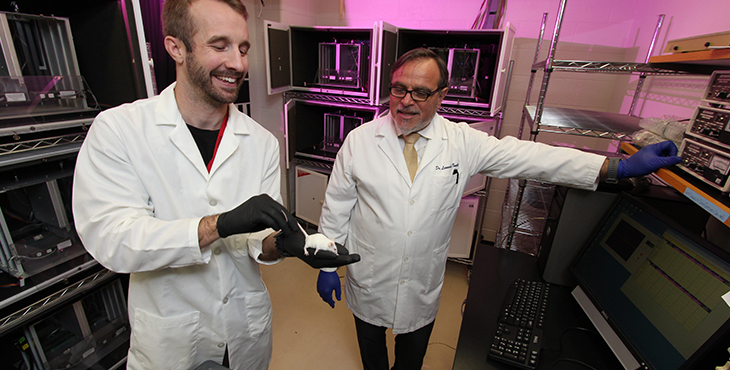
A VA research team hopes to show how the immune system can be harnessed to treat depression and PTSD.


Official websites use .gov
A .gov website belongs to an official government organization in the United States.

Secure .gov websites use HTTPS
A lock (
) or https:// means you’ve safely connected to the .gov website. Share sensitive information only on official, secure websites.
We’re here anytime, day or night - 24/7
If you are a Veteran in crisis or concerned about one, connect with our caring, qualified responders for confidential help. Many of them are Veterans themselves.
Get more resources at VeteransCrisisLine.net.

VA News
An official website of the U.S. Department of Veterans Affairs
- VA.gov
- ChooseVA
- DiscoverVA
- DigitalVA
- VA Outreach Events
- VA Forms
- VA Publications
- About VA
- VA mobile apps
- Accessibility at VA
- No FEAR Act data
- Whistleblower Protection
- Office of the Inspector General
- VA plans, budget, finances, and performance
- Agency Financial Report
- Privacy policy
- FOIA requests
- Disclaimers
- Open data
- Vulnerability disclosure policy
- Copyright policy
Looking for U.S. government information and services? Visit USA.gov