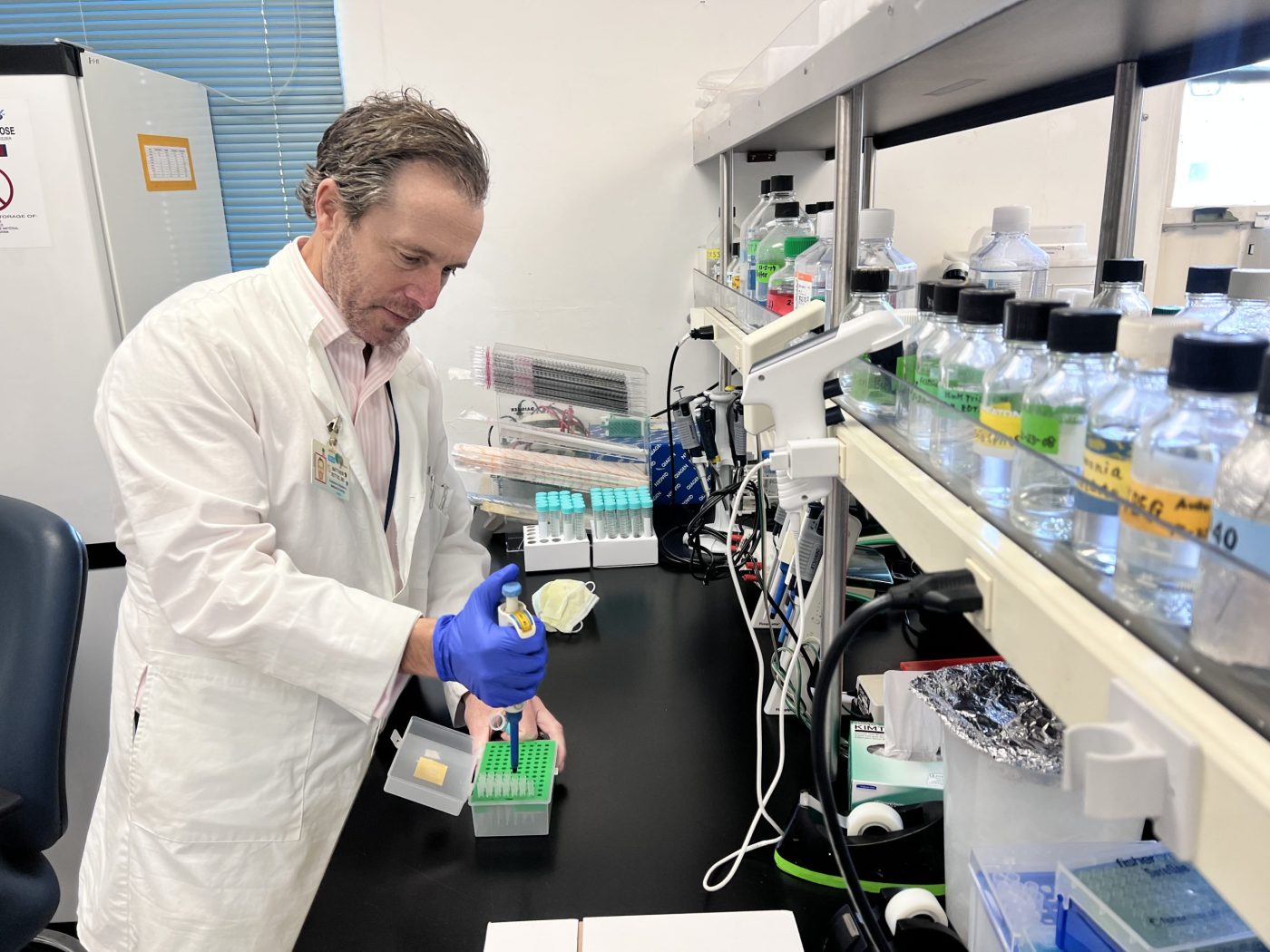
As part of a new research study that began July […]
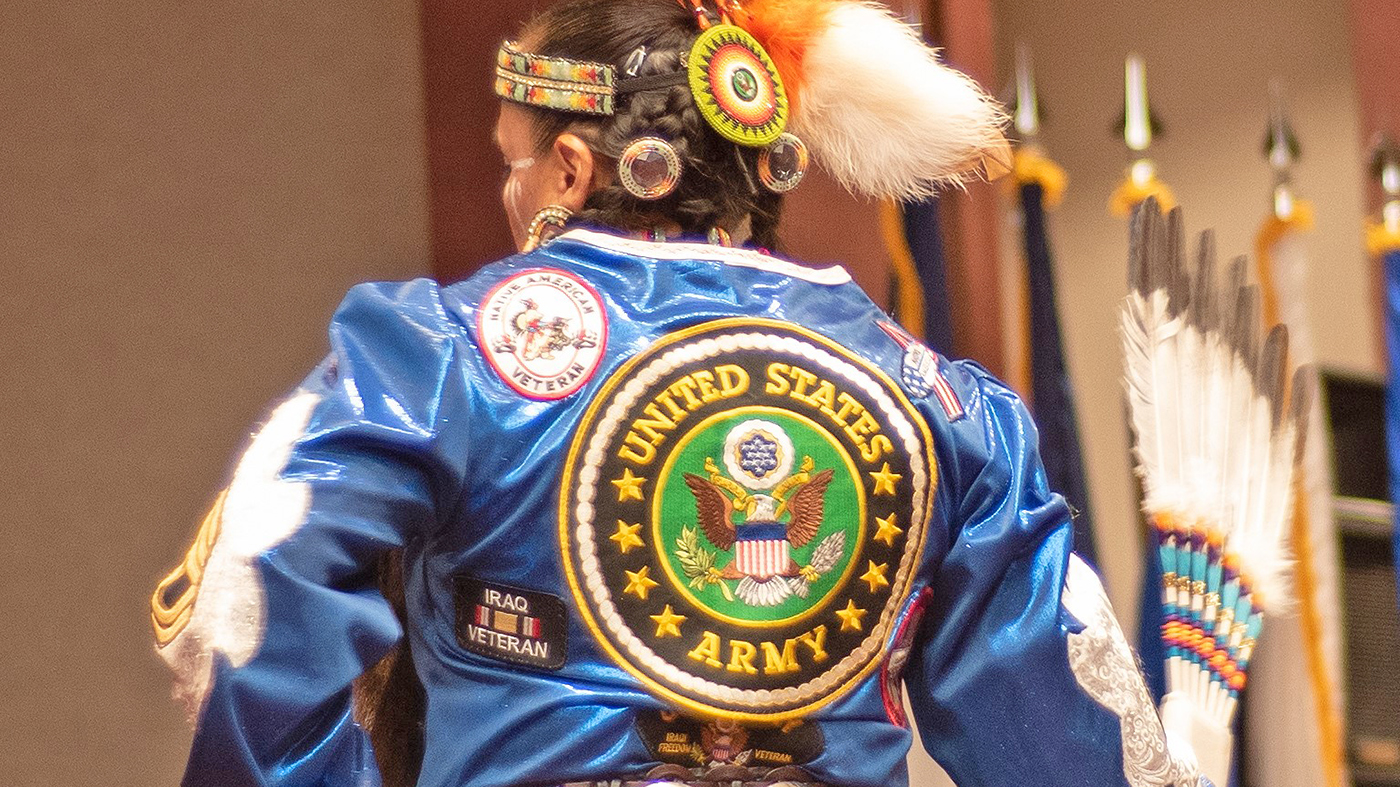
Of the 160,000 American Indian/Alaska Native Veterans, 41% of those service-connected Veterans are screened for some cancers at lower rates than other groups.
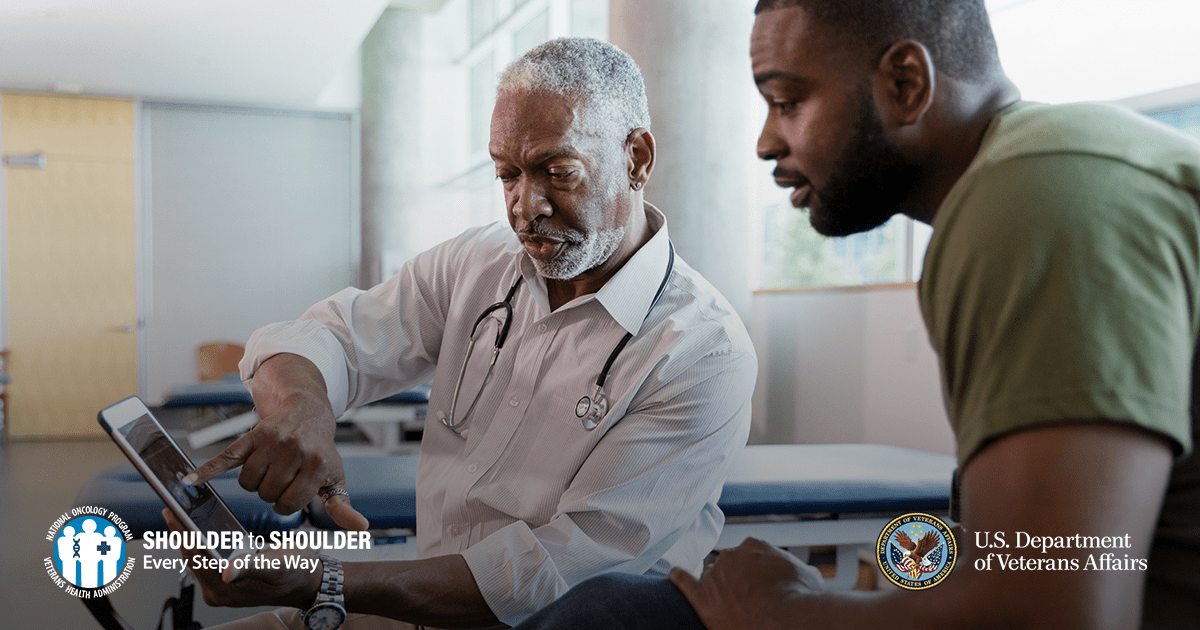
The positive impact of VA’s focus on health equity in oncology can be seen in the cancer care treatment outcomes of Black male Veterans.

VA supports black Veterans who may be at-risk or in the midst of a cancer journey... reducing barriers to VA’s best-in-class cancer care.
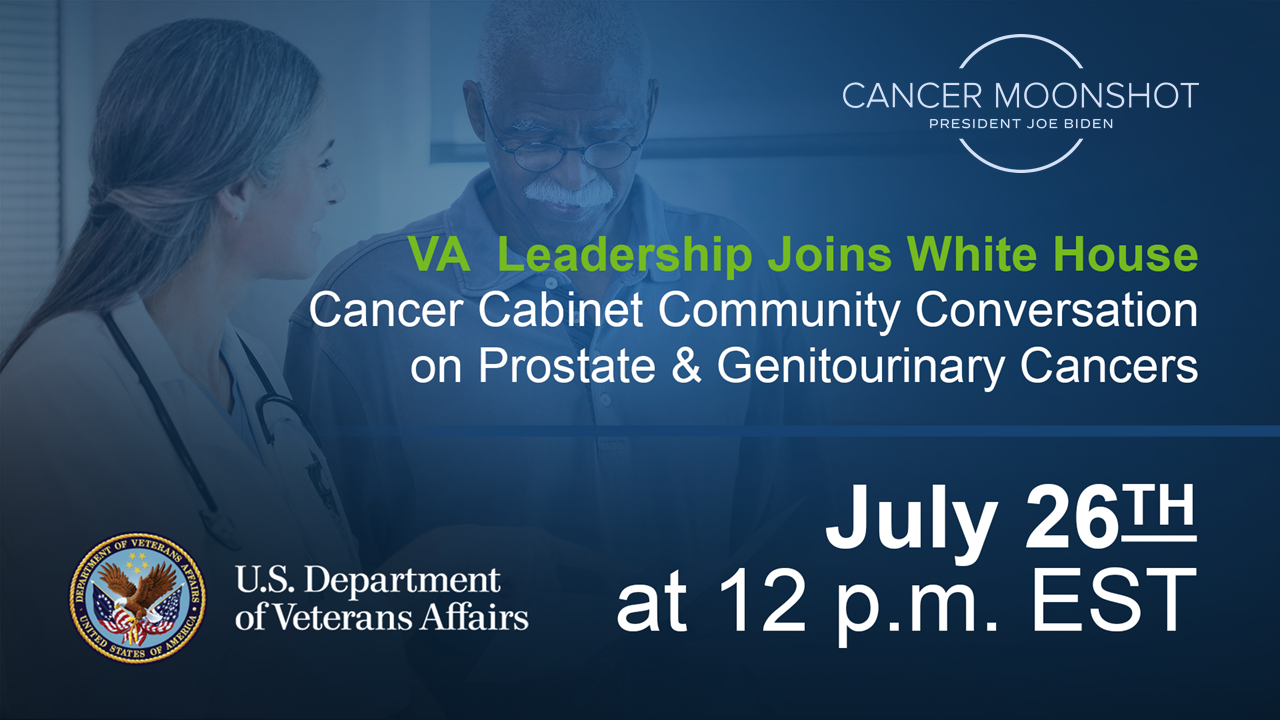
VA’s Cancer Cabinet Community Conversation roundtable will be held at Noon EST on July 26, and the public is welcome to join us via YouTube.
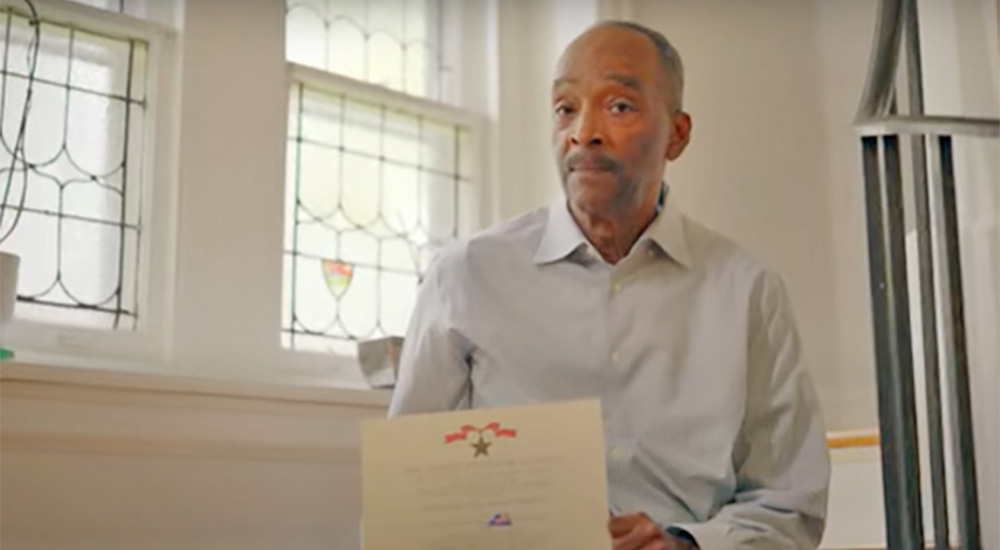
Raising awareness about health challenges facing minority communities and reducing health disparities among minority Veterans.
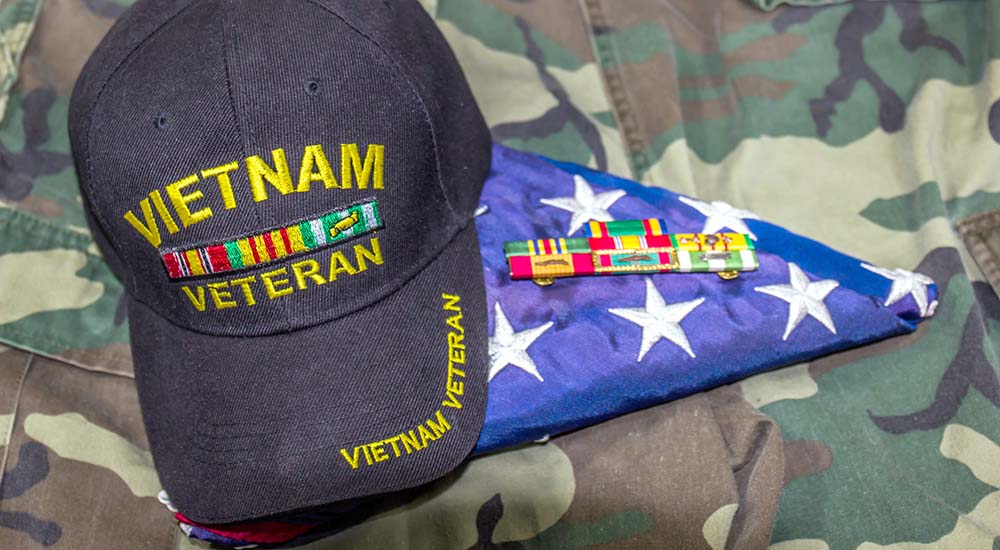
After Marine Corps Veteran Joe Gallo was diagnosed with prostate cancer, he and two others created a virtual support group for prostate cancer patients.
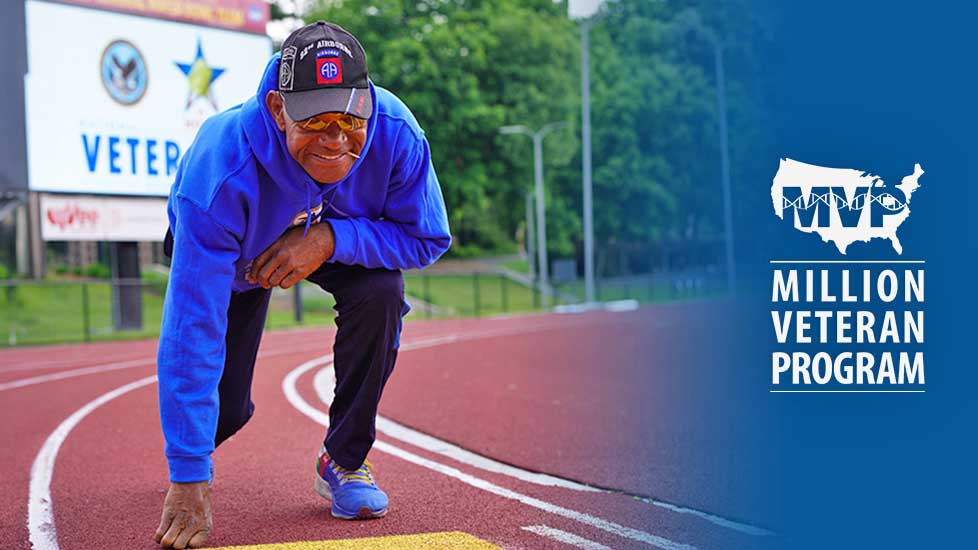
VA’s largest research program is making discoveries to help improve health care for Black Veterans.
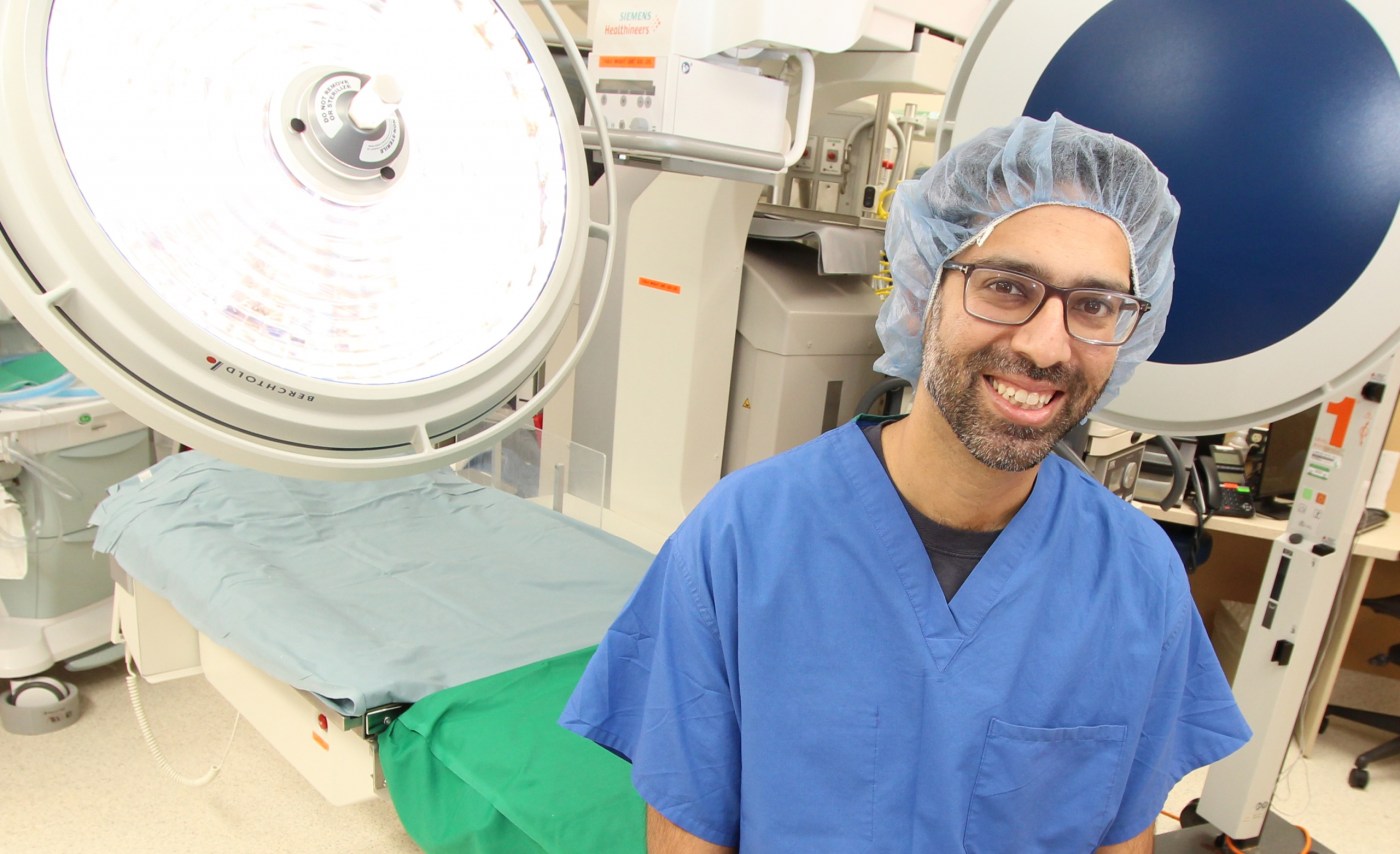
While active surveillance sounds like a logical approach for men with low-risk prostate cancer, especially given that prostate removal and radiotherapy can lead to urinary, bowel, and sexual dysfunction, convincing patients to buy into it can be a challenge all its own.
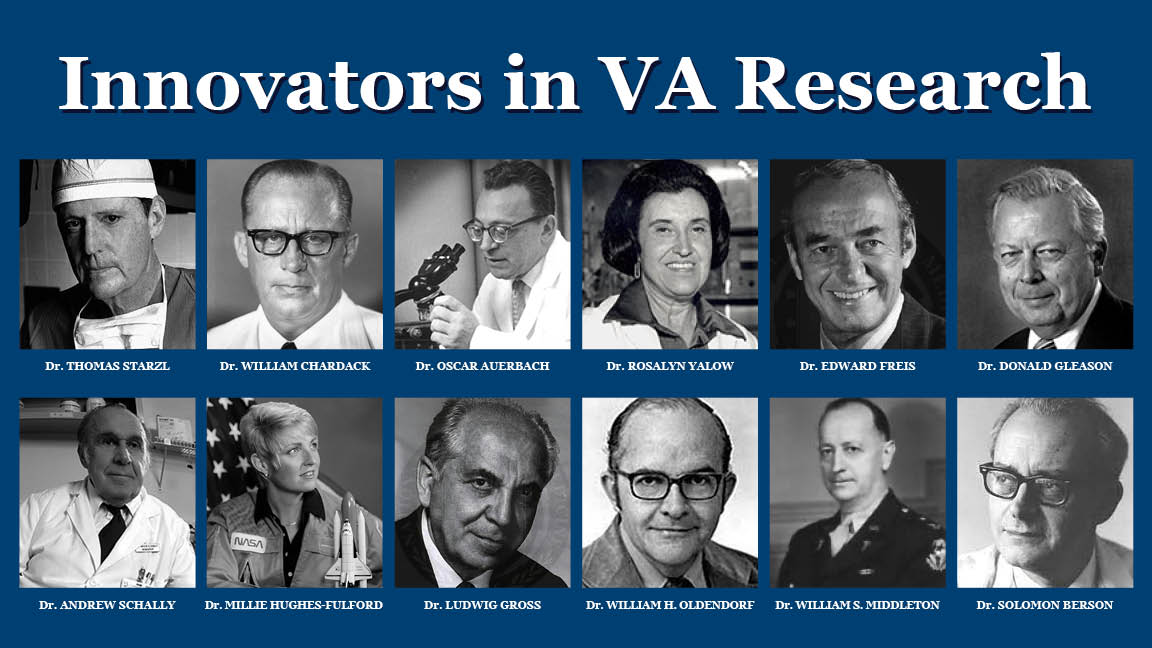
Throughout its history of more than 75 years, VA has funded critical research that has led to many medical advancements instrumental to the agency’s primary goal: to honor America’s Veterans by providing exceptional health care that improves their health and well-being.
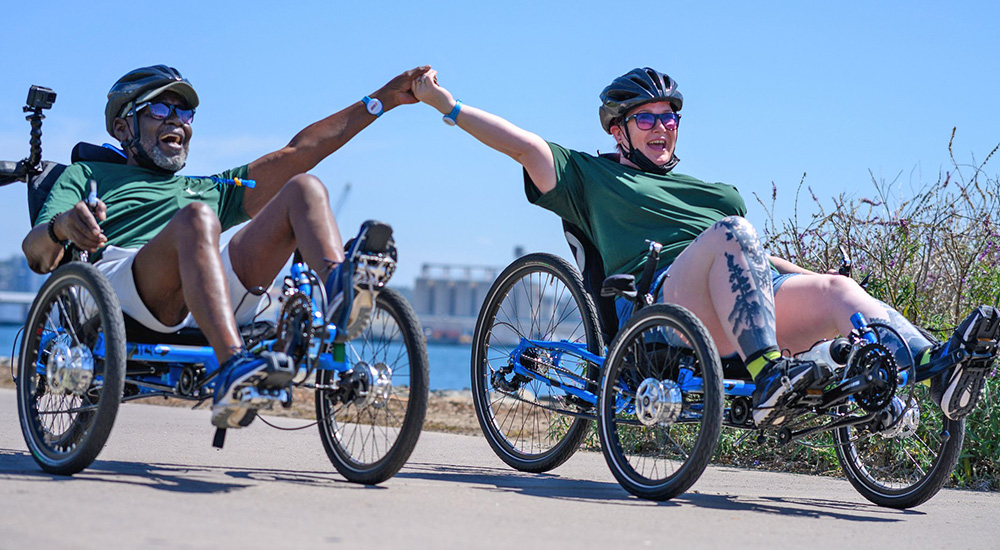
Army Veteran “Doc” Jackson spent his career as a medic saving lives. He rediscovered his passion at the 2022 National Veterans Summer Sports Clinic.
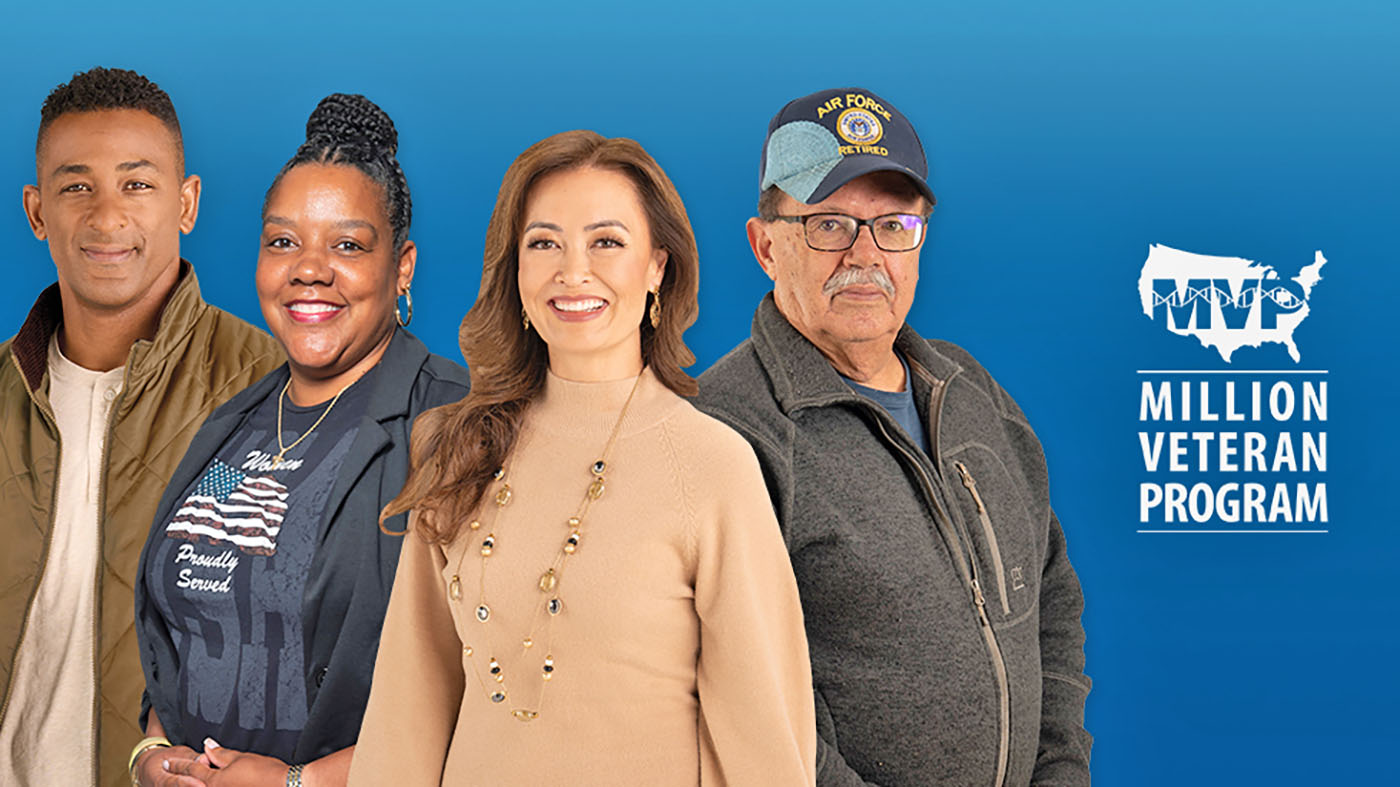
VA’s largest research program, the Million Veteran Program, is making discoveries through diverse representation


Official websites use .gov
A .gov website belongs to an official government organization in the United States.

Secure .gov websites use HTTPS
A lock (
) or https:// means you’ve safely connected to the .gov website. Share sensitive information only on official, secure websites.

We’re here anytime, day or night - 24/7
If you are a Veteran in crisis or concerned about one, connect with our caring, qualified responders for confidential help. Many of them are Veterans themselves.
Get more resources at VeteransCrisisLine.net.