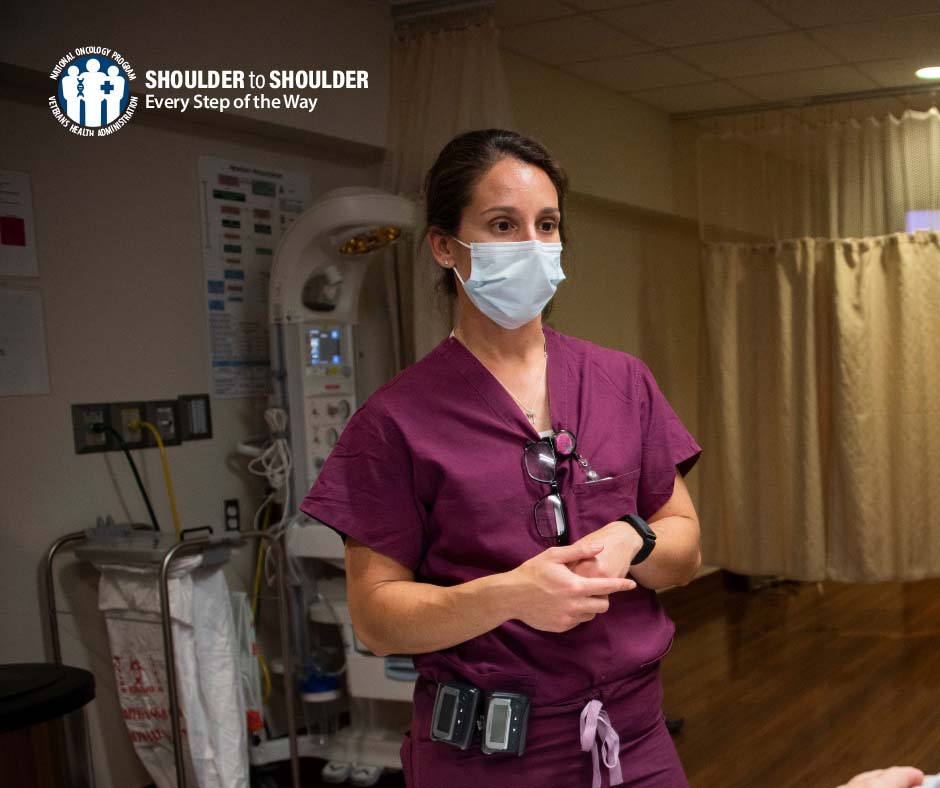
Many Veterans have unique cancer exposure risks like Agent Orange. VA's cancer prevention programs can help.
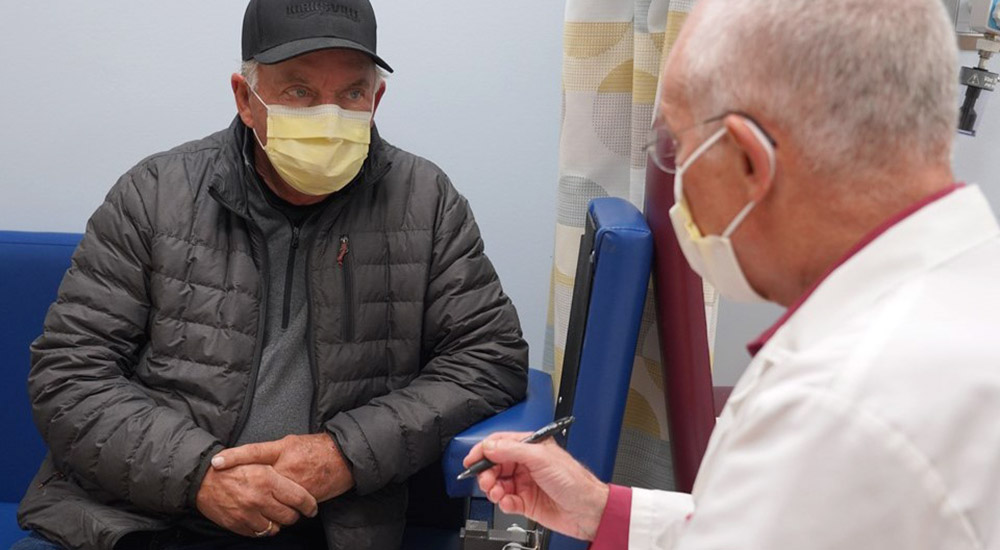
Air Force Veteran participating in phase 3 clinical trial at Harry S Truman VA aimed at improving the ability to stage prostate cancer.

Rural Veteran patients can access TeleOncology for cancer treatment two different ways through the Veterans Health Administration.

The VA National Oncology Program is expanding TeleOncology access to Veterans across the nation with the National TeleOncology Program.
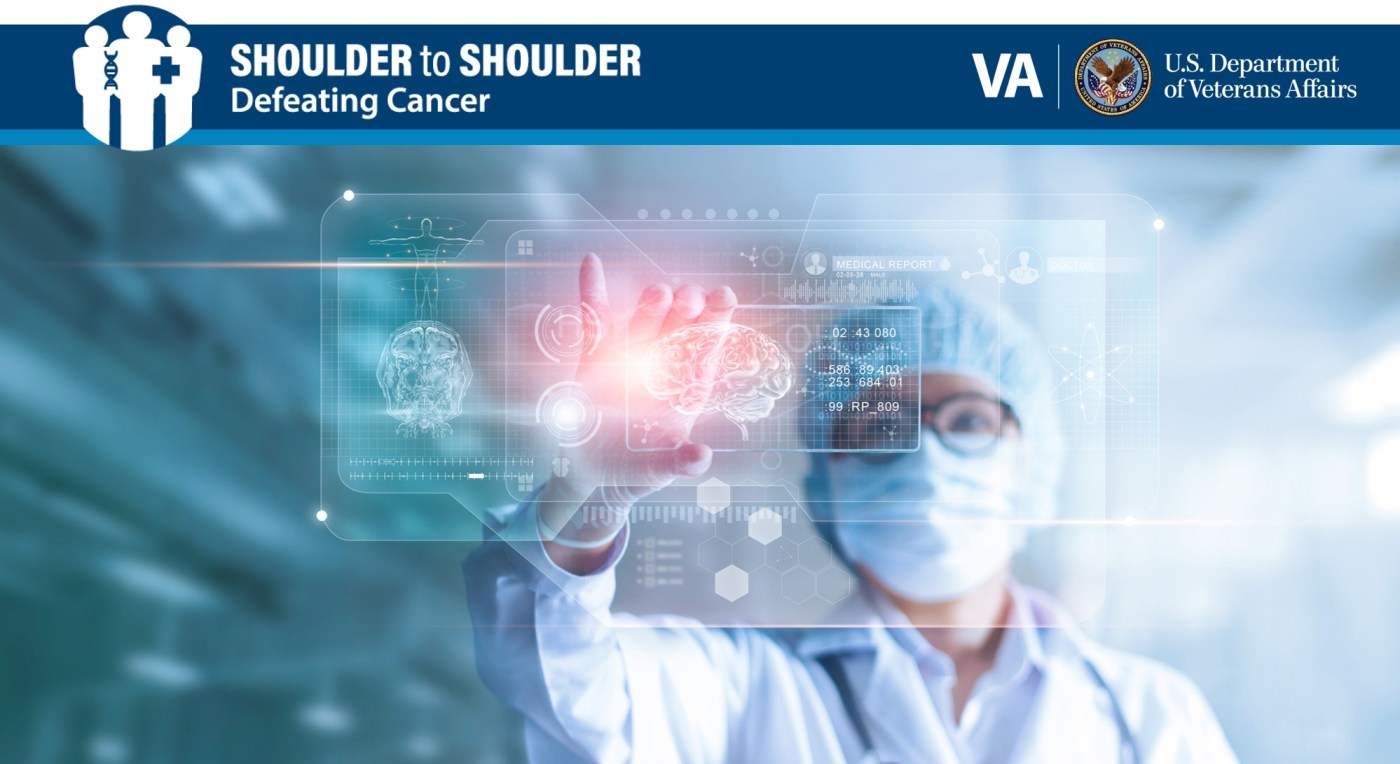
The National Oncology Program's NPOP is guided by evidence-based best practices and substantiated by the latest innovative cancer research.
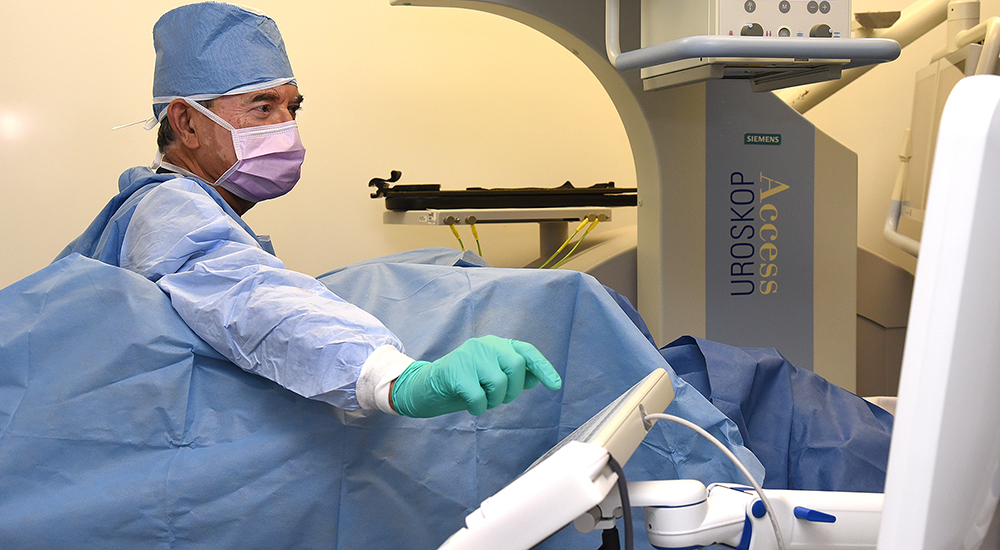
Benign prostatic hyperplasia (BPH), or enlarged prostate, is common in men over 60. Aquablation, a new treatment offered at Salisbury VA, offers relief with less risk of unwelcome side effects

For two Army Vietnam Veterans fighting cancer, living at the Houston VA Fisher House has taken the worry out of everyday living and getting better.
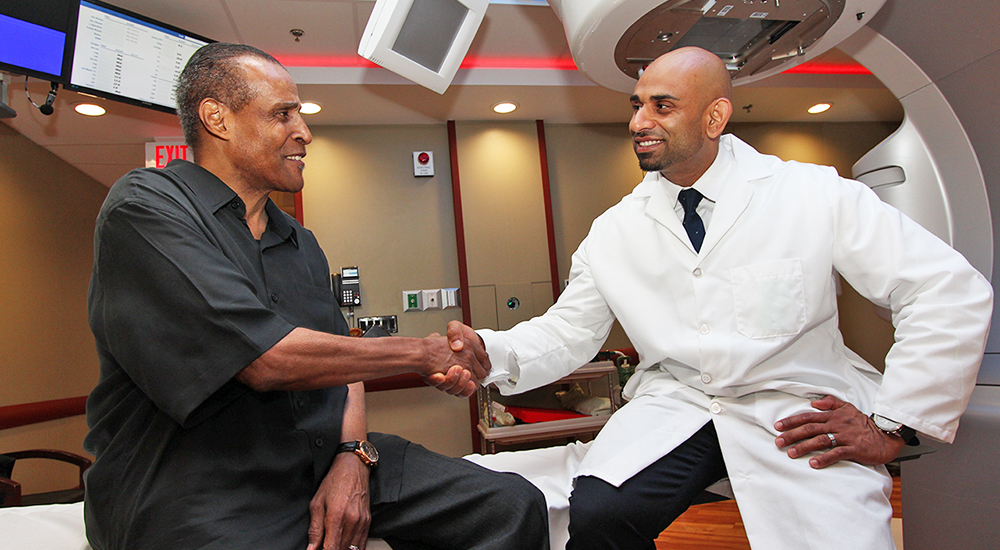
APOLLO is a complex acronym for a data collection project with an important goal: individualized cancer treatment. VA is working with federal partners in largely unprecedented cancer research.
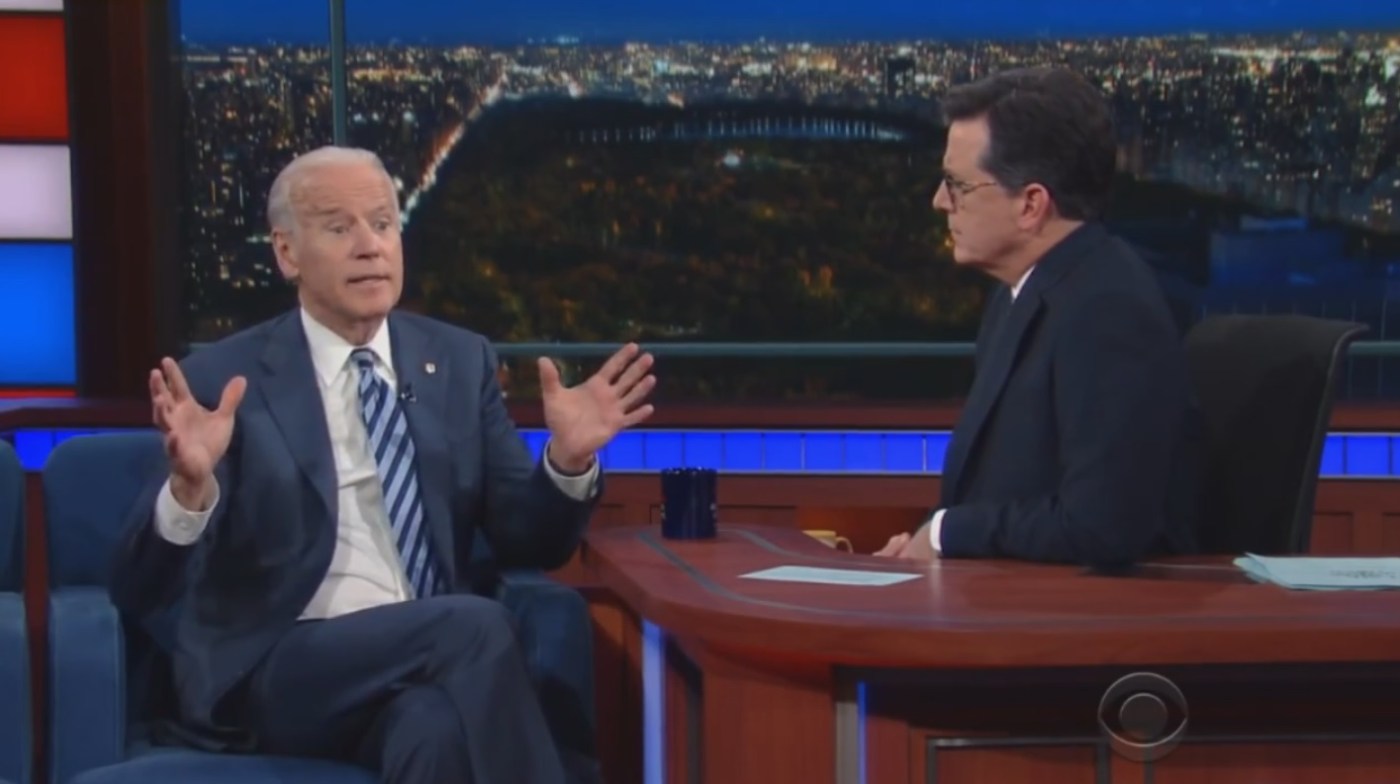
During a visit to the late night talk show, Vice President Joe Biden highlighted the strategic partnerships efforts by the VA, the largest hospital system in the world, to work with private entities to expand the knowledge base around cancer.

VA has a long history in cancer prevention and research, including ongoing collaborations with other public agencies, and profit and non-profit corporations to enhance cancer research, including studies that support the national Precision Medicine Initiative.
Part of the wider national Cancer Moonshot initiative, APOLLO will initially focus on lung cancer in patients at VA and DoD medical centers, with plans to eventually include other forms of cancer.

VA has embarked on a landmark study to understand which test is best for colorectal cancer screening.


Official websites use .gov
A .gov website belongs to an official government organization in the United States.

Secure .gov websites use HTTPS
A lock (
) or https:// means you’ve safely connected to the .gov website. Share sensitive information only on official, secure websites.
We’re here anytime, day or night - 24/7
If you are a Veteran in crisis or concerned about one, connect with our caring, qualified responders for confidential help. Many of them are Veterans themselves.
Get more resources at VeteransCrisisLine.net.

VA News
An official website of the U.S. Department of Veterans Affairs
- VA.gov
- ChooseVA
- DiscoverVA
- DigitalVA
- VA Outreach Events
- VA Forms
- VA Publications
- About VA
- VA mobile apps
- Accessibility at VA
- No FEAR Act data
- Whistleblower Protection
- Office of the Inspector General
- VA plans, budget, finances, and performance
- Agency Financial Report
- Privacy policy
- FOIA requests
- Disclaimers
- Open data
- Vulnerability disclosure policy
- Copyright policy
Looking for U.S. government information and services? Visit USA.gov