VA and the United States Postal Inspection Service continue their partnership to help protect Veterans personal information and avoid scams.

During the coronavirus pandemic, Americans have turned to accessing critical health care and financial services online and on their mobile devices. VA’s Office of Information and Technology (OIT) has security tools to protect Veterans’ personal information online.
Veterans are twice as likely to lose money to fraud because of identity theft, phishing, impostor scams, and investment, loan, or donation deceptions.

The Postal Inspection Service and AARP are warning all Americans who have served in the military to look out for Veteran-tailored scams
VA’s “More Than a Number” identity protection program provides information to educate Veterans and their beneficiaries on how to protect themselves from identity theft.
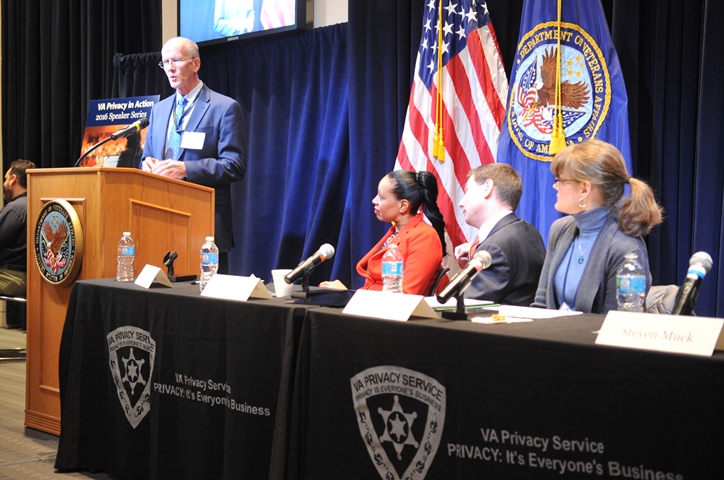
The mission of VA Privacy Service is to preserve and protect the Personally Identifiable Information (PII) of Veterans, their beneficiaries, and VA employees by promoting a culture of privacy awareness and maintaining the trust. The Privacy Service oversees and directs the development of VA’s privacy programs based on the Privacy Act of 1974 and makes recommendations to senior officials on privacy priorities. As the impact of privacy issues increase, VA’s Privacy Service implements strategies to meet those needs to ensure compliance with Federal and VA-specific privacy requirements.
As tax-filing season begins, Veterans should be aware of people contacting them who claim to be from the Internal Revenue Service and the Treasury.

VA is doing many things to prevent identity theft for Veterans, from mandatory training for all employees and contractors in cybersecurity awareness and privacy to eliminating the use of Social Security numbers in its business processes.

Last week, the story of an Airman who was targeted by an online job scammer was shared widely within our community. This story included a false claim that the Veterans Employment CenterTM (VEC) website was breached. I want to make it clear that there was no breach of information on the VEC site. The VEC puts the safety and security of Servicemembers, Veterans, and their families first by storing only general profile information, such as email addresses. The VEC does not store resumes, addresses, phone numbers, dates of separation, or any personally identifiable information (PII). VA reports all suspicious activity, suspected corporate fraud, or phishing activities immediately to the Federal Bureau of Investigation (FBI) and we immediately referred this case to them once we discovered a Veteran had been targeted by an online job scammer.
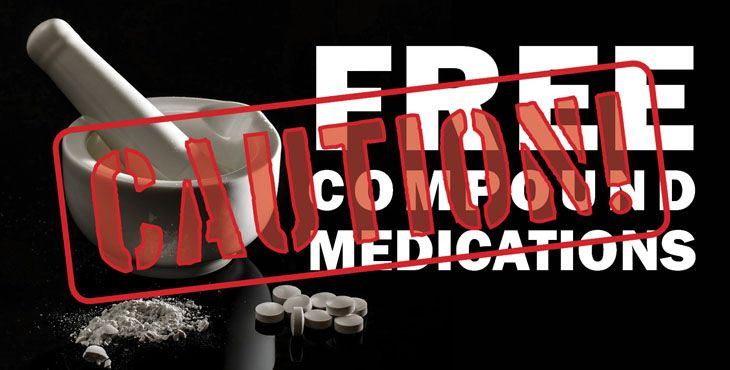
VA has received multiple complaints from Veterans, beneficiaries and providers regarding unsolicited medical prescriptions from compounding pharmacies associated with VA Purchased Care Programs.

VA holds personally identifiable information (PII) and protected health information (PHI) for nearly 9 million Veterans, and we take that very seriously. We know that this sensitive information holds the key to the livelihood and well-being for those that have given so much to this country. Information security and privacy are top priorities for VA, and our employees treat protecting Veteran information as both a professional and personal concern.


Official websites use .gov
A .gov website belongs to an official government organization in the United States.

Secure .gov websites use HTTPS
A lock (
) or https:// means you’ve safely connected to the .gov website. Share sensitive information only on official, secure websites.
We’re here anytime, day or night - 24/7
If you are a Veteran in crisis or concerned about one, connect with our caring, qualified responders for confidential help. Many of them are Veterans themselves.
Get more resources at VeteransCrisisLine.net.

VA News
An official website of the U.S. Department of Veterans Affairs
- VA.gov
- ChooseVA
- DiscoverVA
- DigitalVA
- VA Outreach Events
- VA Forms
- VA Publications
- About VA
- VA mobile apps
- Accessibility at VA
- No FEAR Act data
- Whistleblower Protection
- Office of the Inspector General
- VA plans, budget, finances, and performance
- Agency Financial Report
- Privacy policy
- FOIA requests
- Disclaimers
- Open data
- Vulnerability disclosure policy
- Copyright policy
Looking for U.S. government information and services? Visit USA.gov