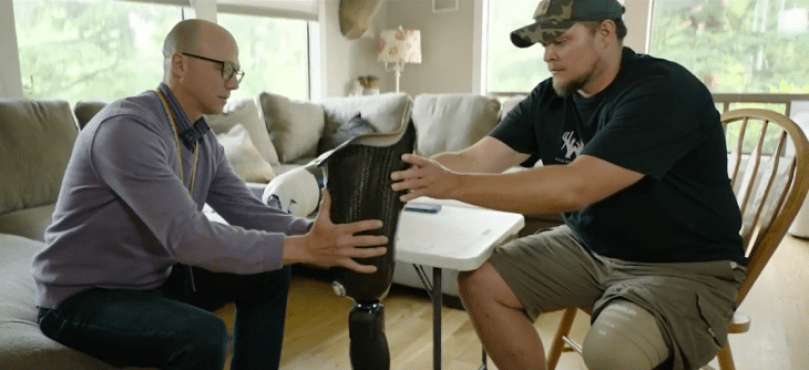
Matthew lost part of his left leg while serving in Iraq. VA Puget Sound developed a program to help patients, like Matthew, who have travel challenges and need prosthetic care.
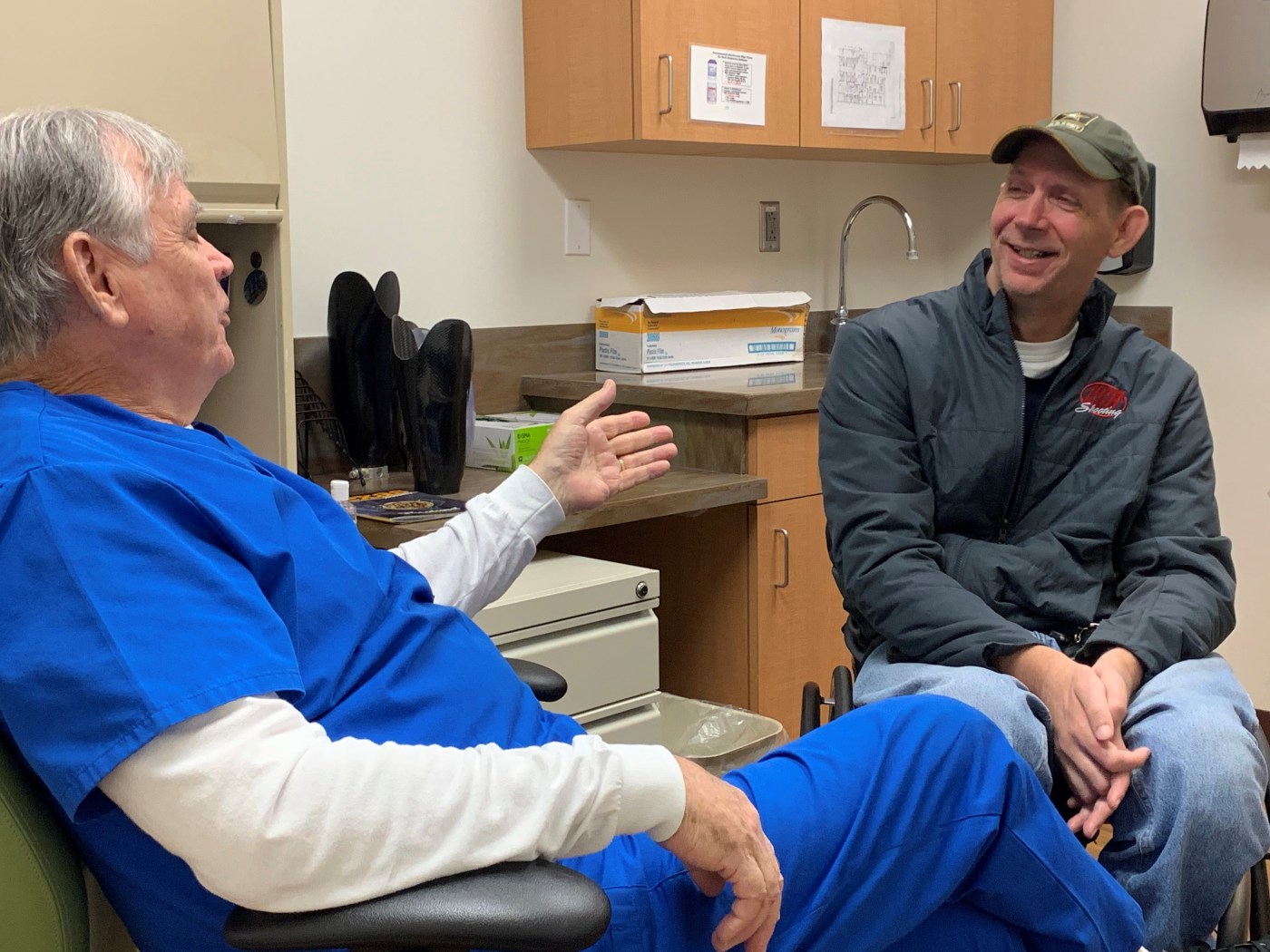
With the help of the Prosthetics Service and 3d printing at the San Antonio VA, Army Veteran David Cromwell has cultivated a passion for sharpshooting.
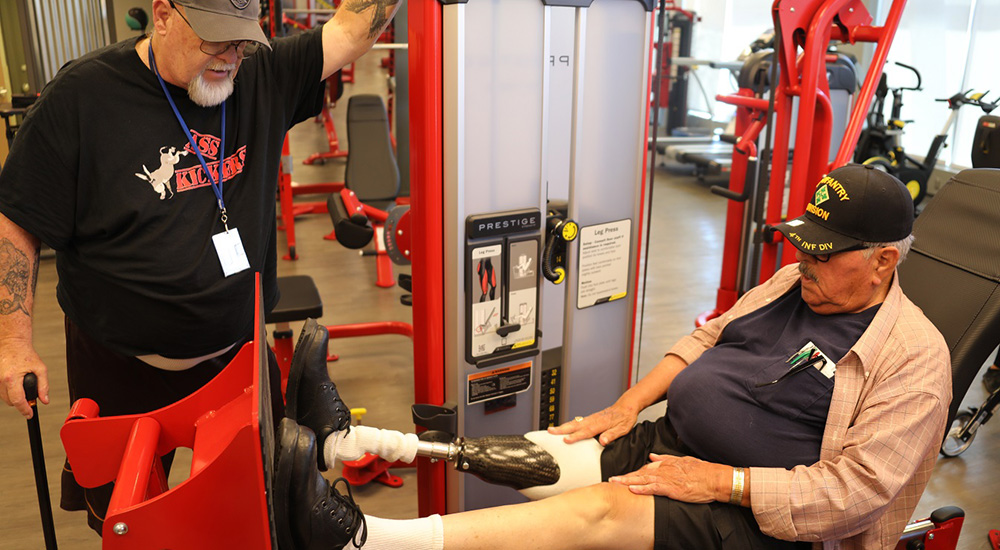
An amputee exercise and support group meets every Friday at VA Southern Nevada Healthcare System. Since 2017, it has grown from two to 25 members, whose physical and mental health has improved.
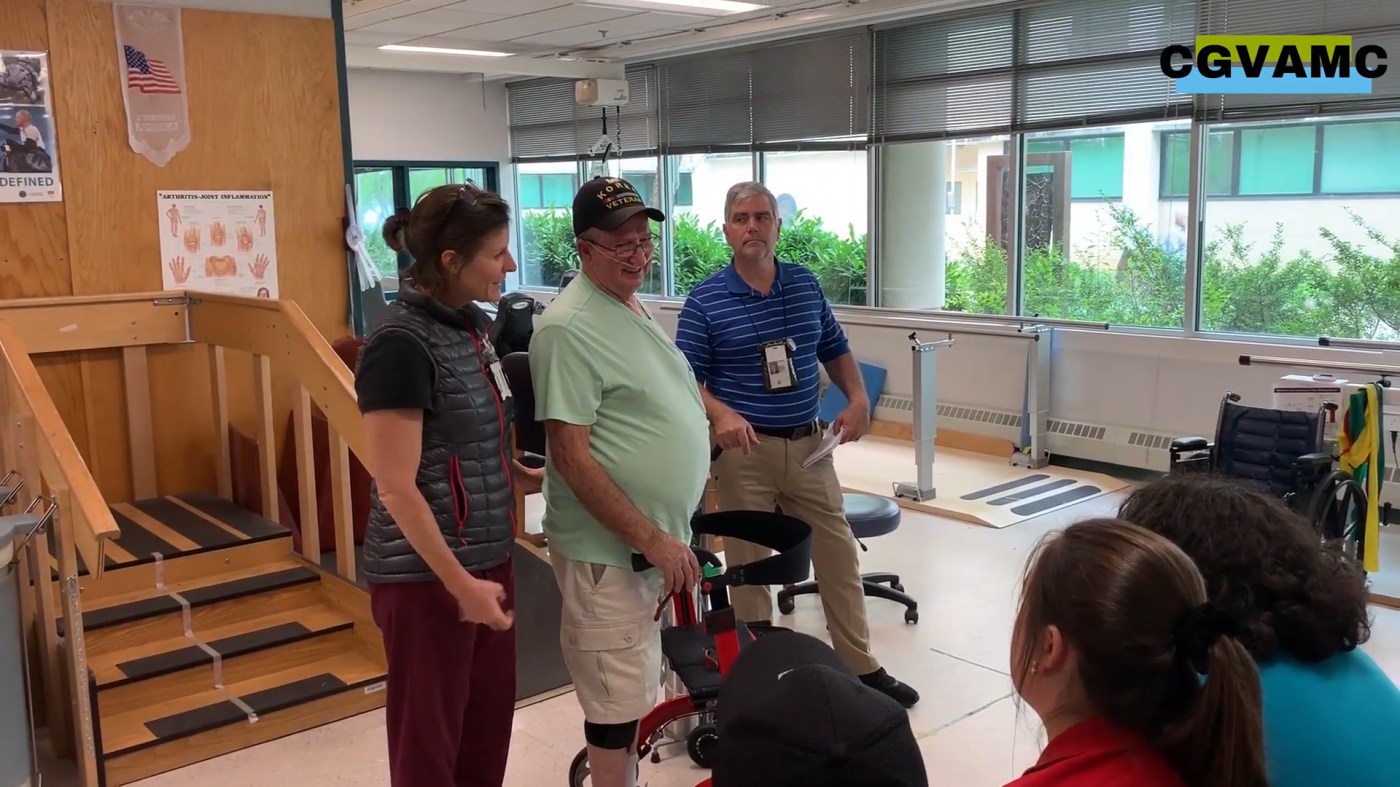
The Charles George VA Medical Center is employing a life-changing prosthetic device that helps Veterans regain the ability to walk.
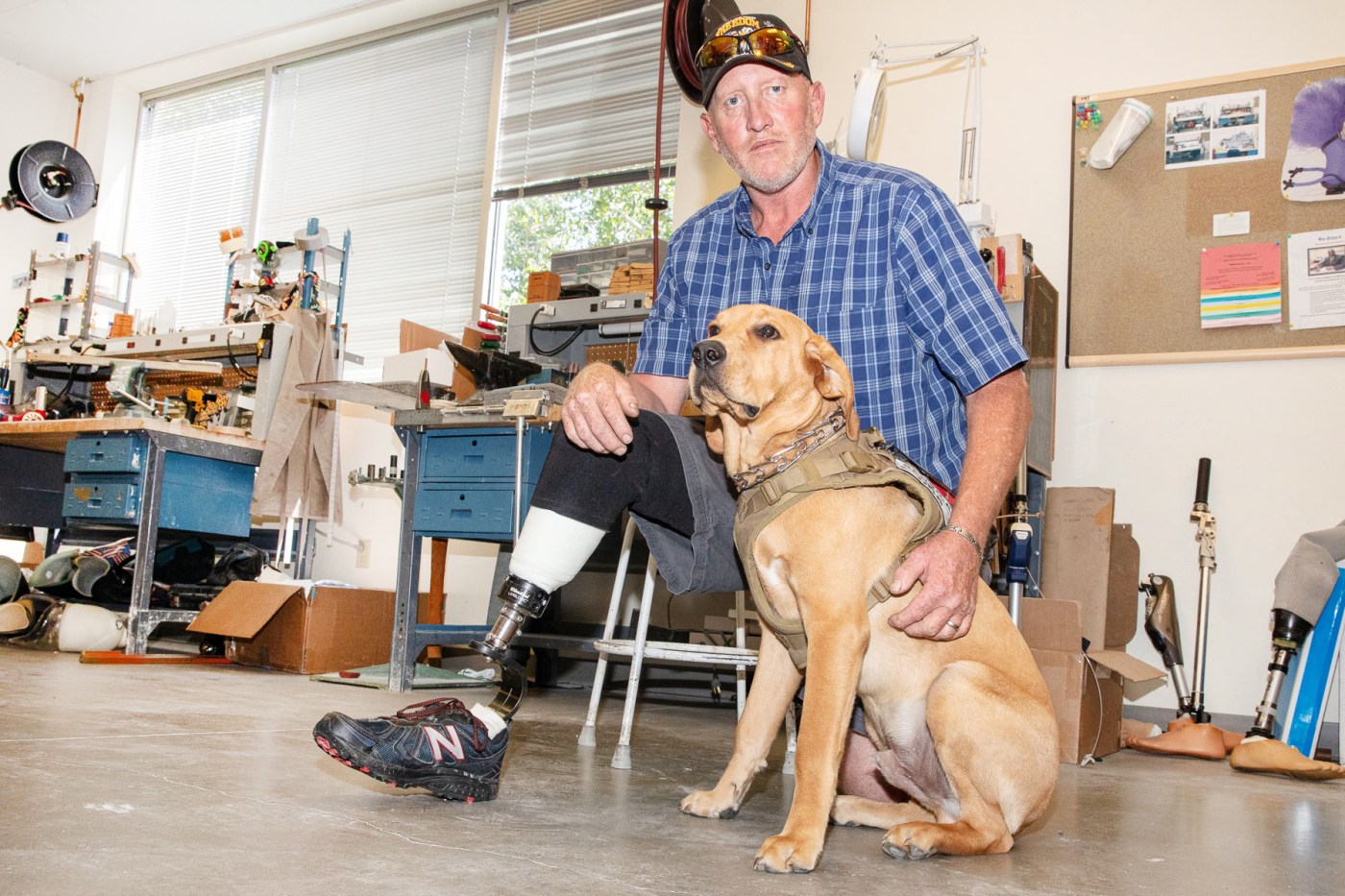
Army Veteran Karl Milner used the MOVE! Program to help shed 200 pounds and become more active, receiving a new prosthetic every 3-4 months.
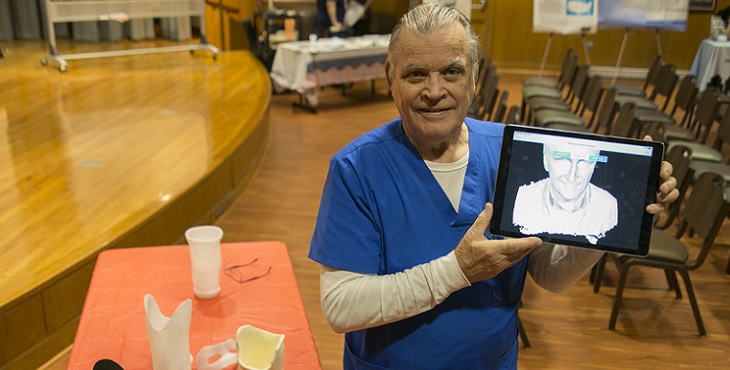
South Texas VA’s senior prosthetist, Gordon Bosker presented 3-D printing technologies as part of South Texas’ Research Week celebration.
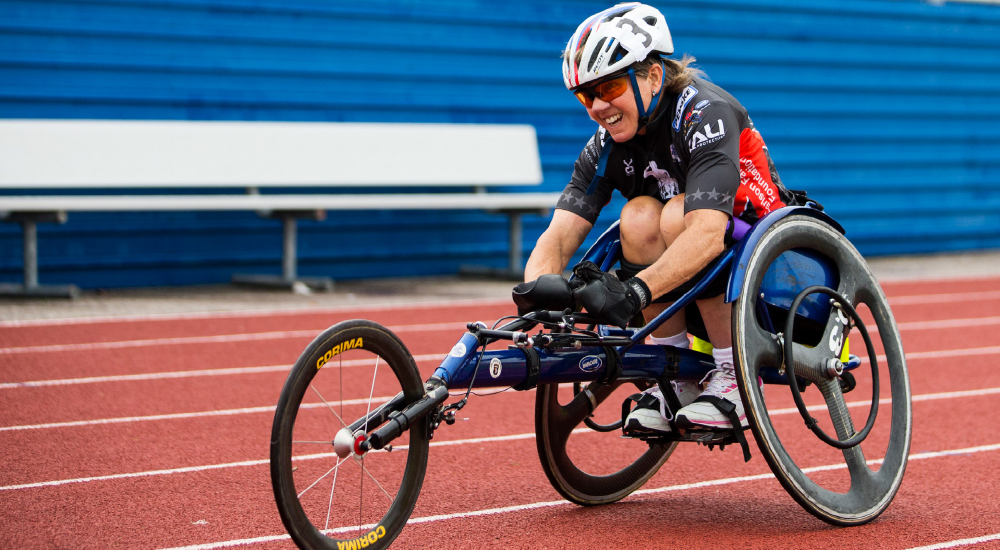
Prosthetics for women Veterans include customized orthotics and artificial limbs and post-mastectomy items. Also, mobility aids such as walkers and wheelchairs. And hearing aids and eyeglasses.
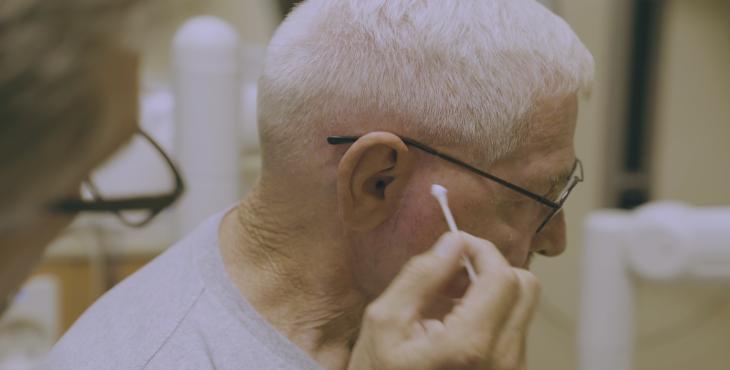
Navy Veteran Robert Chesser received a new prosthetic ear, created for him by prosthetist David Trainer, to replace the ear he lost to cancer.
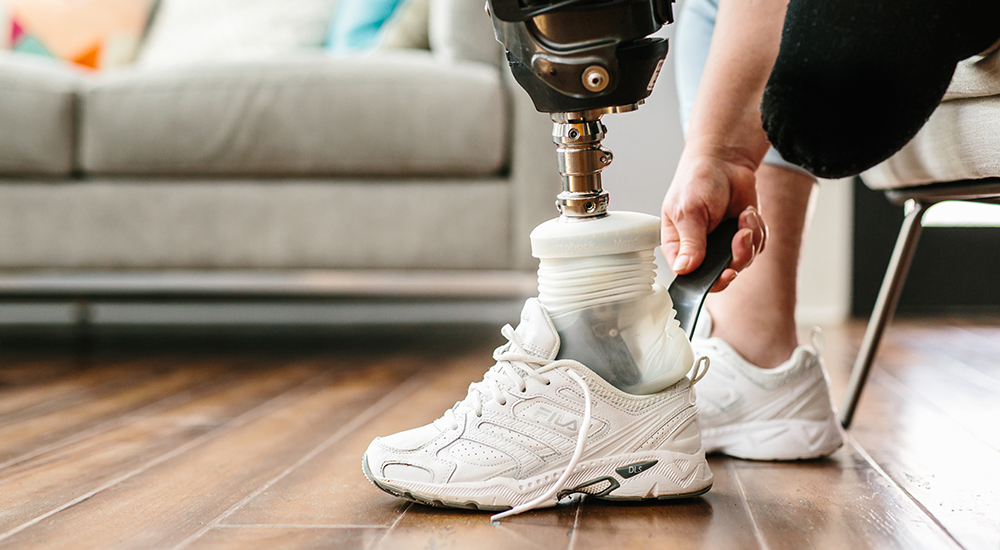
Veteran Mac McEnery is walking with new prosthetic feet and shares his enthusiasm for his new activities with everyone. VA staff attribute his success to his positive attitude.
This episode of The American Veteran includes a story about Charles Norman Shay, a Native American who landed on Omaha Beach in the first wave on D-Day as a combat medic
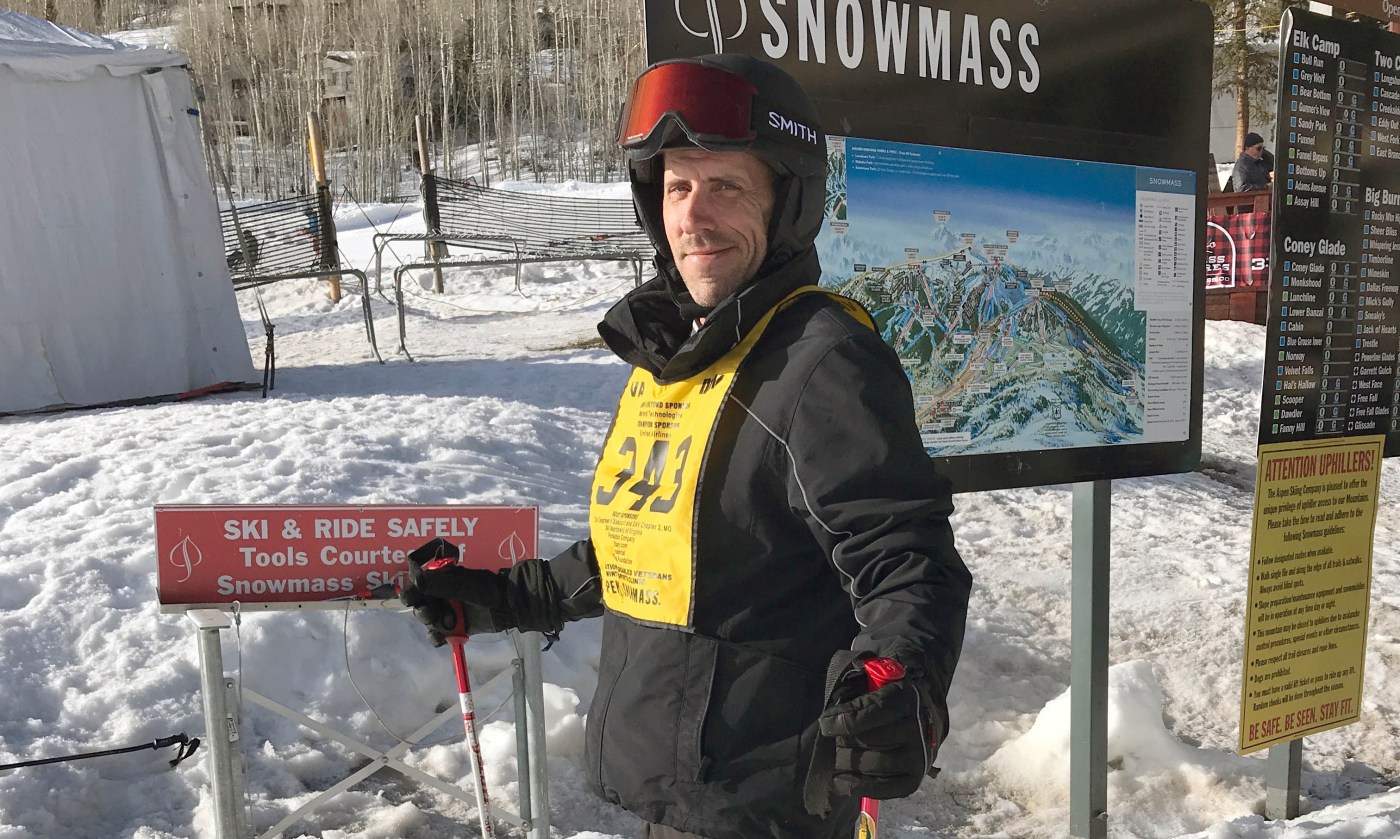
“We, as adaptive people, should step out of the shadows back into the light and show the world that we can still live exciting full lives."
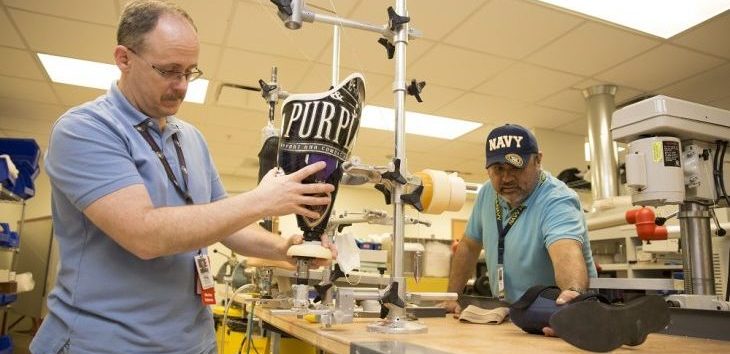
VA recently implemented a rapid response team to expand staffing, training and increase communication with Veterans in order to improve processes necessary for prosthetic items and services.


Official websites use .gov
A .gov website belongs to an official government organization in the United States.

Secure .gov websites use HTTPS
A lock (
) or https:// means you’ve safely connected to the .gov website. Share sensitive information only on official, secure websites.
We’re here anytime, day or night - 24/7
If you are a Veteran in crisis or concerned about one, connect with our caring, qualified responders for confidential help. Many of them are Veterans themselves.
Get more resources at VeteransCrisisLine.net.

VA News
An official website of the U.S. Department of Veterans Affairs
- VA.gov
- ChooseVA
- VA Forms
- VA Publications
- About VA
- VA mobile apps
- Accessibility at VA
- No FEAR Act data
- Whistleblower Protection
- Office of the Inspector General
- VA plans, budget, finances, and performance
- Agency Financial Report
- Privacy policy
- FOIA requests
- Disclaimers
- Open data
- Vulnerability disclosure policy
- Copyright policy
Looking for U.S. government information and services? Visit USA.gov