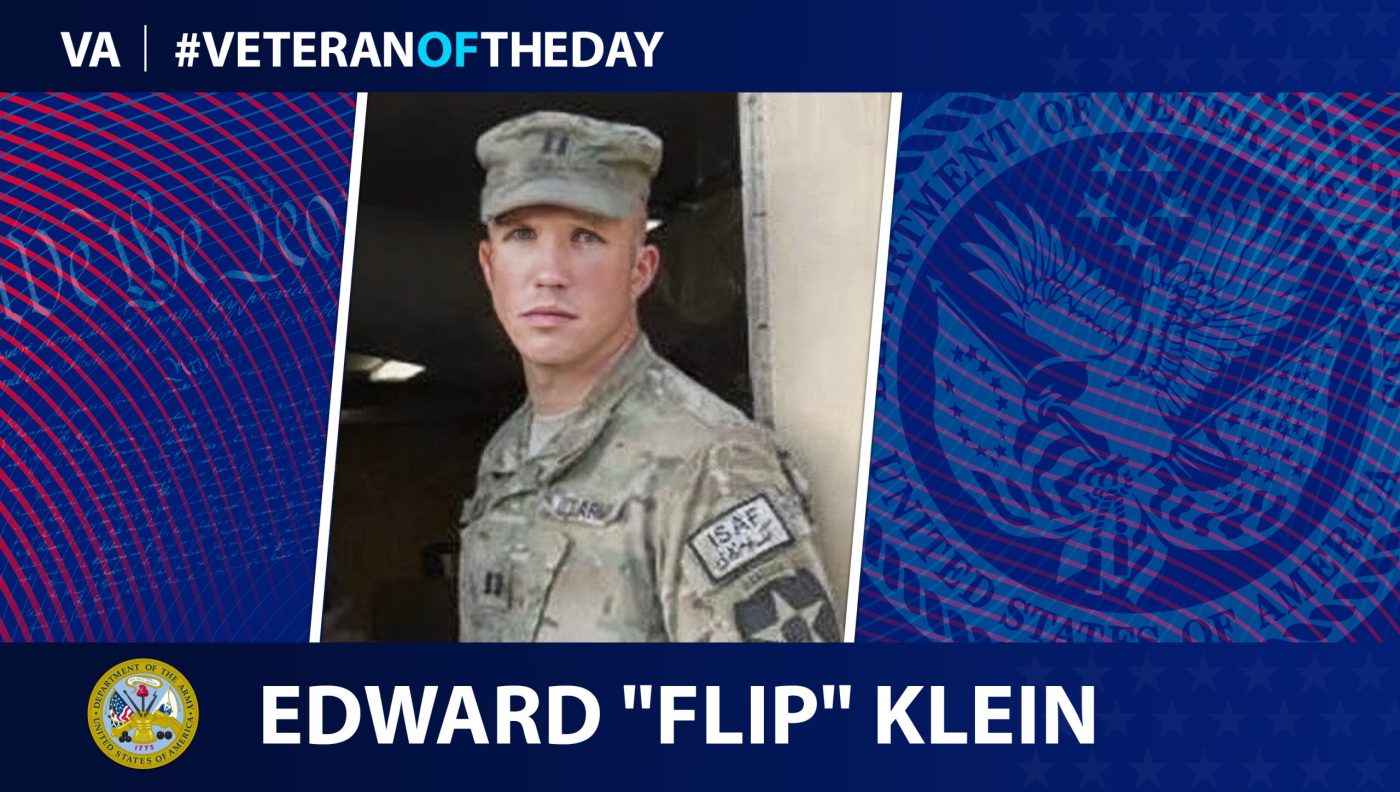
Today's #VeteranOfTheDay is Army Veteran Edward "Flip" Klein, who served in Afghanistan in 2012.
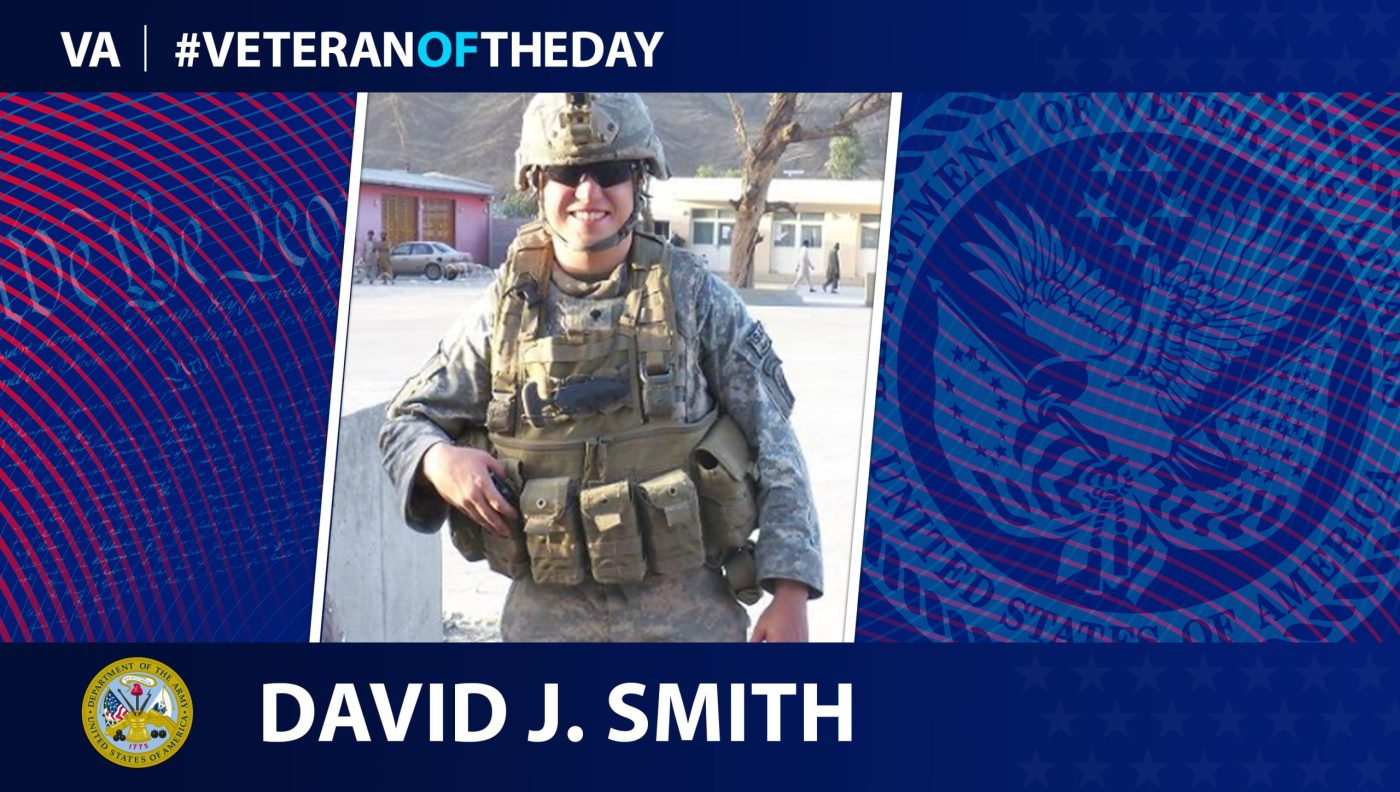
Today's #VeteranOfTheDay is Connecticut Army NG Veteran David Smith, who served in Afghanistan.
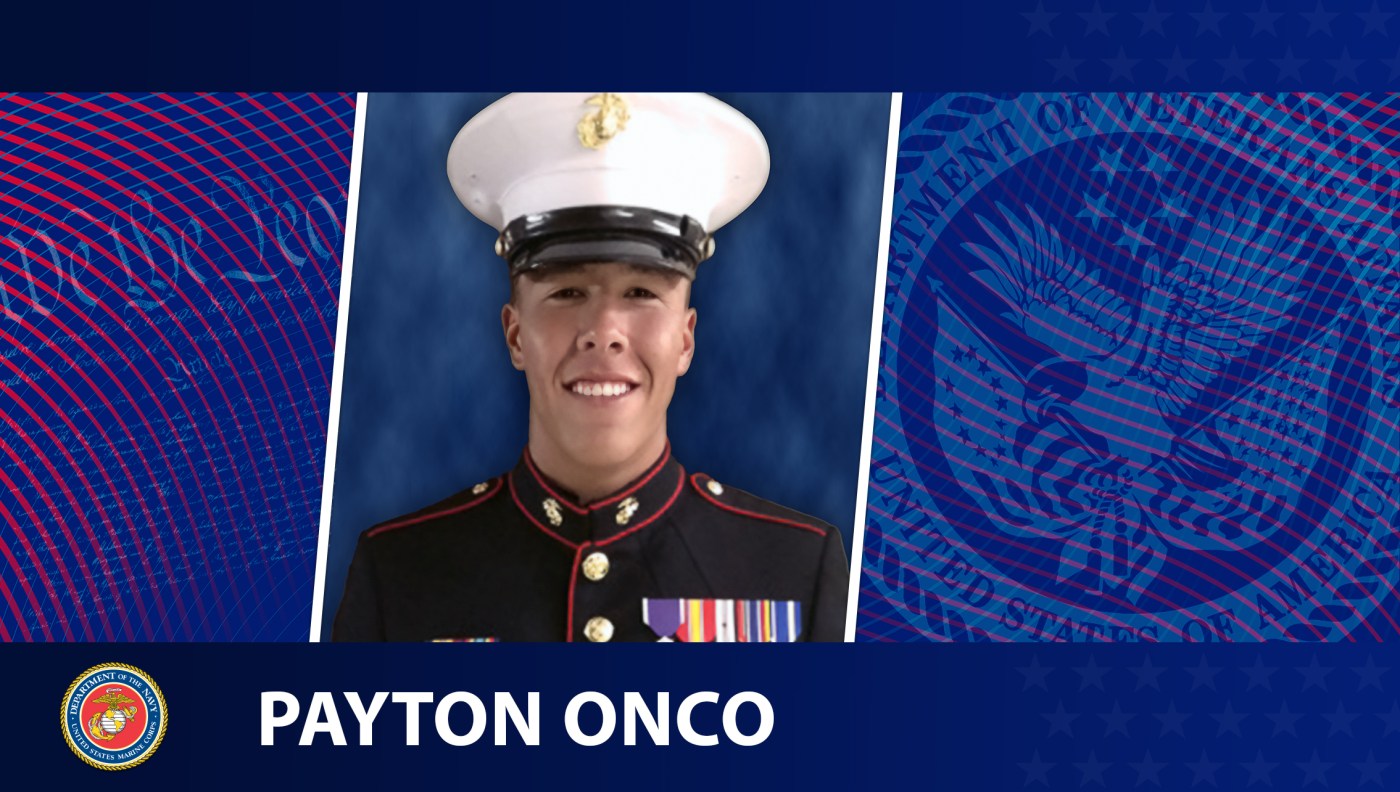
This week’s Honoring Veterans Spotlight honors the service of Marine Veteran Payton Onco, who served in Afghanistan in 2012.
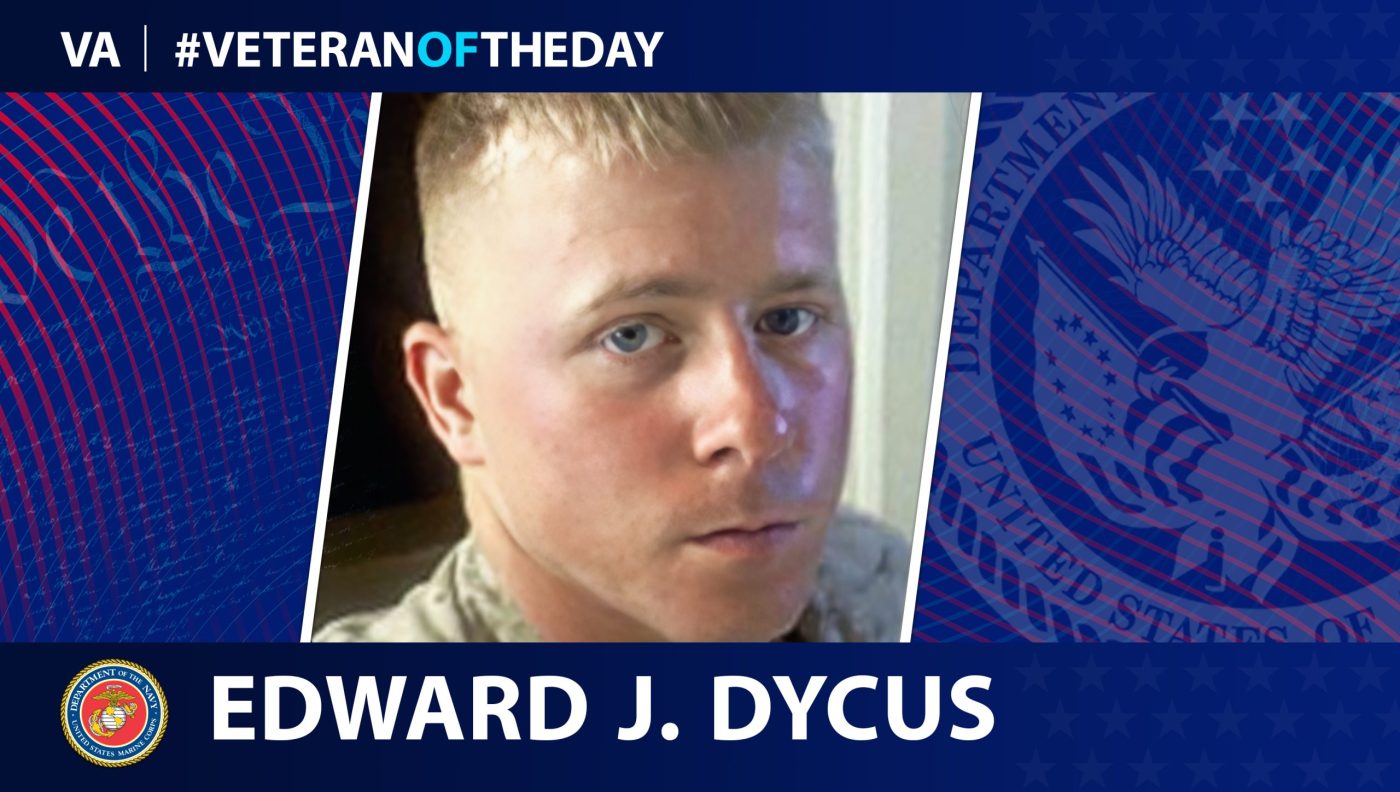
Today’s #VeteranOfTheDay is Marine Veteran Edward Dycus, who died in Afghanistan while on security.
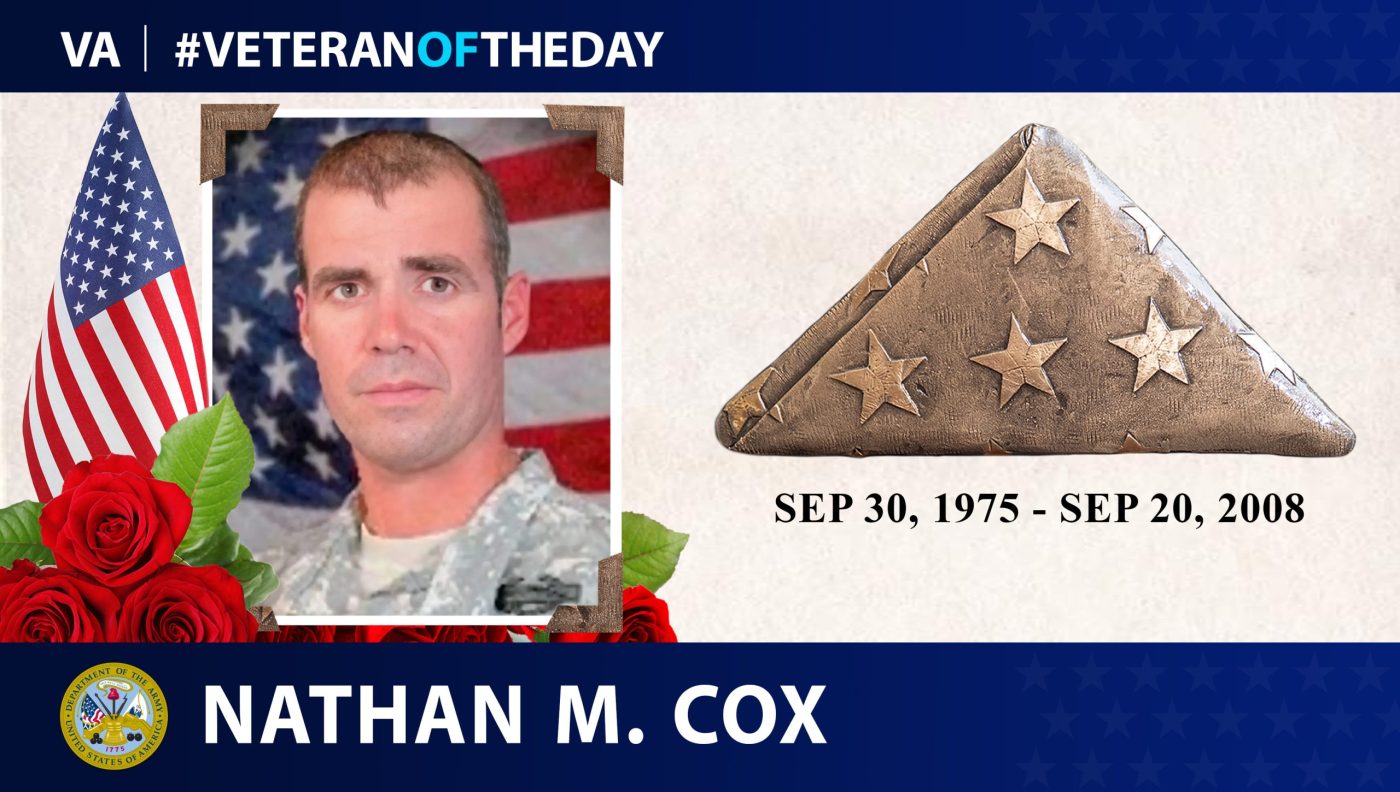
Today's #VeteranOfTheDay is Army Veteran Nathan Matthew Cox, who served in Bosnia, Iraq and Afghanistan.
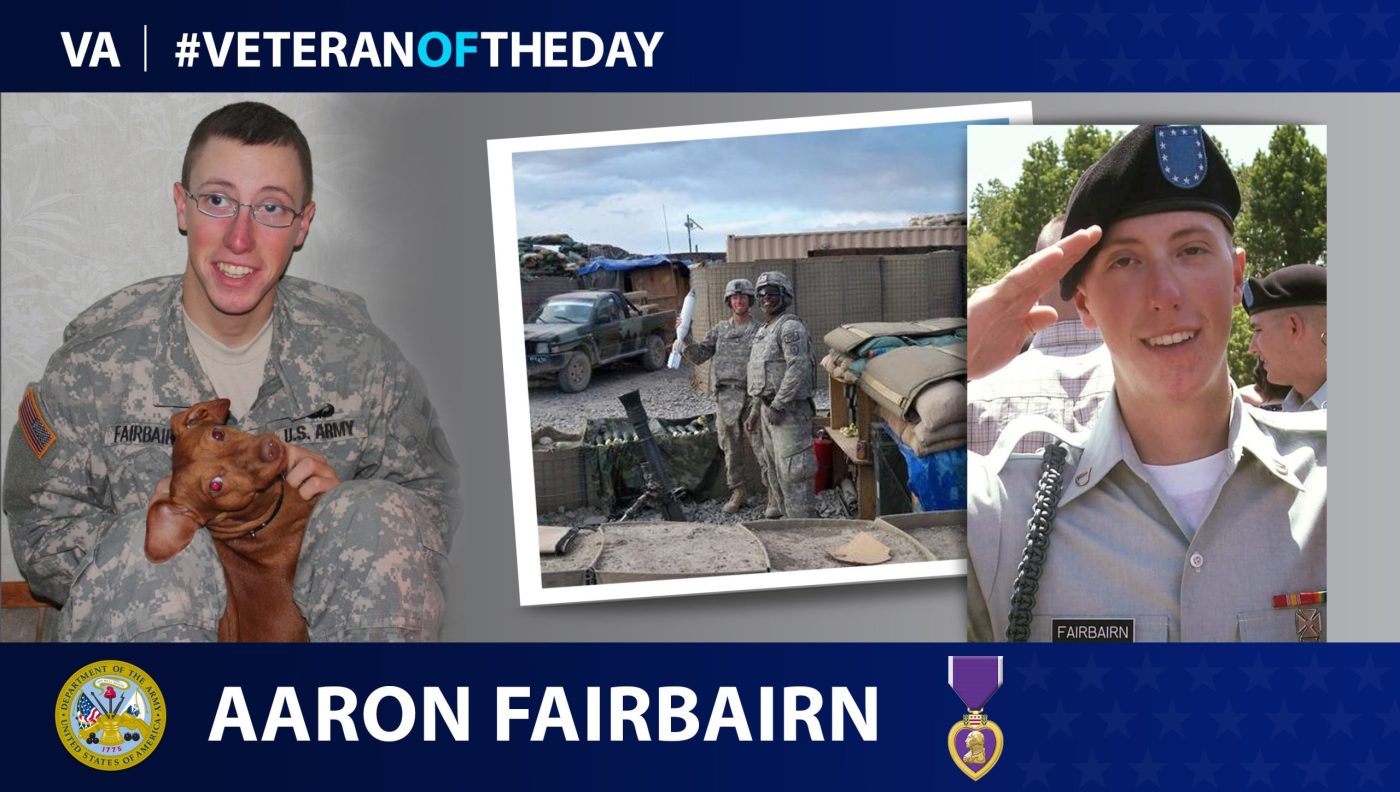
Today’s #VeteranOfTheDay is Army Veteran Aaron Fairbairn, who served in Afghanistan during Operation Enduring Freedom.
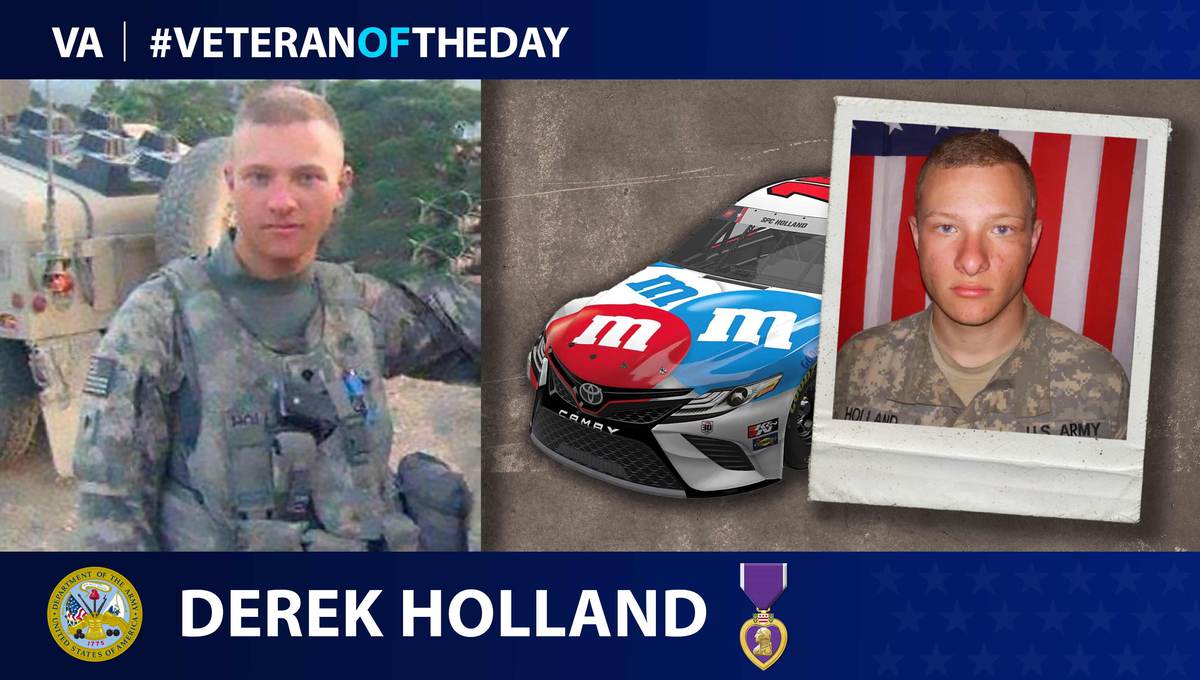
Today’s #VeteranOfTheDay is Army Veteran Derek Holland, who was killed while serving in Afghanistan.
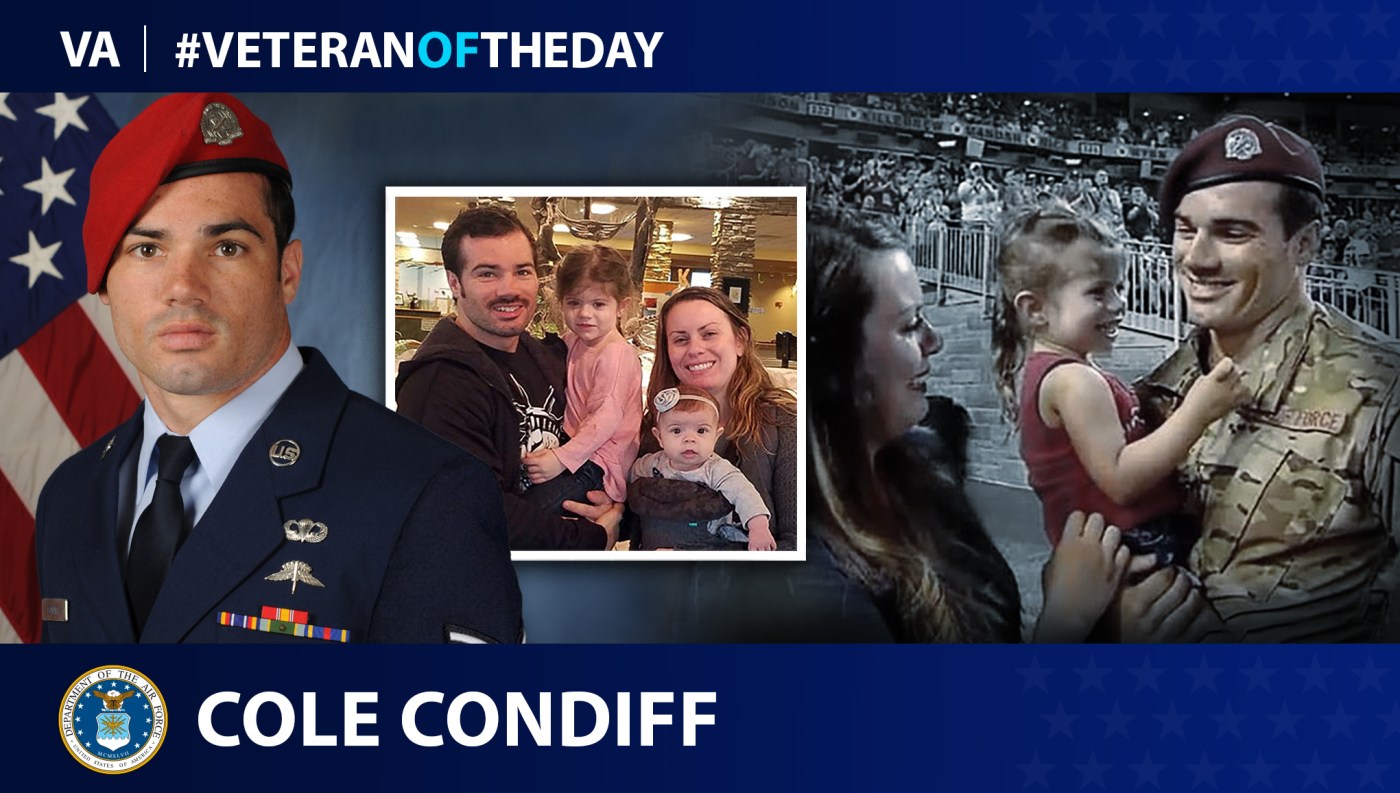
Today’s #VeteranOfTheDay is Air Force Veteran Cole Condiff, who served in Africa and Afghanistan.
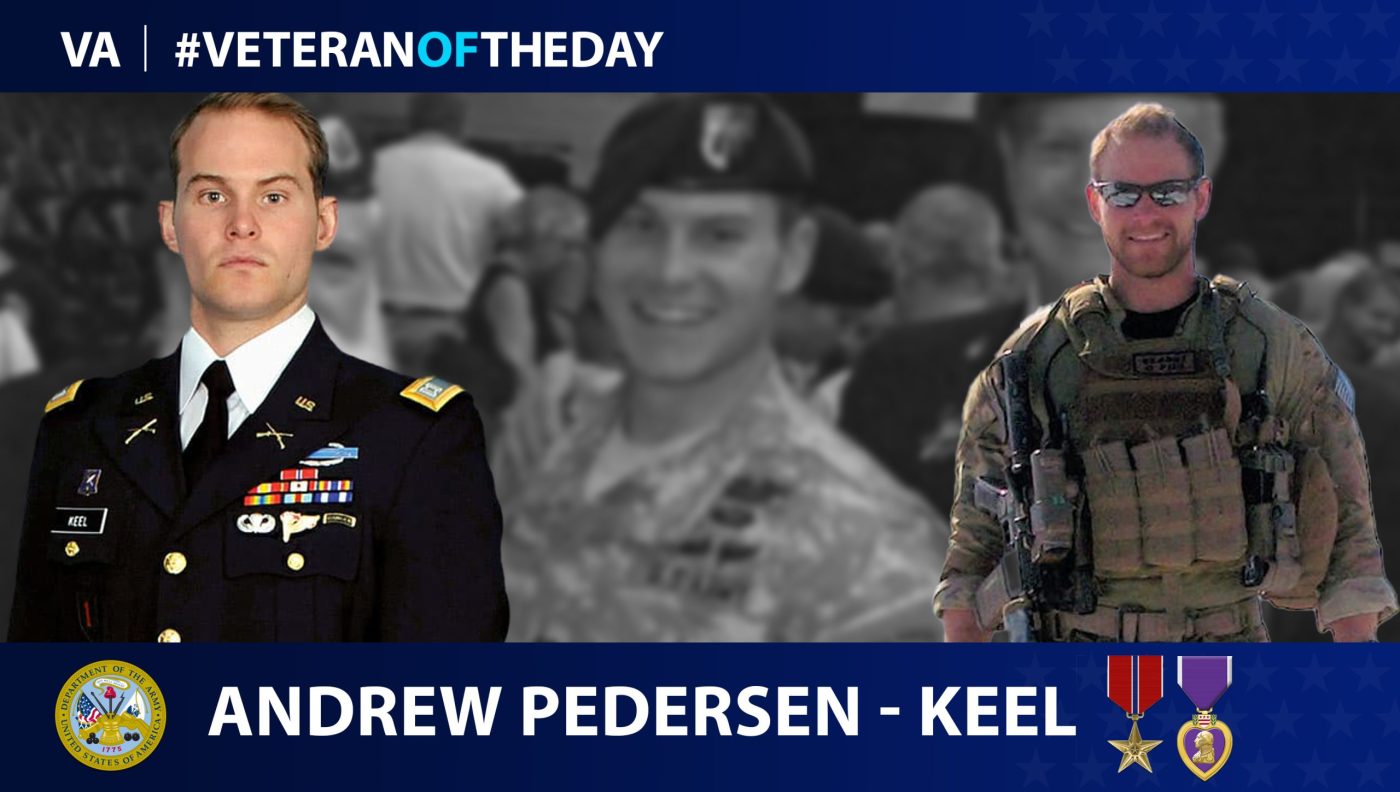
Today’s #VeteranOfTheDay is Army Veteran Andrew Pedersen-Keel, who was killed in March 2013 while serving in Afghanistan.
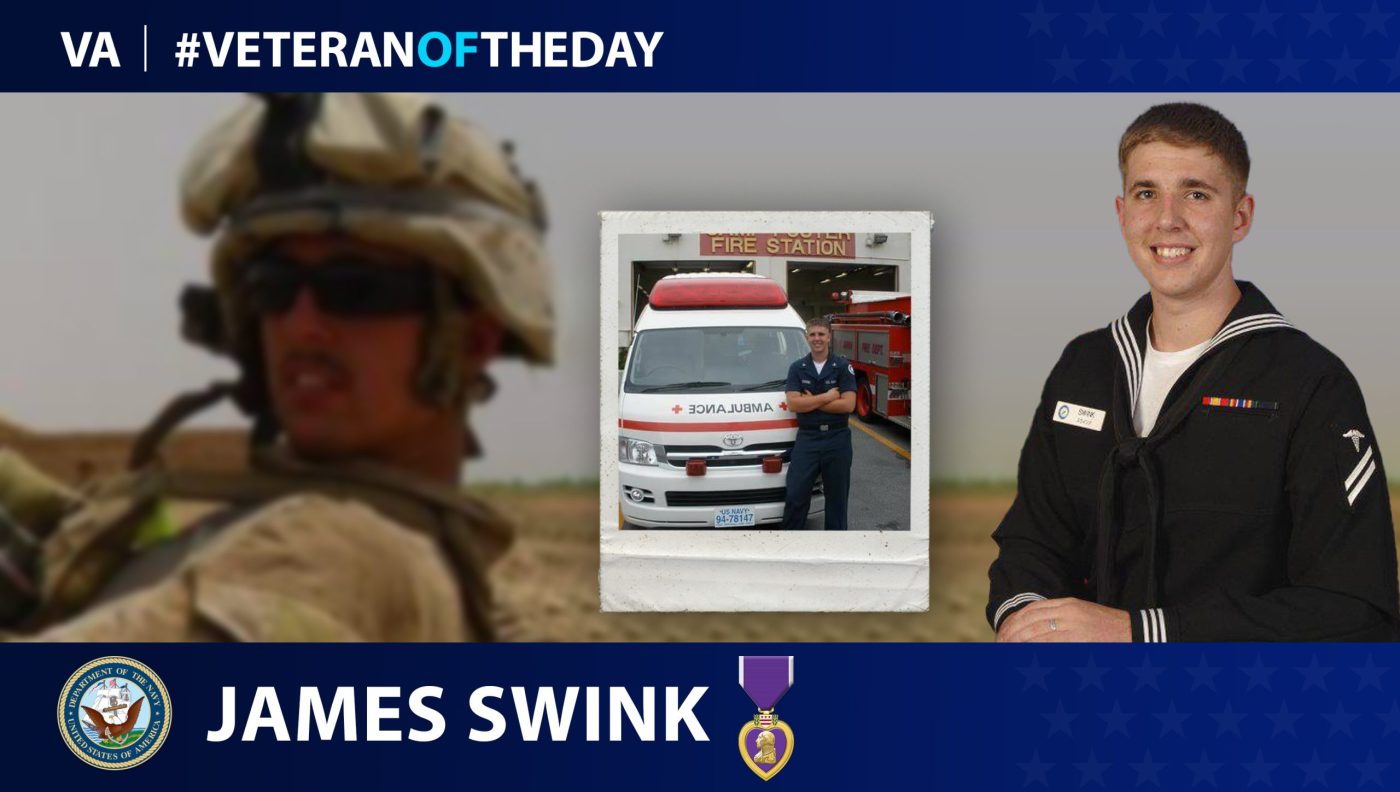
Today’s #VeteranOfTheDay is Navy Veteran James “Mike” Swink, who was killed in action while serving in Afghanistan.
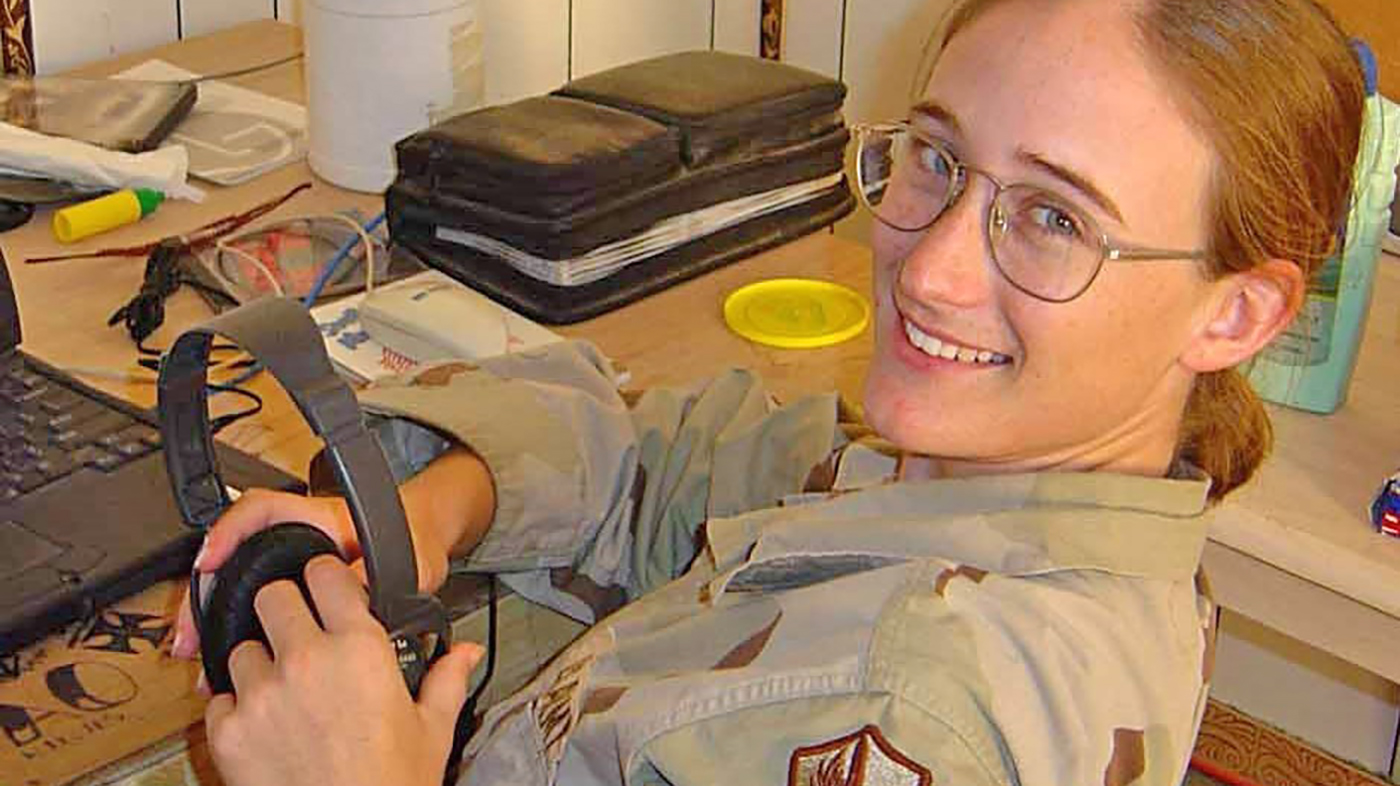
March is Women’s History Month, a time to celebrate and […]
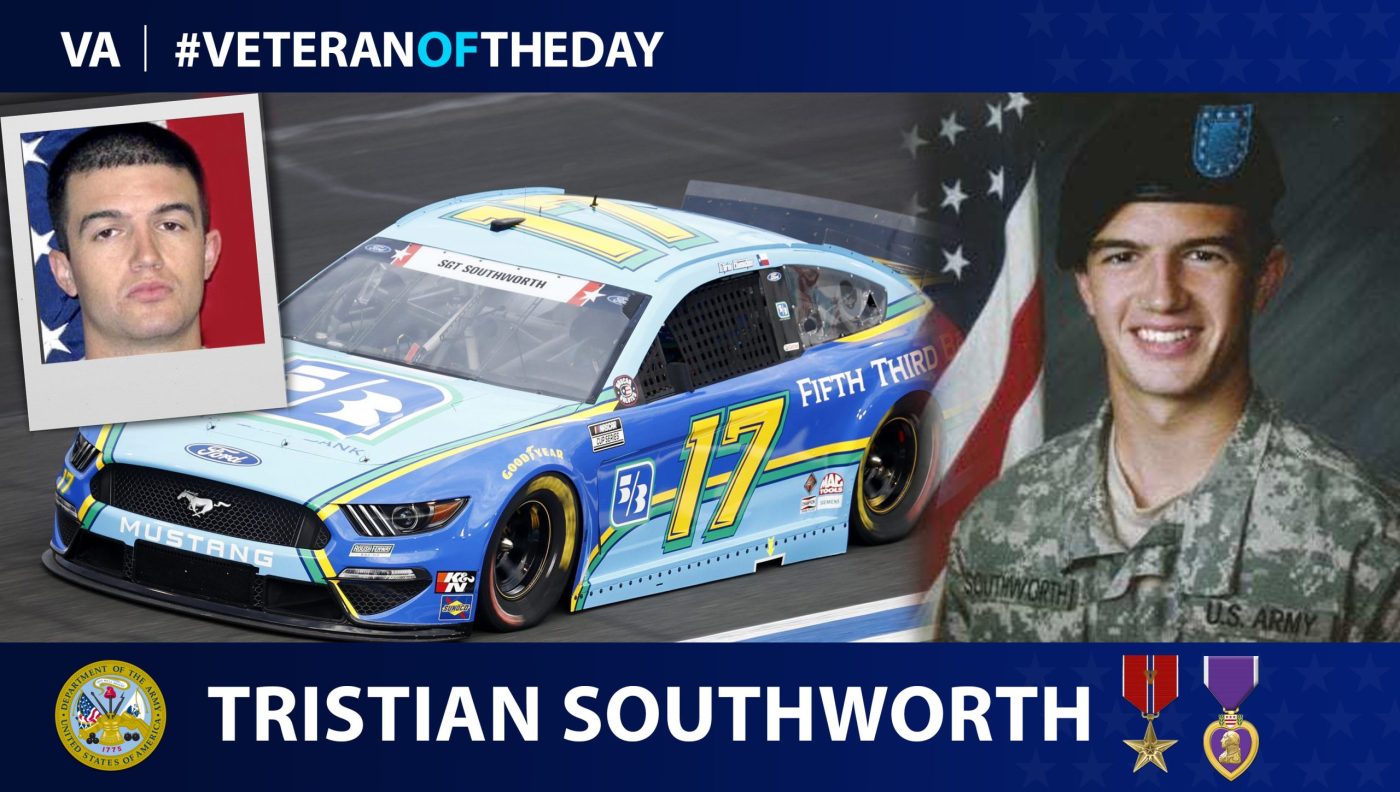
Today’s #VeteranOfTheDay is Army Veteran Tristan Southworth, who was killed in action while serving in Afghanistan.


Official websites use .gov
A .gov website belongs to an official government organization in the United States.

Secure .gov websites use HTTPS
A lock (
) or https:// means you’ve safely connected to the .gov website. Share sensitive information only on official, secure websites.

We’re here anytime, day or night - 24/7
If you are a Veteran in crisis or concerned about one, connect with our caring, qualified responders for confidential help. Many of them are Veterans themselves.
Get more resources at VeteransCrisisLine.net.