
Fraudsters use phishing emails, texts, calls, and QR codes to target Veterans' benefits and personal information. Know the signs and protect yourself.

Remaining vigilant when interacting with emails is critical to avoid phishing scams.
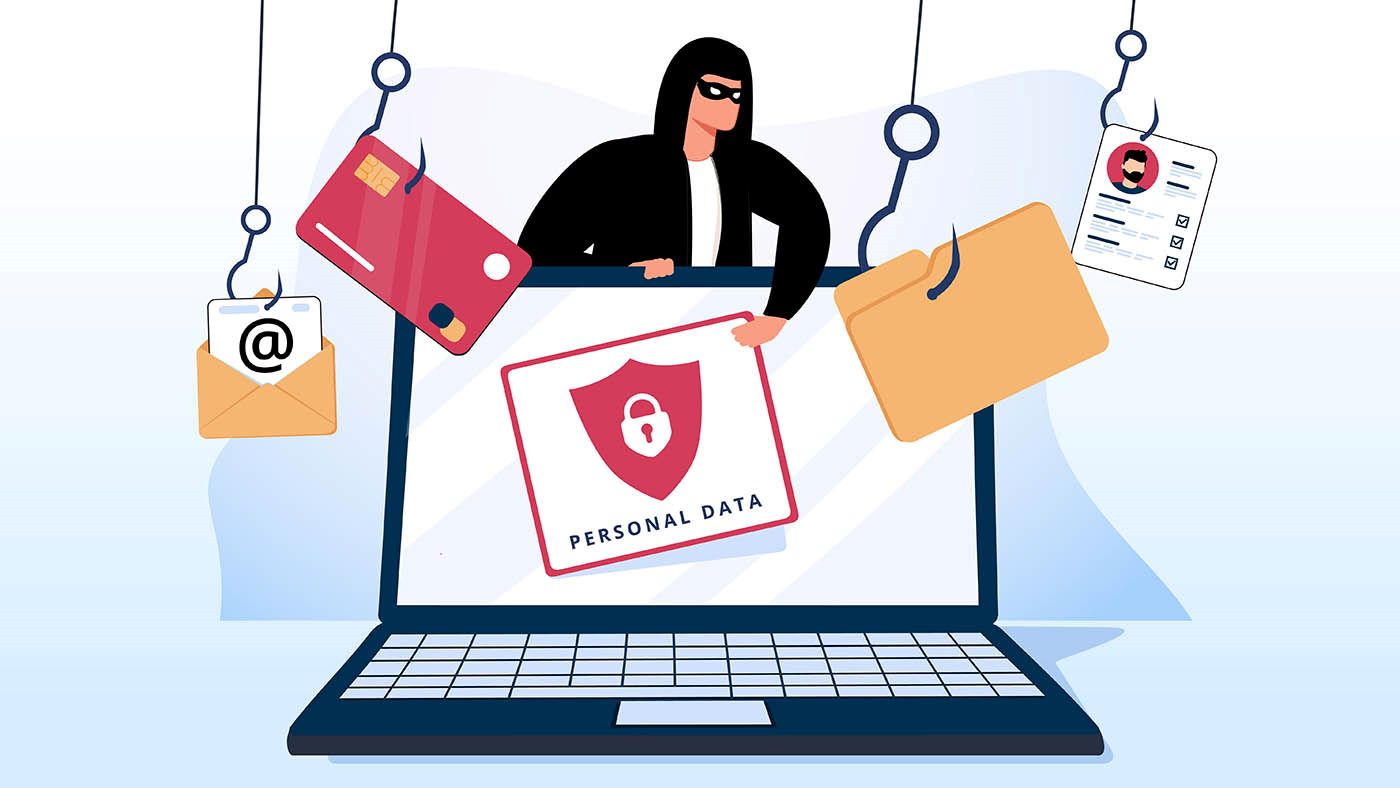
Be cautious when donating to online charities, as you may get caught by scammers phishing for honor!

Scammers are exploiting social media to steal your sensitive information. How can you protect yourself from phishing?
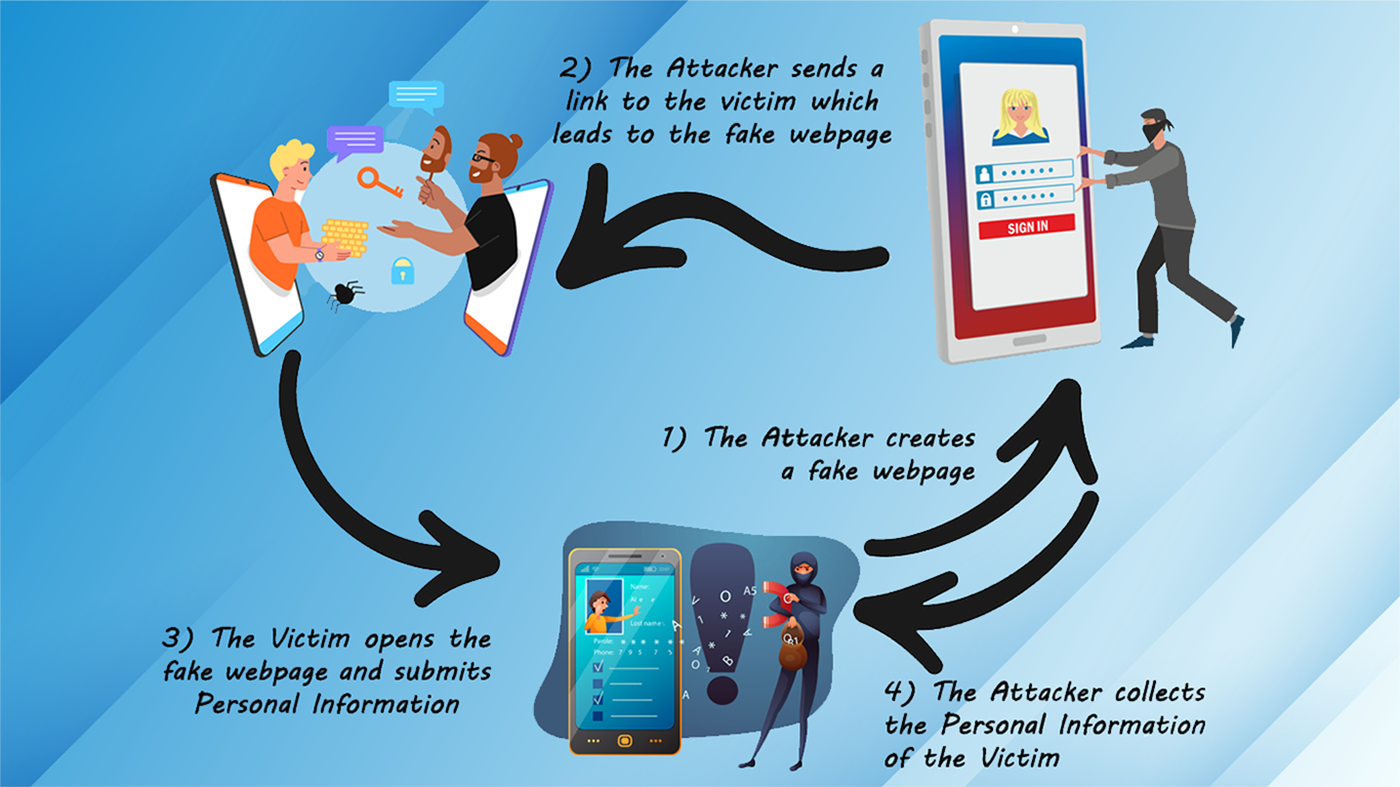
Learn how to up your phishing game with these helpful tips from OIT’s Office of Information Security.
It is important to remain vigilant in screening unknown e-mails, social media messages and phone calls to avoid phishing attempts and to recognize someone posing as VA or a Veteran service organization.

VA wants to ensure you are informed about the risks of education fraud and how to make the best decisions when using VA education benefits.

Fake calls, fake sites and fake voices are targeting Veterans. Learn the warning signs and how to protect yourself from scammers.

The latest fraud tactic targeting Veterans involves sending fake postcards claiming you're entitled to “extra VA benefits” or additional payments.

VA is committed to providing key benefits and resources to help Veterans manage financial stress and safeguard their earned benefits against fraud.

For National Consumer Protection Week and Slam the Scam Day, we want to reaffirm our dedication to protecting the Veterans we serve from fraud and scams.

Post-holiday deals attract shoppers—and unfortunately, scammers. Fraud targeting Veterans and their families often increases during this time as criminals exploit online shopping and holiday generosity.


Official websites use .gov
A .gov website belongs to an official government organization in the United States.

Secure .gov websites use HTTPS
A lock (
) or https:// means you’ve safely connected to the .gov website. Share sensitive information only on official, secure websites.
We’re here anytime, day or night - 24/7
If you are a Veteran in crisis or concerned about one, connect with our caring, qualified responders for confidential help. Many of them are Veterans themselves.
Get more resources at VeteransCrisisLine.net.

VA News
An official website of the U.S. Department of Veterans Affairs
- VA.gov
- ChooseVA
- DiscoverVA
- DigitalVA
- VA Outreach Events
- VA Forms
- VA Publications
- About VA
- VA mobile apps
- Accessibility at VA
- No FEAR Act data
- Whistleblower Protection
- Office of the Inspector General
- VA plans, budget, finances, and performance
- Agency Financial Report
- Privacy policy
- FOIA requests
- Disclaimers
- Open data
- Vulnerability disclosure policy
- Copyright policy
Looking for U.S. government information and services? Visit USA.gov