
VA Research highlights how statins may protect against liver cancer, new info on suicide screening, and a potential new treatment to prevent heart failure.
VA Research published findings on reducing chronic pain, a link between toxic exposure and suicide, and how long-term opioid therapy may lead to dental disease.

VA recently joined the Face the Fight Coalition with shared goal of significantly reducing Veteran suicide by 2032.
VA Research recently published three News Briefs highlighting findings on Veteran mortality, weight loss and heart failure.

You don’t have to hit rock bottom to reach out. Veterans can find relief by exploring VA tools and resources designed for you, anytime and for any reason.

Peer support connects Veterans with Veterans who’ve been there—offering understanding, guidance, and hope through shared experience.

Checking in with Veterans, especially those who seem fine, can allow you to help connect them with support if they need it.

The Veterans Crisis Line is for all Veterans. You’re never taking a spot from someone else. Call, chat, or text anytime for support that’s always here.

VA is working to reduce rural Veterans’ suicide risk by enhancing access to health care providers and providing resources to help create safe home environments.

VA staff provide a range of preventative and immediate resources for incarcerated Veterans at risk of suicide.

Avoiding a mental health crisis is possible, especially if Veterans work to address challenges rather than holding them in. It's fine to seek help, and VA offers resources that can assist.
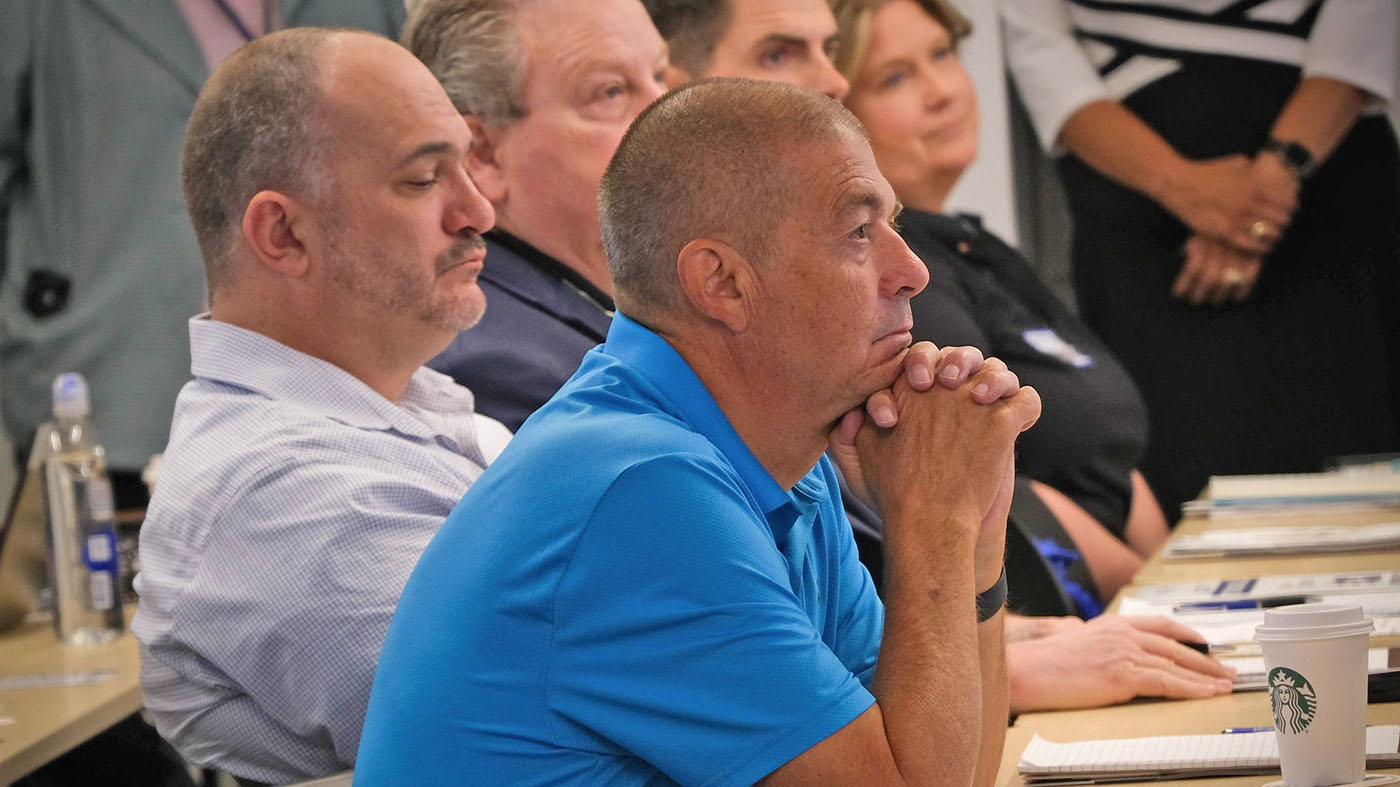
Ozarks and Central Arkansas VA hosted an outreach event for faith-based community members to combat Veteran suicide.


Official websites use .gov
A .gov website belongs to an official government organization in the United States.

Secure .gov websites use HTTPS
A lock (
) or https:// means you’ve safely connected to the .gov website. Share sensitive information only on official, secure websites.
We’re here anytime, day or night - 24/7
If you are a Veteran in crisis or concerned about one, connect with our caring, qualified responders for confidential help. Many of them are Veterans themselves.
Get more resources at VeteransCrisisLine.net.

VA News
An official website of the U.S. Department of Veterans Affairs
- VA.gov
- ChooseVA
- DiscoverVA
- DigitalVA
- VA Outreach Events
- VA Forms
- VA Publications
- About VA
- VA mobile apps
- Accessibility at VA
- No FEAR Act data
- Whistleblower Protection
- Office of the Inspector General
- VA plans, budget, finances, and performance
- Agency Financial Report
- Privacy policy
- FOIA requests
- Disclaimers
- Open data
- Vulnerability disclosure policy
- Copyright policy
Looking for U.S. government information and services? Visit USA.gov