As an active healthy man who lived life head on, former Coast Guard Veteran Dave Riley had to find a way to thrive as a quadruple amputee rather than be dependent on other people for the rest of his life. He credits the National Disabled Veterans Winter Sports Clinic as a transition point that allowed him a new lease on life.
“I found myself at my first clinic thinking, ‘a guy with no arms or legs has no business being on skis!’” he laughs. Riley, now the Disabled American Veteran national commander, used the confidence he gained on the slopes using adaptive sports equipment to emerge as a successful business man with a wide range of hobbies and service in his community.

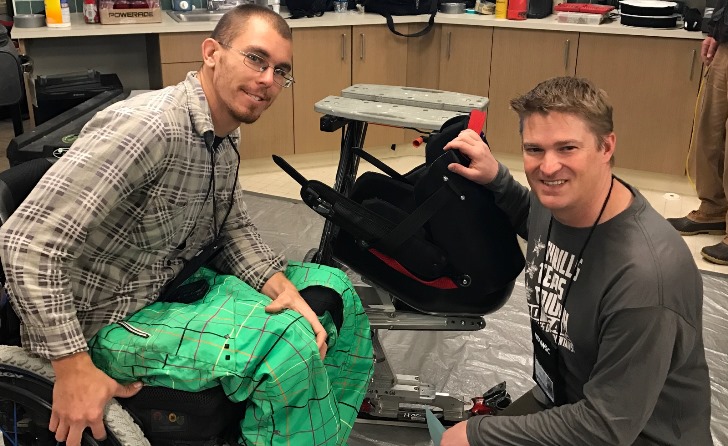
Disabled veterans meet up at the seating/technology/boot fit clinic Sunday to get fitted for adaptive sports equipment to compete in various sporting events during the National Disabled Veterans Winter Sports Clinic.
Sunday, disabled Veterans poured into a converted daycare center at the Westin in Snowmass, Colorado, to get properly fitted by assistive prosthesis teams for adaptive sports equipment needed to participate in activities like downhill skiing, snowmobiling, sled hockey, cross country skiing, snowshoeing and rock climbing this week at the Winter Sports Clinic. Veterans report the rehabilitative outcomes of the week have made a lasting impact physically and emotionally in numerous ways.
“It’s a life changer,” says VA’s interim deputy secretary Scott Blackburn of the week-long clinic with 374 participants. Blackburn, a Veteran of Operation Enduring Freedom, tested out an adaptive monoski Sunday afternoon giving him a first-hand experience of how the equipment allows disabled Veterans to ski. “It was amazing, I was a little scared, this was my first time skiing sitting down, but as we got going I could see that I could relax and I loved it—and my back didn’t hurt at all.”
Mountain Safety Coordinator Chris Werhane, has helped Veterans like Blackburn and others, during the Winter Sports Clinic for the past 29 years. “When Veterans use this adaptive sports technology, they find out what it’s like to have gravity take over and in that process, they begin to find, ‘I’m back in control, I can do this,’” he said.
Justin Ashbaugh, a Marine Veteran from San Diego, is participating in downhill skiing during his second clinic. He stopped by the seating/technology/boot clinic to get a better fit on his equipment.
“Before my injury I was an expert skier and because of that I find I understand how to maneuver better in adaptive equipment,” Ashbaugh said. “It feels like riding a motorcycle, except you are faster than you normally go. It feels good to be back on the snow again.”
In addition to downhill skiing, he will be trying sled hockey and curling this week. He’d eventually like to try lacrosse and downhill mountain biking. “This clinic got me out enjoying sports again. It helps to try and stay busy, and this clinic gives me good ideas on how to go forward.”
His advice for new participants? “Just get out there and do it. It doesn’t matter how good you are, just try,” he says.
 Kara Fort joined VA as a contractor in 2016. She is the granddaughter, daughter and sister of Navy Veterans. She works for HMS TECHNOLOGIES, INC a service-disabled, Veteran-owned small business based in Martinsburg, West Virginia, and gold sponsor of the event.
Topics in this story
More Stories

Seven U.S. Army soldiers, one Army Reserve soldier and two Veterans are representing Team USA at the 2024 Olympic Games in Paris, which begins today.
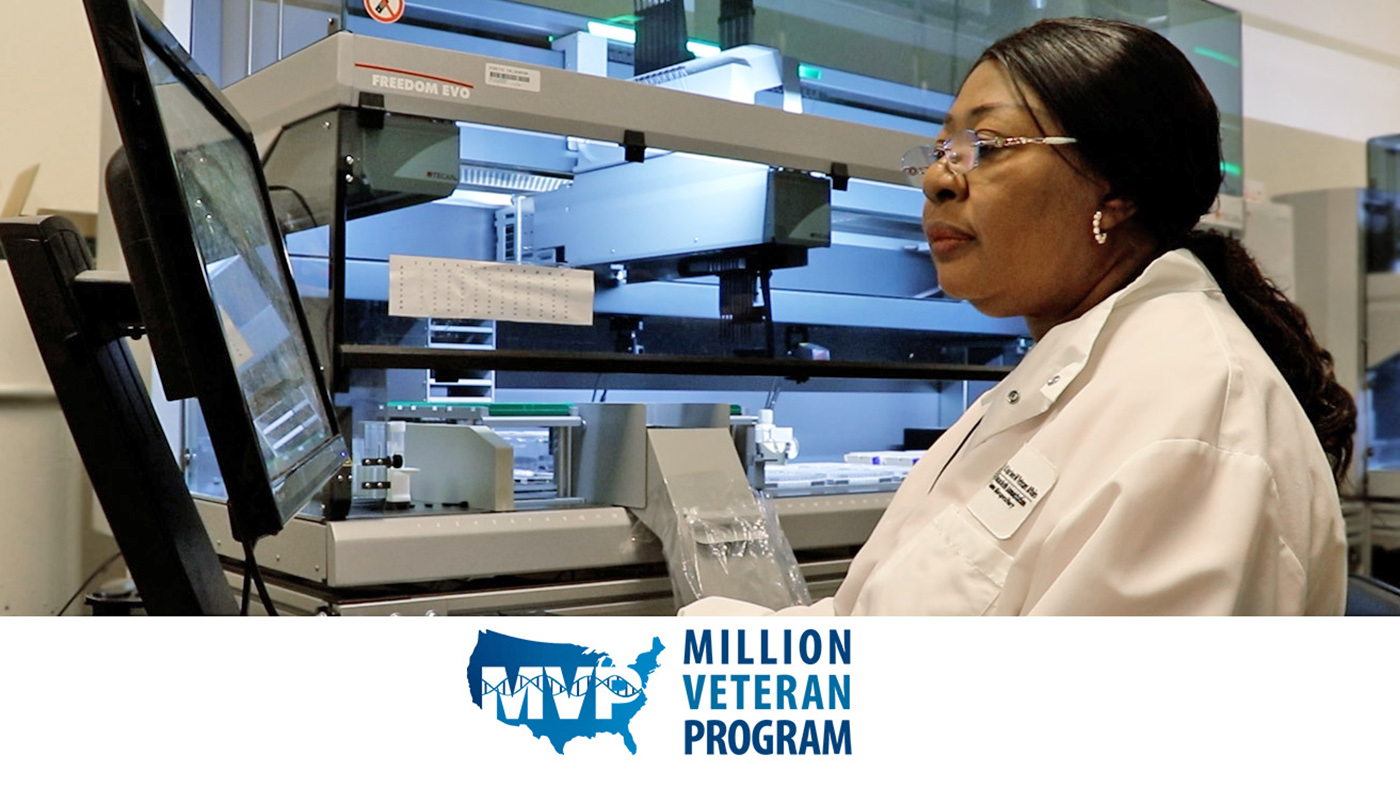
The findings of this new MVP study underscore the importance and positive impact of diverse representation in genetic research, paving the way for significant advances in health care tailored to Veteran population-specific needs.
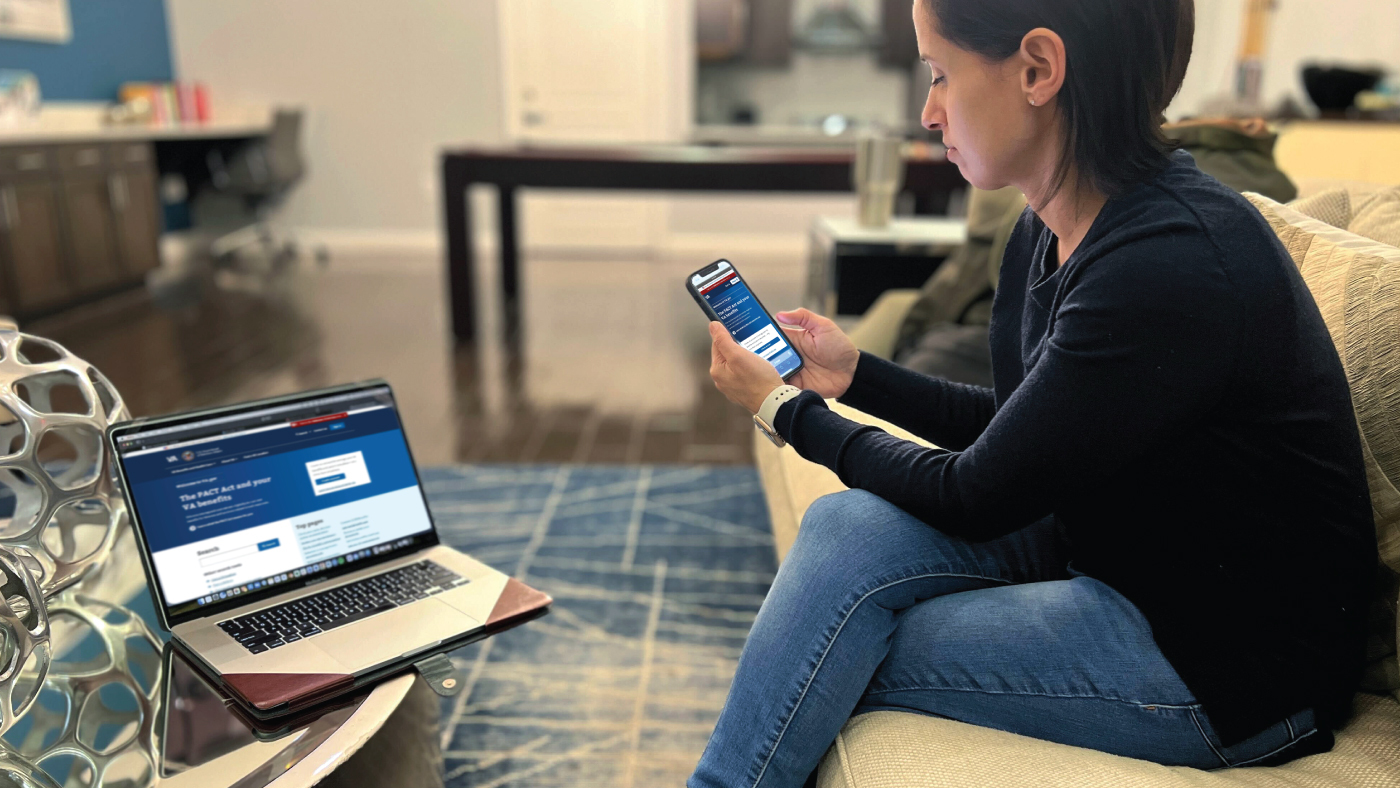
VA reduces complexity for Veterans, beneficiaries, and caregivers signing in to VA.gov, VA’s official mobile app, and other VA online services while continuing to secure Veteran data.