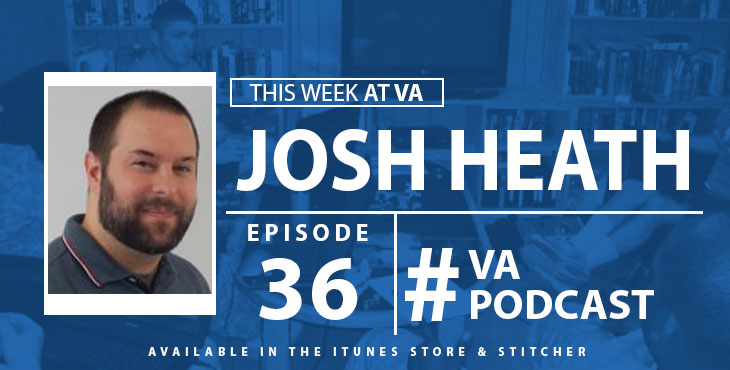
Episode 36 brings us Joshua Heath. Josh served in the Army from 2006 to 2011 as a 91J Quartermaster and Chemical Equipment Repairer. While he was in, he ran a Dungeons and Dragons game for MWR while in Iraq, helping soldiers destress and escape. Now, he uses his company Reach Out Roleplaying Games to help connect people and create communities through gaming. Josh is going to talk to us about the benefits of playing RPGs and the effects he’s seen in Veterans.
Covered in Episode 36:
- Women Veterans Summit
- Interview with Army Veteran Josh Heath
- Why he decided to join the Army
- Playing Dungeons and Dragons with soldiers
- His use of the G.I. Bill
- How role playing games benefit Veterans
- Finding or advertising resources at your VAMC
- #VeteranOfTheDay Marine Corps Veteran Russell Pool
The #VApodcast is now available in iTunes, Stitcher Radio, Google Play, and Spotify. Search “Borne the Battle” in your podcast app of choice to subscribe.
Topics in this story
More Stories

Seven U.S. Army soldiers, one Army Reserve soldier and two Veterans are representing Team USA at the 2024 Olympic Games in Paris, which begins today.
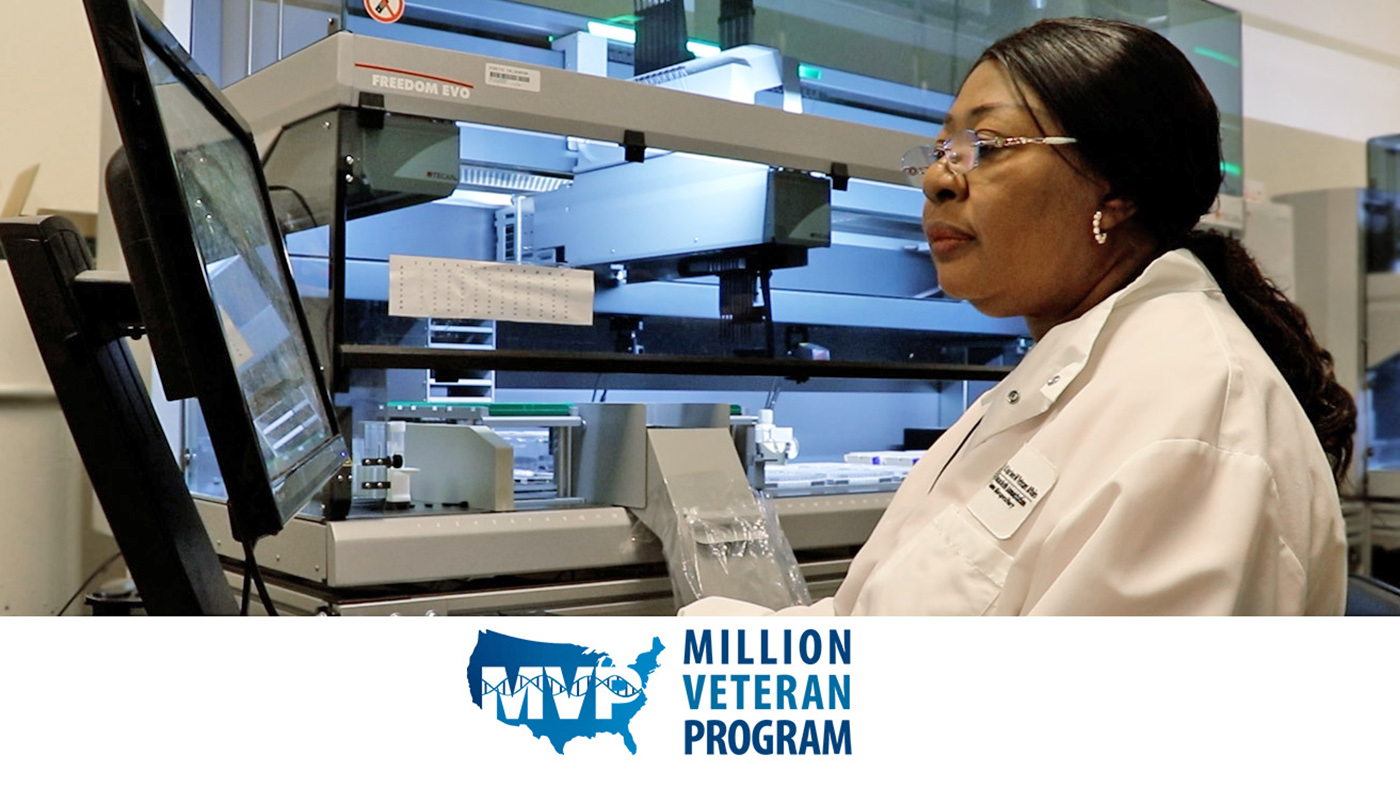
The findings of this new MVP study underscore the importance and positive impact of diverse representation in genetic research, paving the way for significant advances in health care tailored to Veteran population-specific needs.
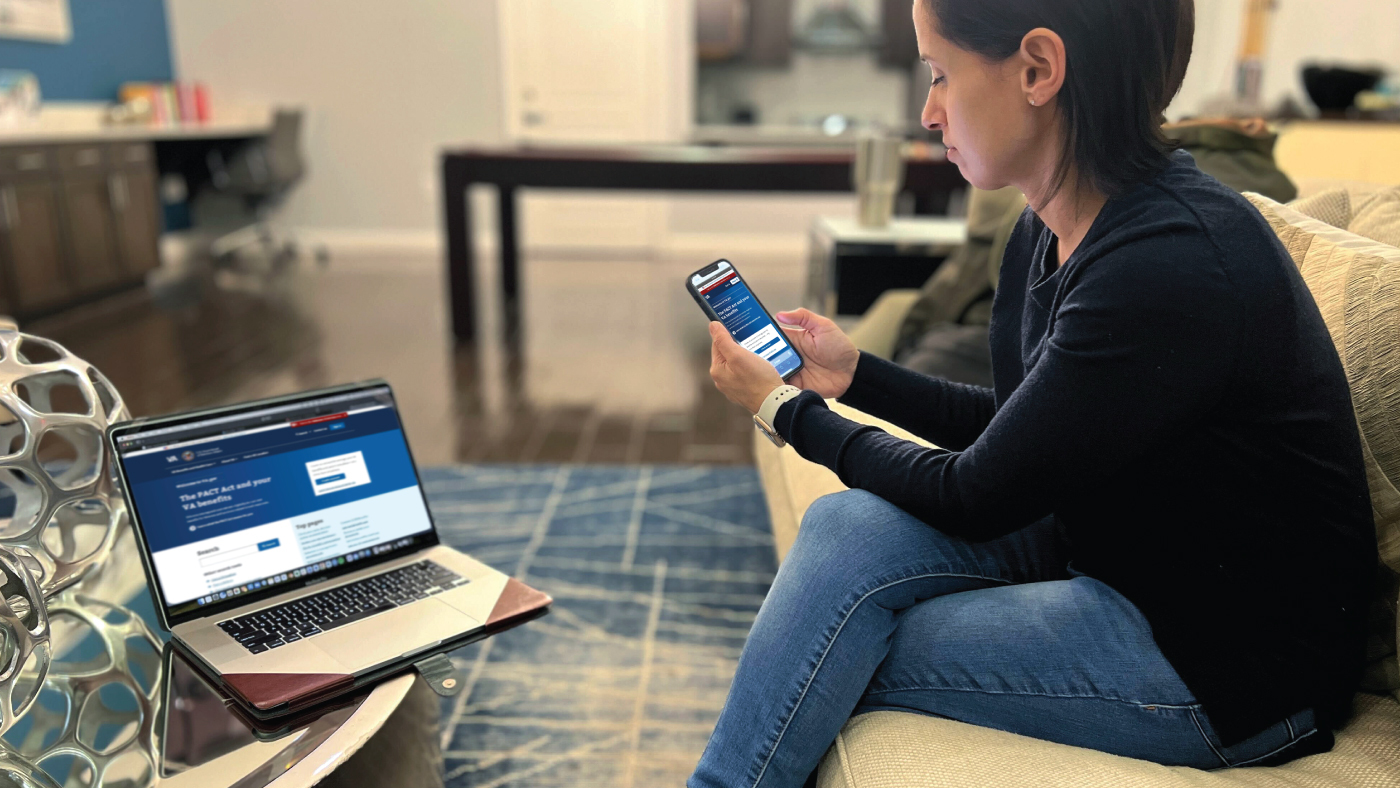
VA reduces complexity for Veterans, beneficiaries, and caregivers signing in to VA.gov, VA’s official mobile app, and other VA online services while continuing to secure Veteran data.