



Education is one of the most valuable things a person can have. Following World War II, the original GI Bill helped provide Veterans returning from war the opportunity to pursue a college degree. Since its inception, the GI Bill has gone through a few iterations, including the most recent Post 9/11 GI Bill receiving the Forever GI Bill enhancement.
The GI Bill celebrates its 74th anniversary this month. To join the celebration of this wonderful benefit’s 75th year, I invited a couple members of Student Veterans of America to join me in a discussion of the history of the GI Bill, its evolution, and its latest iteration. With me for this week’s episode is Marine Veteran Barrett Bogue, SVA’s Vice President for Public Relations and Public Engagement and Army Veteran Lauren Augustine, Vice President of Government Affairs. Both of them have experience working in higher education and had a close view of what it took to pass the Forever GI Bill.
The #VApodcast is now available in iTunes, Stitcher Radio, Google Play, and Spotify. Search “Borne the Battle” in your podcast app of choice to subscribe.
Topics in this story
More Stories

Seven U.S. Army soldiers, one Army Reserve soldier and two Veterans are representing Team USA at the 2024 Olympic Games in Paris, which begins today.
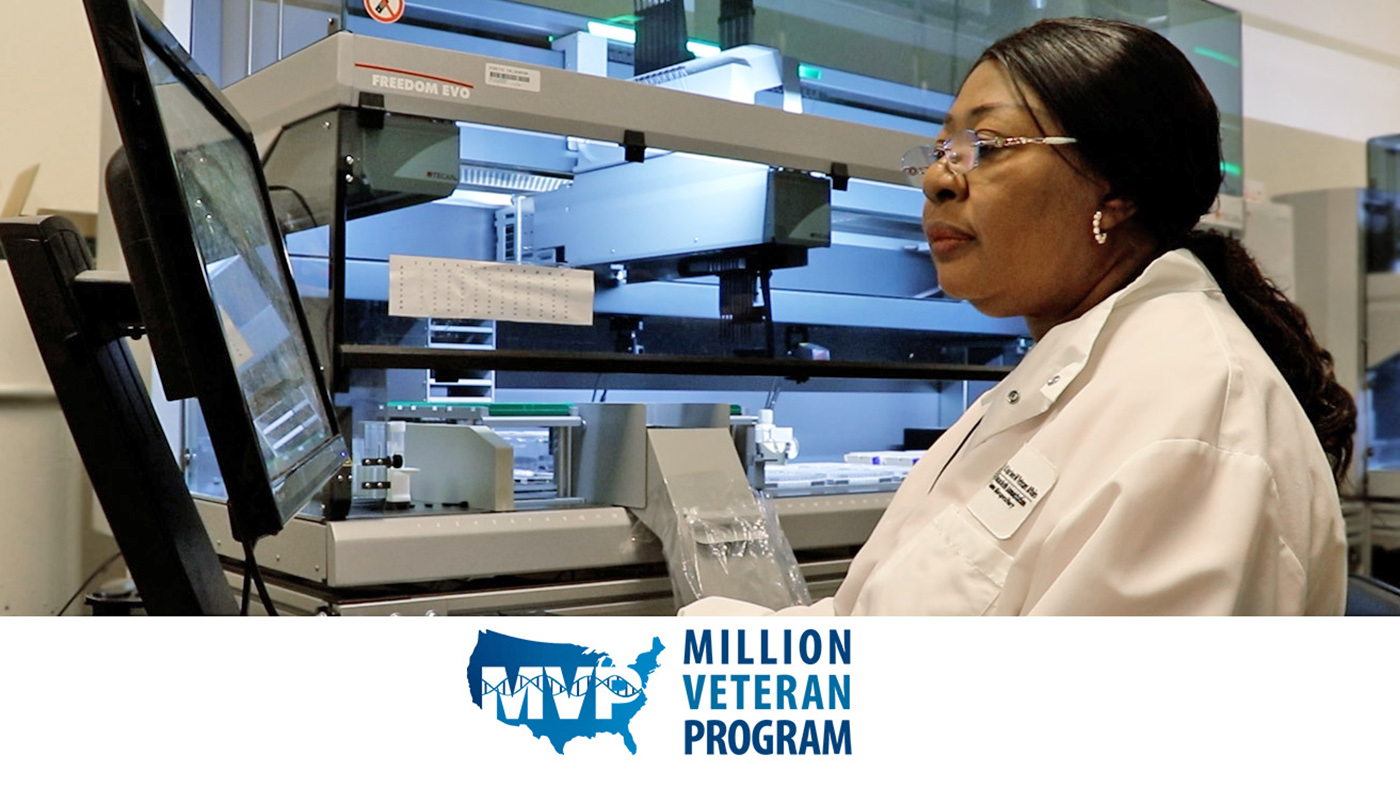
The findings of this new MVP study underscore the importance and positive impact of diverse representation in genetic research, paving the way for significant advances in health care tailored to Veteran population-specific needs.

VA reduces complexity for Veterans, beneficiaries, and caregivers signing in to VA.gov, VA’s official mobile app, and other VA online services while continuing to secure Veteran data.


The change to basing the monthly housing on campuses where students attend most classes is going to impact a lot of veterans negatively. Vets in their 3rd or 4th semester may have to change universities because they can no longer afford to live in the city they study. There should be a grandfather clause for them. For example, there are students in satellite universities located in Europe that can’t afford to live in those cities with the international MHA rate. These students should not be punished for this change in the law. When they first signed up for their studies they were counting on that satellite school rate. Changing that halfway through their studies is unfair and was not taken into account by the people that made this new bill.