


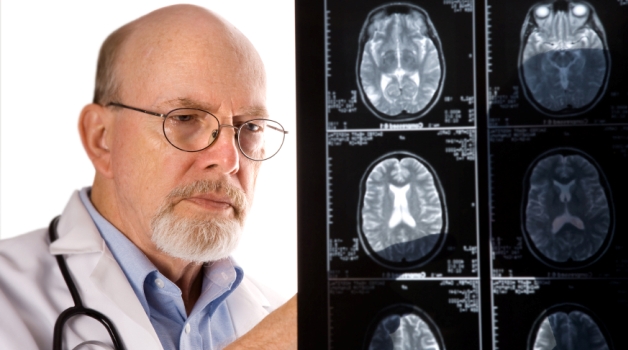
Strokes are not only deadly, but they can lead to a lifetime of cognitive issues. Out of 12,000 Veterans admitted for strokes at VA facilities every year, 20-35 percent develop aphasia, a language disorder than can impair the recollection of words or render a victim unable to speak, read, or write.
Now, a program at the Pittsburgh VA Healthcare System has been developed to help combat the degenerative effects of aphasia. So far, 39 Veterans have gone through the Program for Intensive Residential Aphasia Treatment and Education (PIRATE). The program is notable for its one-on-one therapy sessions instead of group therapy. The intensive treatment packs five six-hour sessions with a speech pathologist into one month. Normally, that amount of treatment would take place in a year.
PIRATE shows promise for those who’ve had their cognitive abilities curtailed by stroke. Check out the program website to learn more, and if you or someone you know would benefit from treatment, get in touch with the PIRATE team to get on the list.
Topics in this story
More Stories

Seven U.S. Army soldiers, one Army Reserve soldier and two Veterans are representing Team USA at the 2024 Olympic Games in Paris, which begins today.
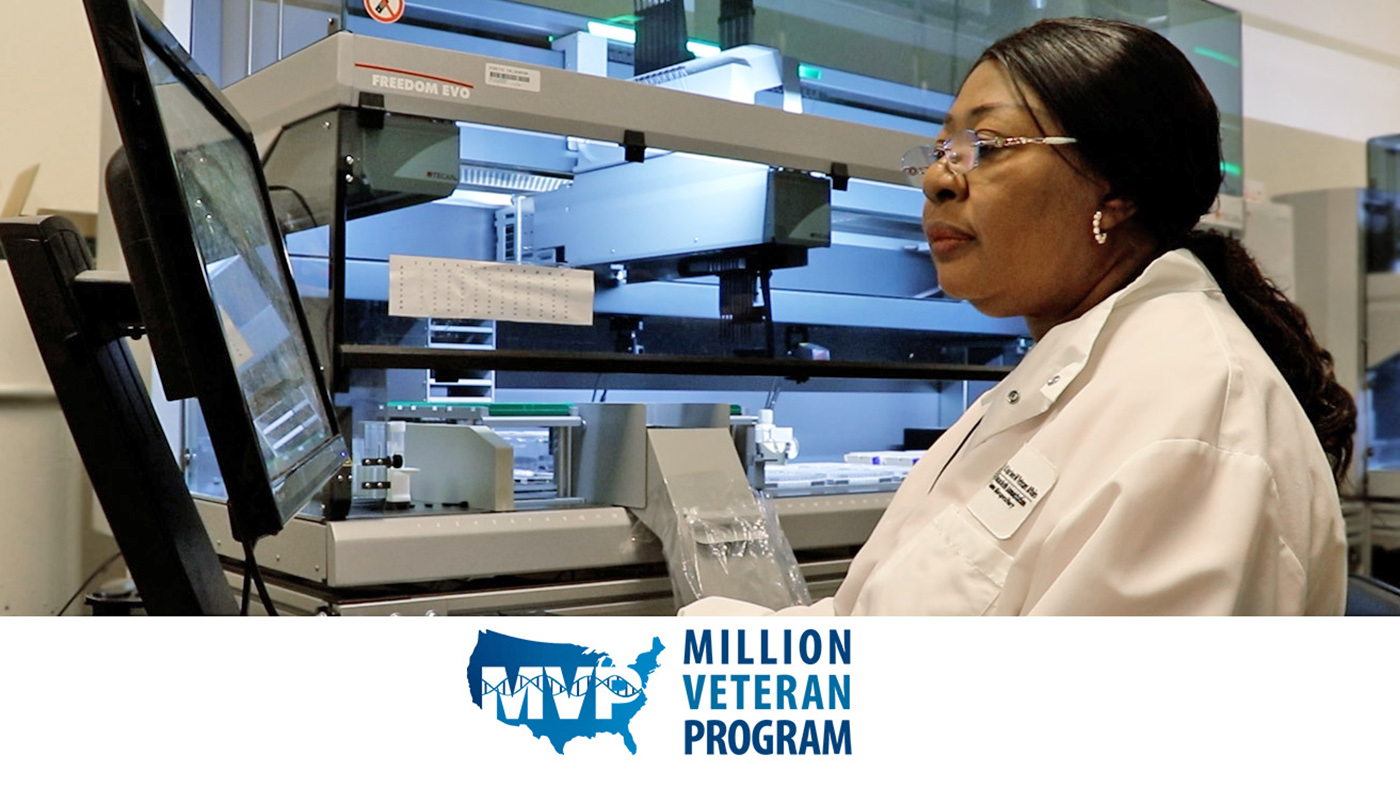
The findings of this new MVP study underscore the importance and positive impact of diverse representation in genetic research, paving the way for significant advances in health care tailored to Veteran population-specific needs.
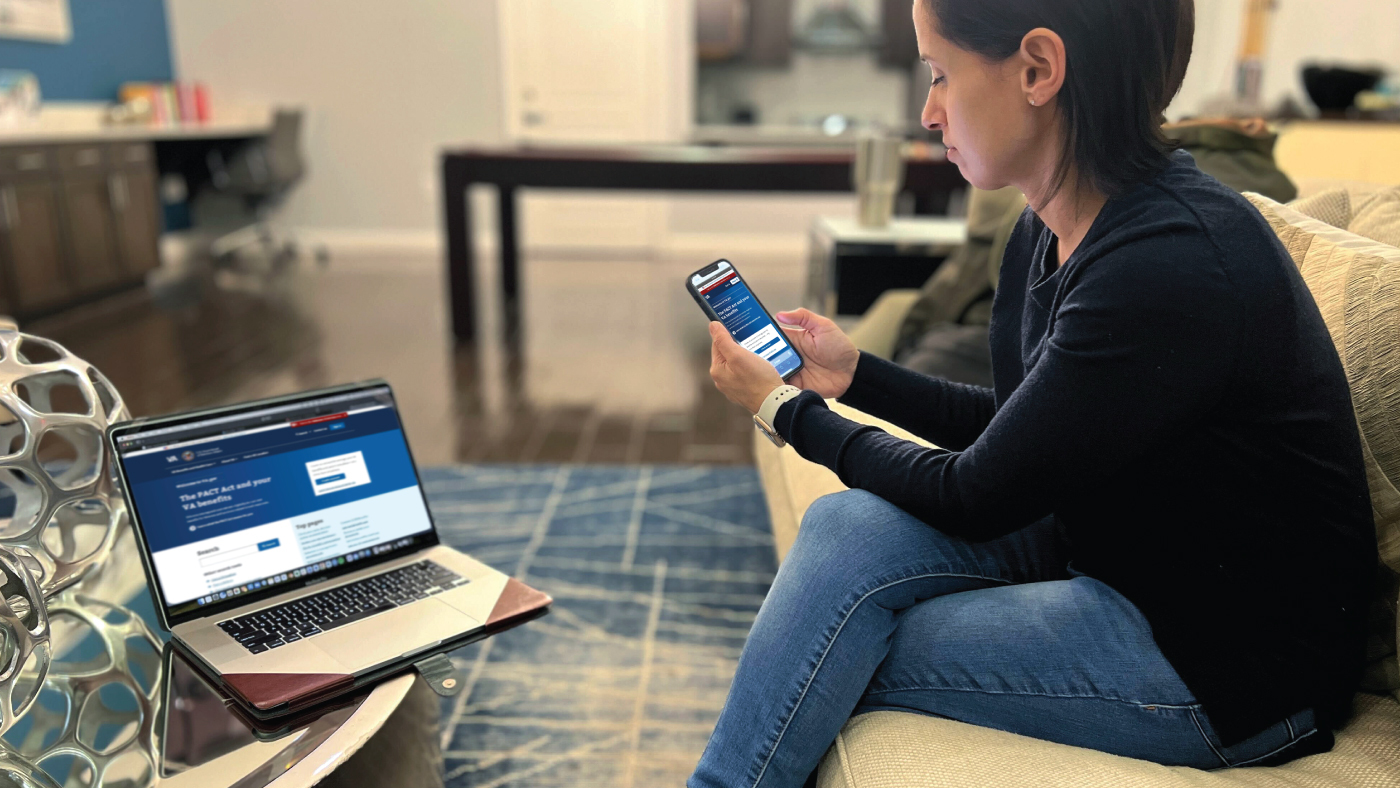
VA reduces complexity for Veterans, beneficiaries, and caregivers signing in to VA.gov, VA’s official mobile app, and other VA online services while continuing to secure Veteran data.


I just heard about PIRATE and will be involved more. Thank you for all your information. Will bookmark this page!