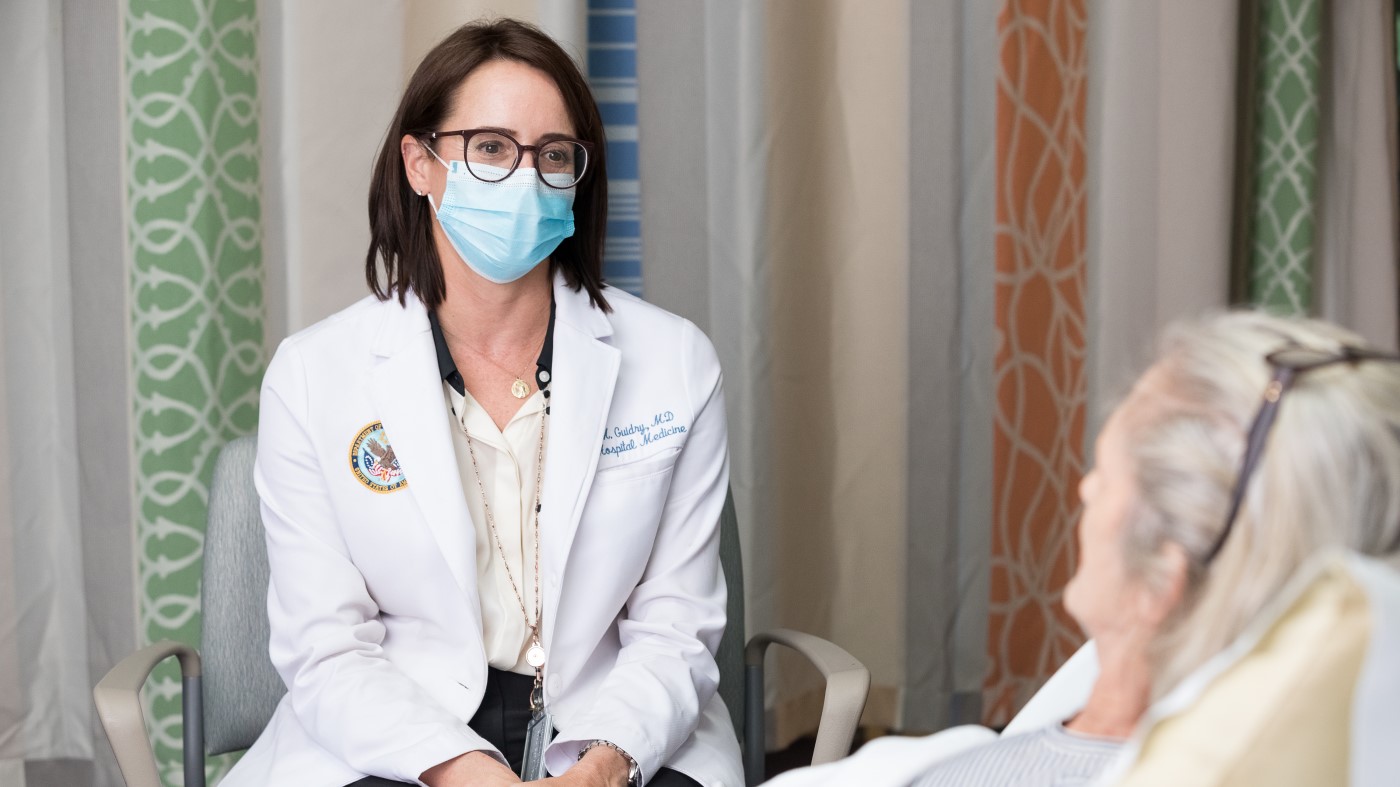
On World Alzheimer’s Day and every day, we work hard to care for Veterans living with Alzheimer’s disease. Learn more about careers where you can make a difference.
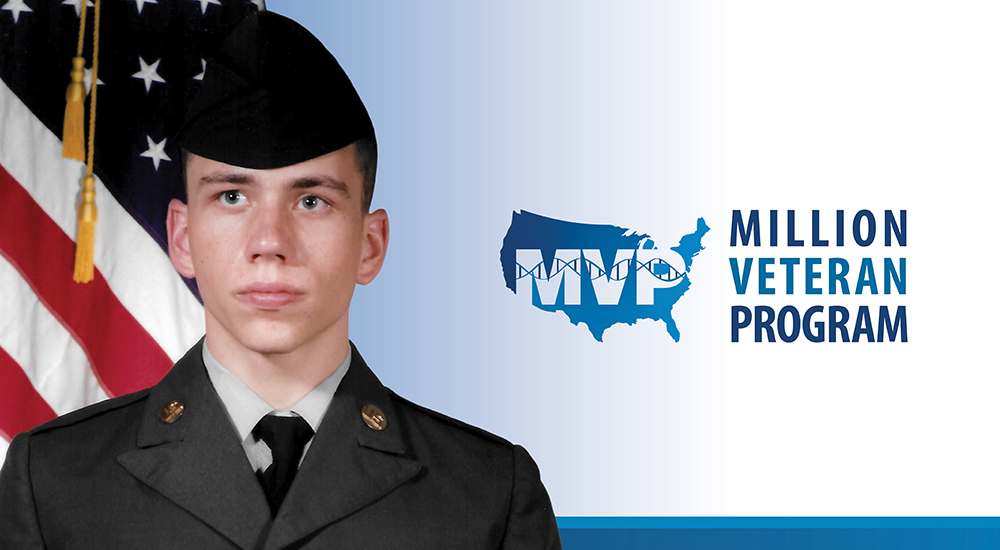
Dr. Mark Logue details his research connecting PTSD and TBI with Alzheimer’s and dementia genetic risk in Veterans.
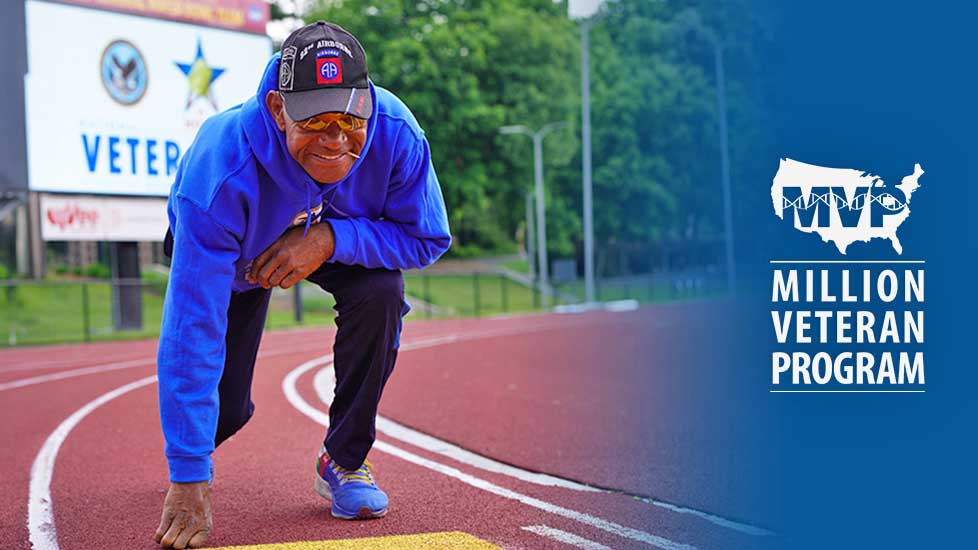
VA’s largest research program is making discoveries to help improve health care for Black Veterans.
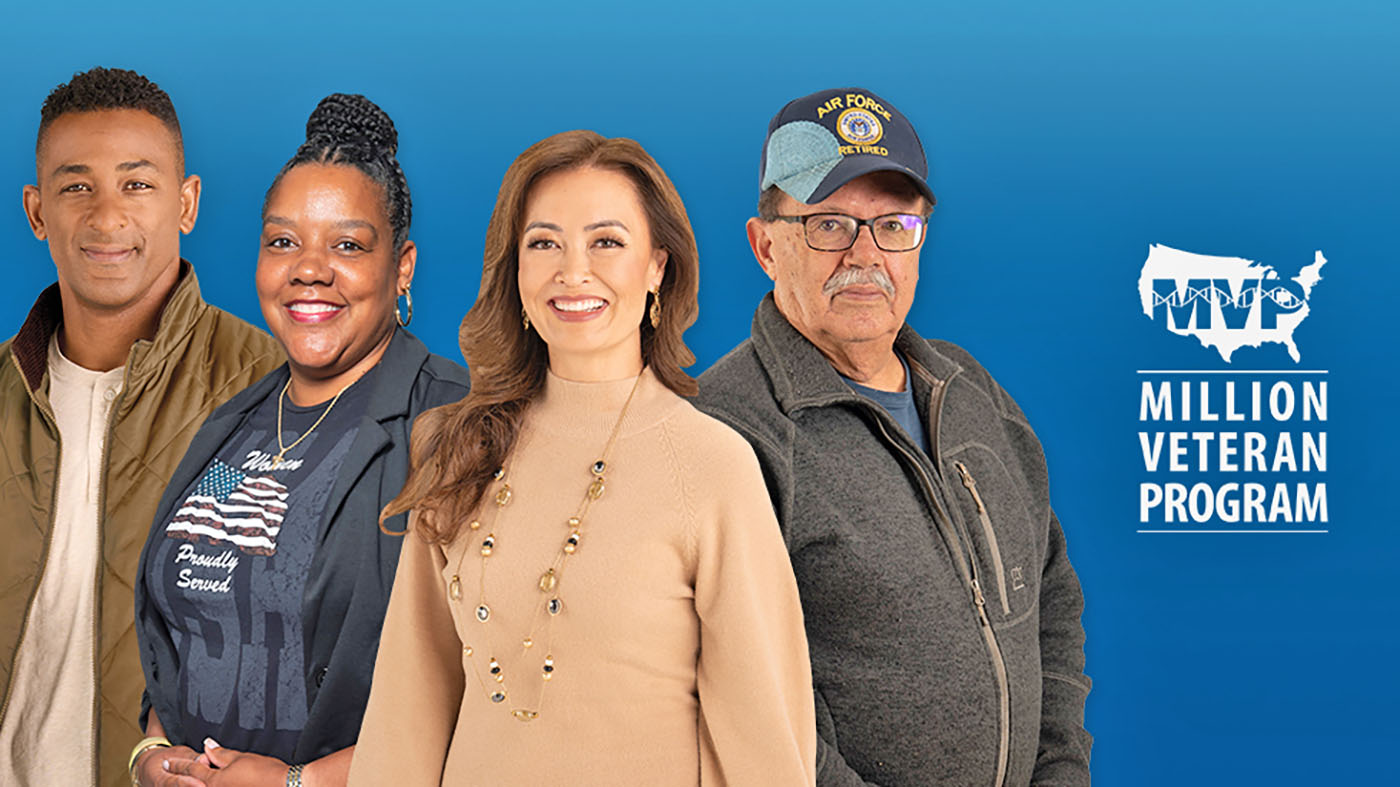
VA’s largest research program, the Million Veteran Program, is making discoveries through diverse representation
The Million Veteran Program continues to make strides toward improving Veteran health care, thanks to more than 1 million participants.
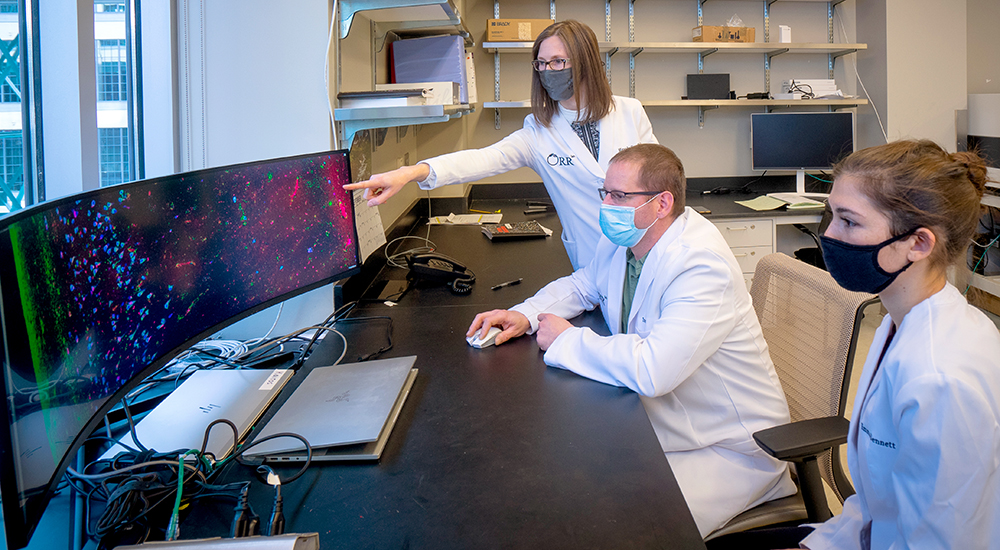
As a result of her grandmother's death from Alzheimer’s disease, a would-be fourth generation farmer embarked on a different career path.
Join us during National Family Caregiver Month in connecting with VA resources and celebrating the whole caregiver.

Importantly, the investigators went on to identify two FDA-approved medications that could obstruct the dangerous process. They say these drugs could suggest new directions in TBI and Alzheimer’s research and treatment.
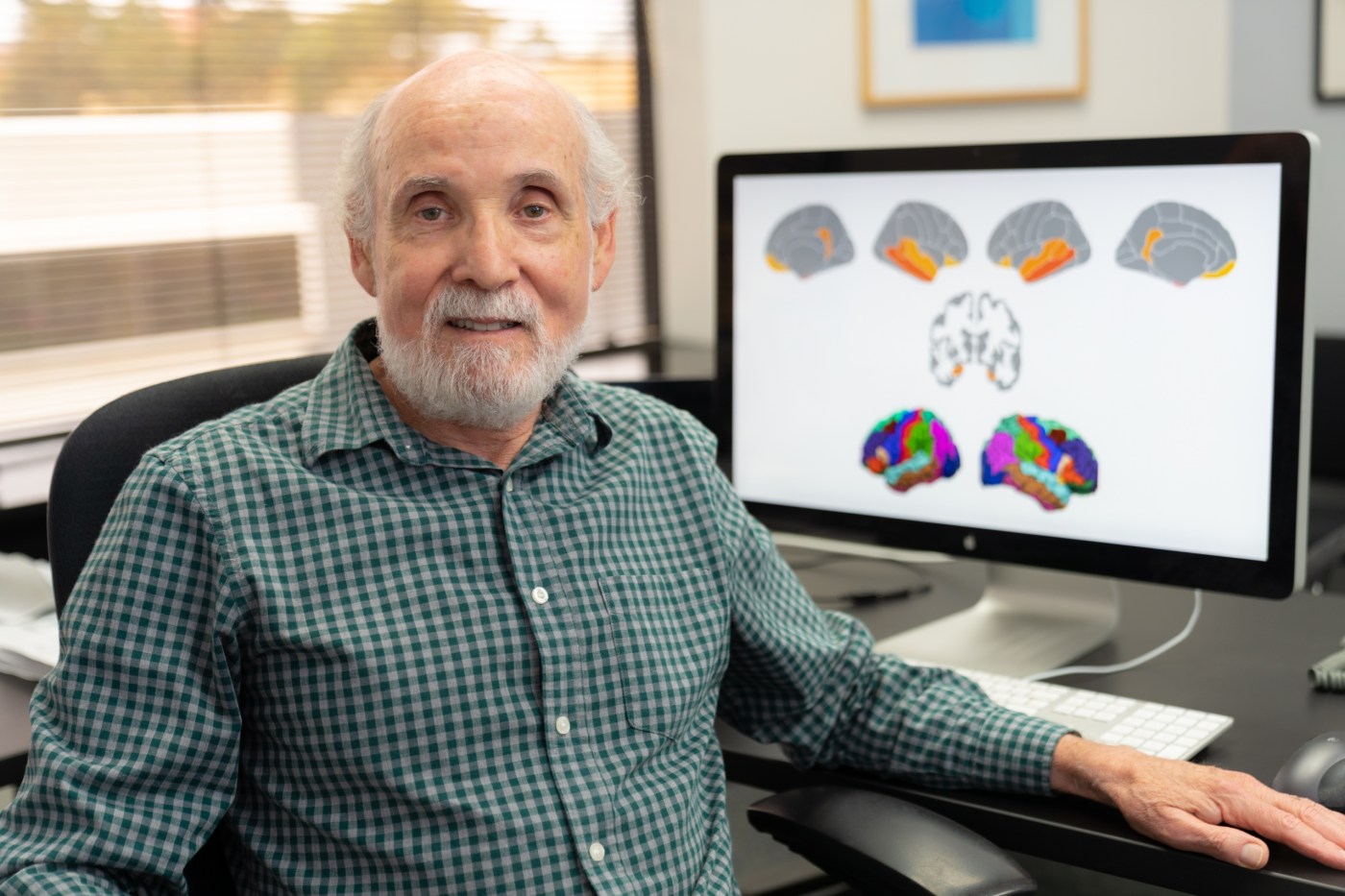
In a secondary analysis, Kremen and his colleagues looked at brain images while controlling for the effects of general aging. They observed that the Alzheimer’s-related brain regions remained as significant predictors, suggesting that the effect was not simply due to general aging.

Vietnam Veteran gives back to his Polynesian and Veteran community by joining VA’s Million Veteran Program (MVP).
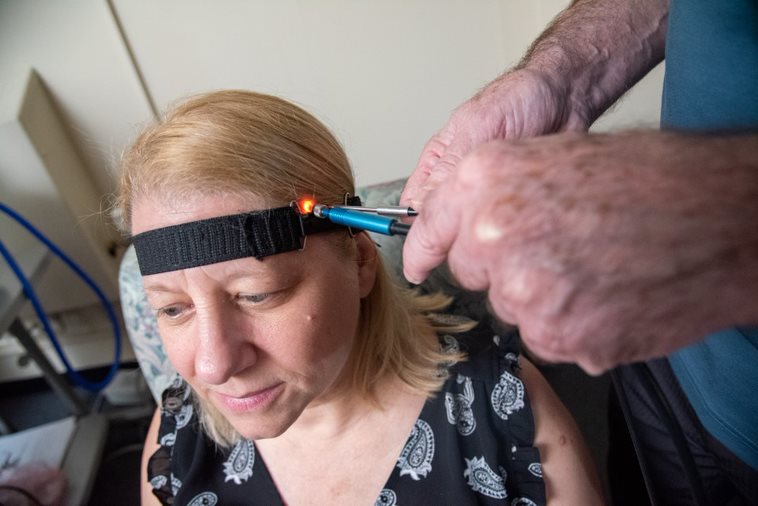
This scanning method could become a simple, completely non-invasive method of early Alzheimer’s detection, according to the researchers, and also has potential as a way to assess the effectiveness of treatment.
Researchers working on interventions to reduce Veteran suicide, substance abuse, depression in elderly Veterans and other health care issues.


Official websites use .gov
A .gov website belongs to an official government organization in the United States.

Secure .gov websites use HTTPS
A lock (
) or https:// means you’ve safely connected to the .gov website. Share sensitive information only on official, secure websites.

We’re here anytime, day or night - 24/7
If you are a Veteran in crisis or concerned about one, connect with our caring, qualified responders for confidential help. Many of them are Veterans themselves.
Get more resources at VeteransCrisisLine.net.