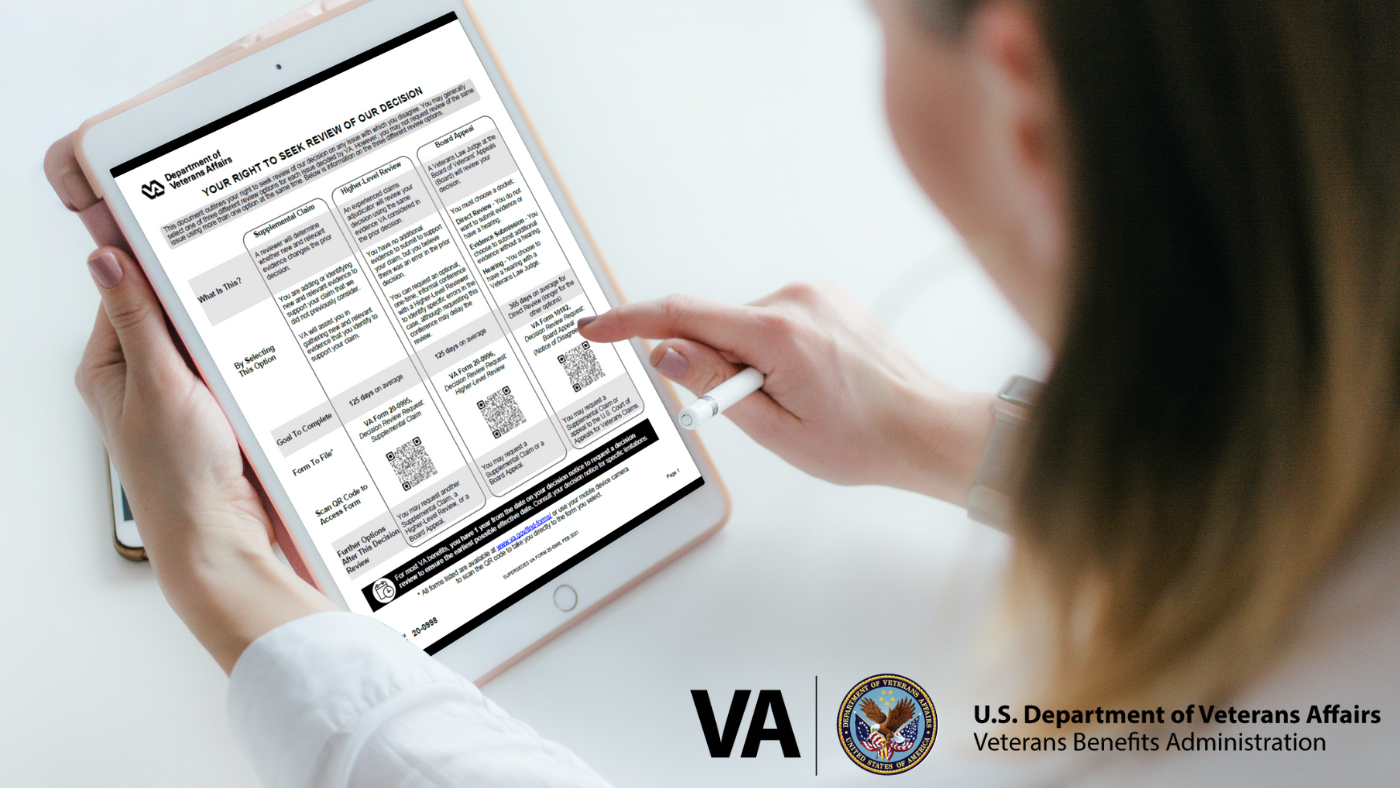
The AMA allows Veterans to decide which method of claim decision review is best for them, depending on the circumstances of their claim.
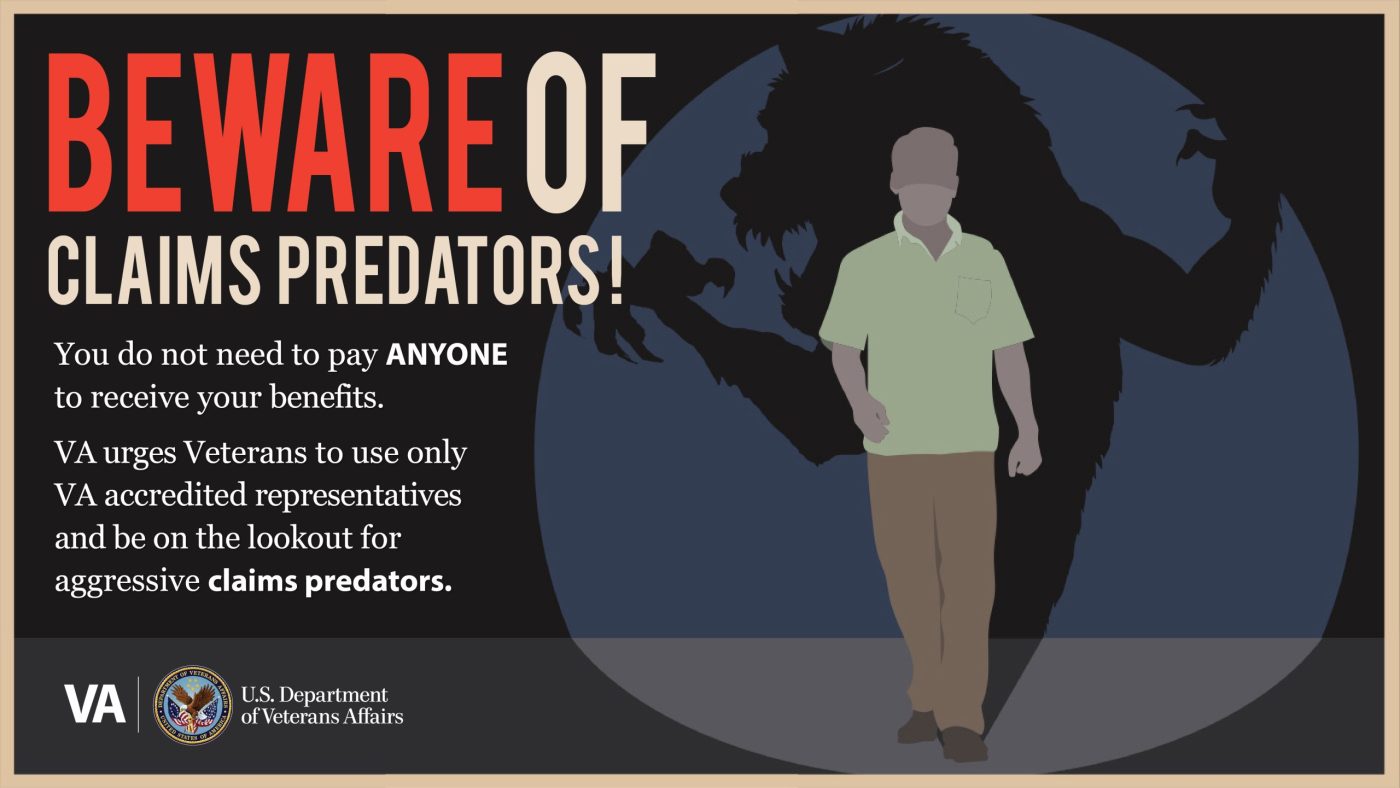
Claims predators take advantage of Veterans and their beneficiaries by using high-pressure tactics, sharing misleading information and making false promises to convince Veterans to sign up for their services. Here's how to spot them.
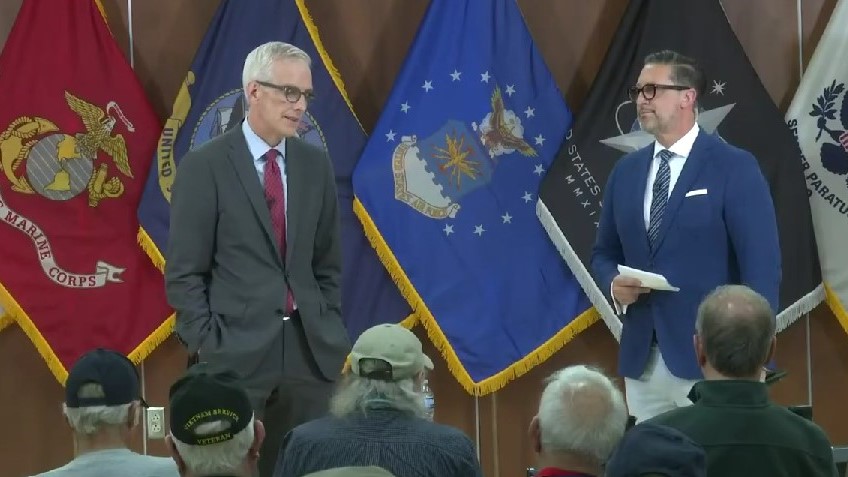
In a town hall event on Wednesday, May 15 at the Cleveland VA Medical Center, VA Secretary Denis McDonough addressed the top requested concerns from Veterans and their families, caregivers and survivors.

We strive to provide you the best care possible, but know you may not always agree with our decisions. Here’s how to request an appeal.

Considering a higher-level review of your claim decision? An informal conference can allow you to communicate directly with a reviewer.
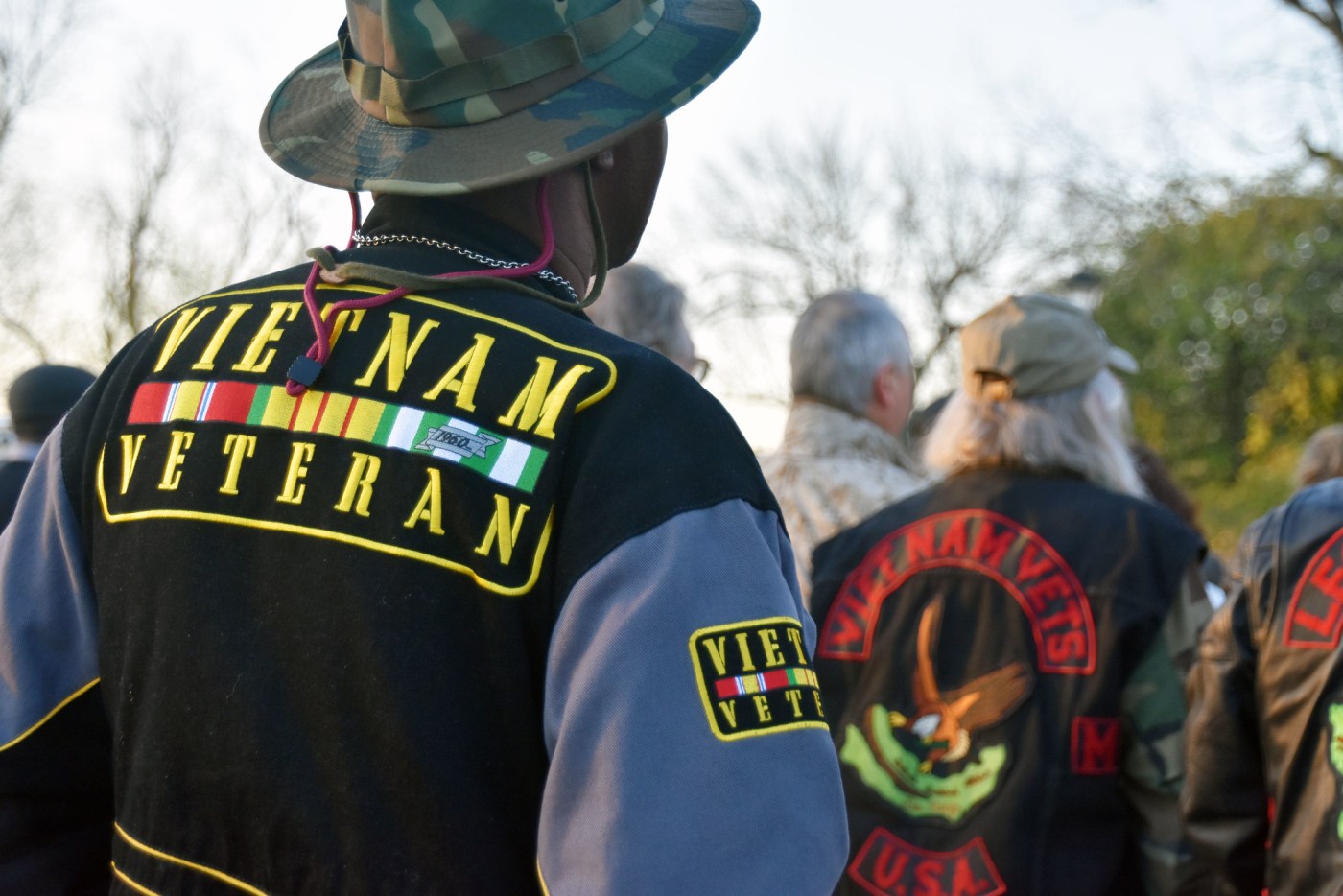
On this National Vietnam War Veterans Day, VBA discusses the compensation and benefits available to Vietnam War Veterans.
Program of Comprehensive Assistance for Family Caregivers (PCAFC) decision letters issued as of September 28, 2021, include a notice of updated review and appeal rights, VA Form 10-305: Your Rights to Seek Further Review of Program of Comprehensive Assistance for Family Caregivers (PCAFC) Decisions.
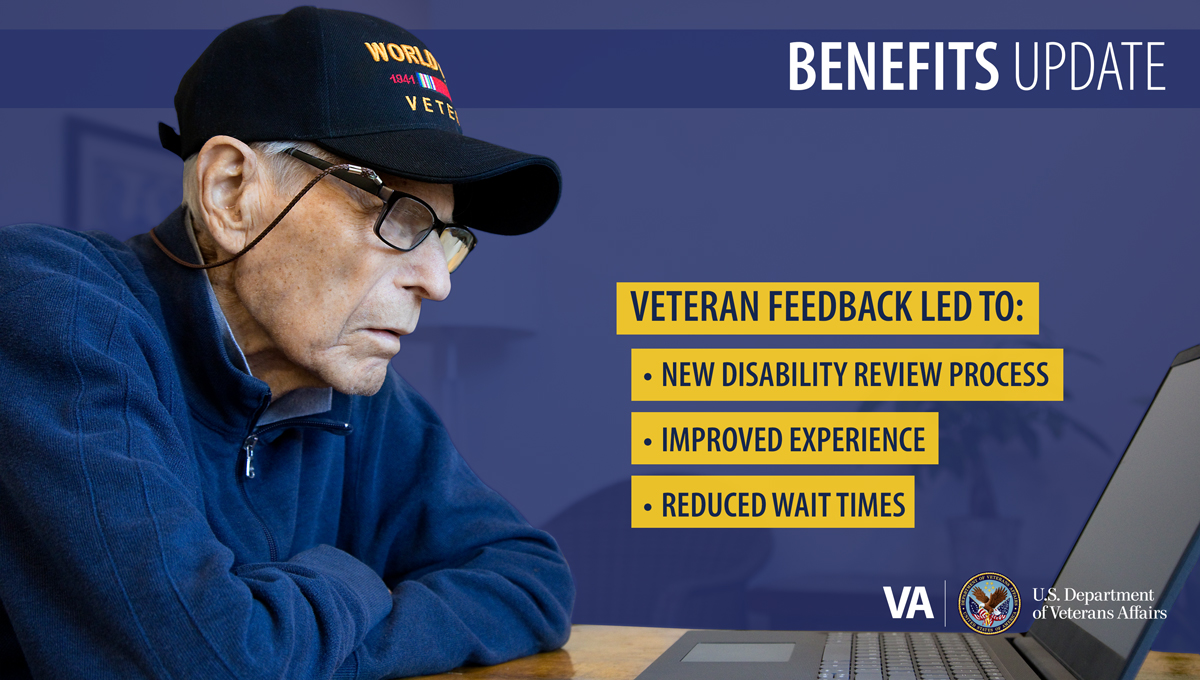
Veterans filing disability claims have said they want choices and faster decisions. Due to improvements in the appeals system and processes, Veterans are now getting more options.
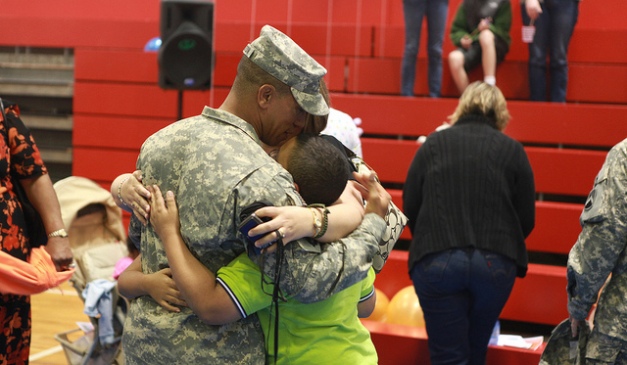
Family members and caregivers often assist their Veterans through the claims and appeals processes by providing invaluable evidence and insight.
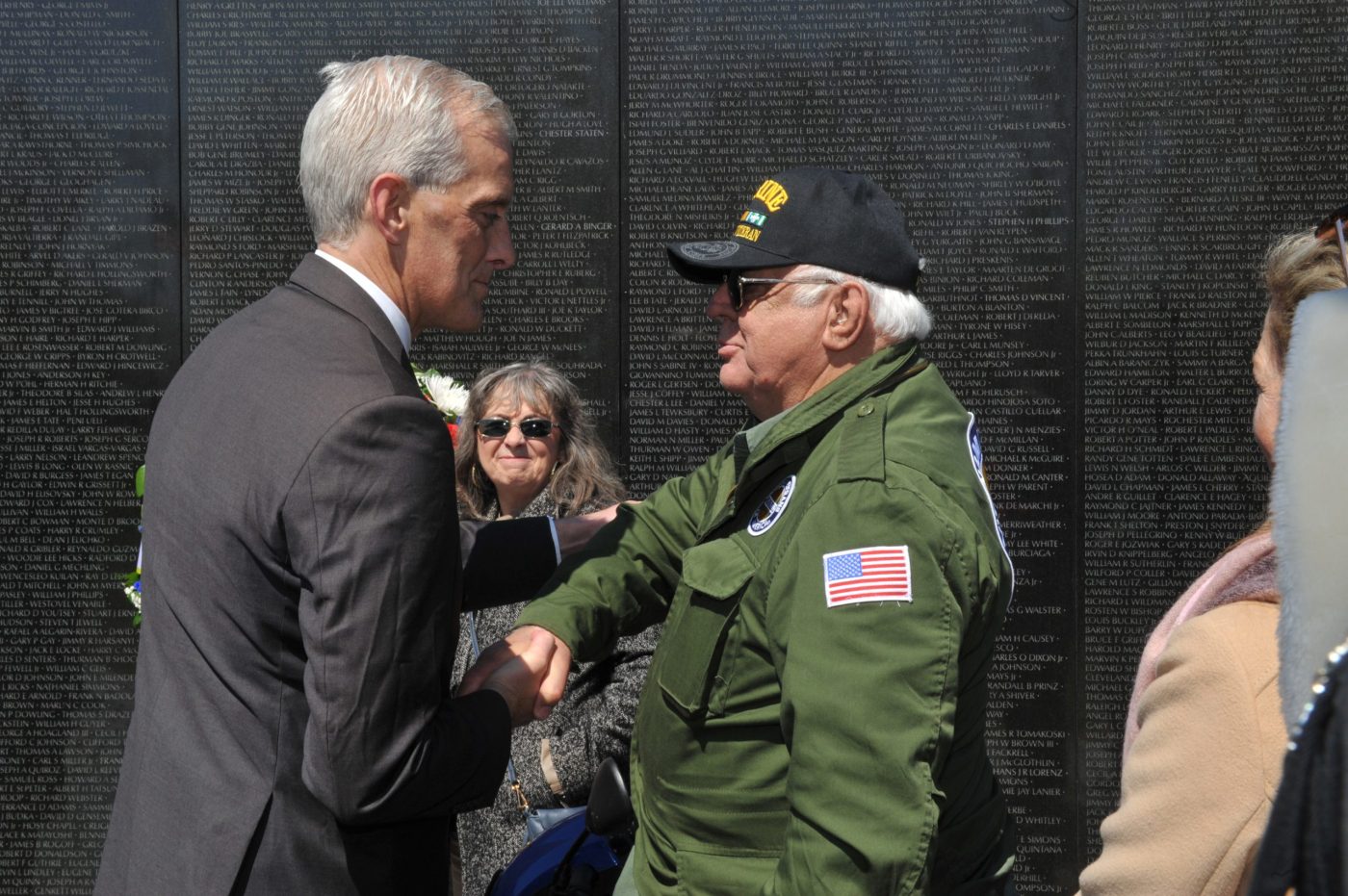
In a special town hall event on Wednesday, Nov. 8, VA Secretary Denis McDonough addressed the top requested concerns from Veterans and their families, caregivers and survivors.

Veterans can now access key VA letters and notices online, including documents outlining the evidence needed to support disability claims, through VA.gov.

VA’s Claim Status Tool allows Veterans to quickly view the status of their VA claim, decision review, or appeal online through VA.gov. It's now better than ever.


Official websites use .gov
A .gov website belongs to an official government organization in the United States.

Secure .gov websites use HTTPS
A lock (
) or https:// means you’ve safely connected to the .gov website. Share sensitive information only on official, secure websites.

We’re here anytime, day or night - 24/7
If you are a Veteran in crisis or concerned about one, connect with our caring, qualified responders for confidential help. Many of them are Veterans themselves.
Get more resources at VeteransCrisisLine.net.