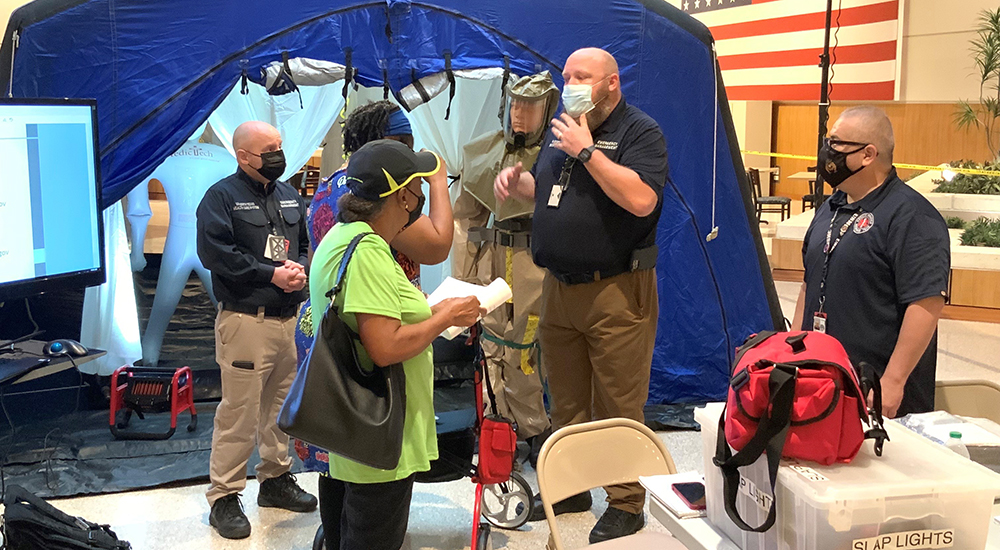
Continuum of care during any disaster or incident is a priority for VA North Texas Health Care Systems’ Office of Emergency Management.
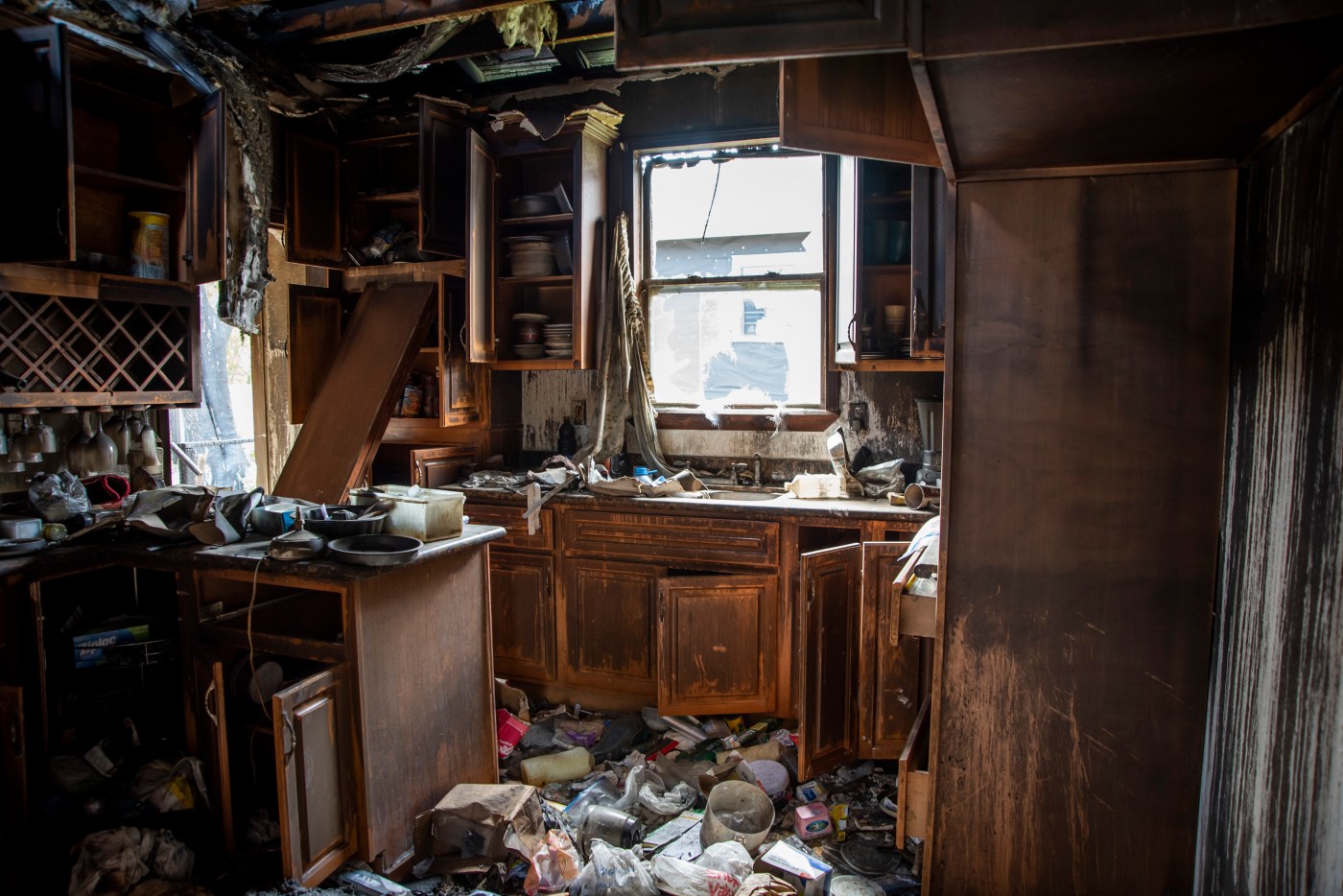
Disaster preparedness can help Veterans, families, caregivers and survivors stay safe by preparing, responding and recovering quickly.
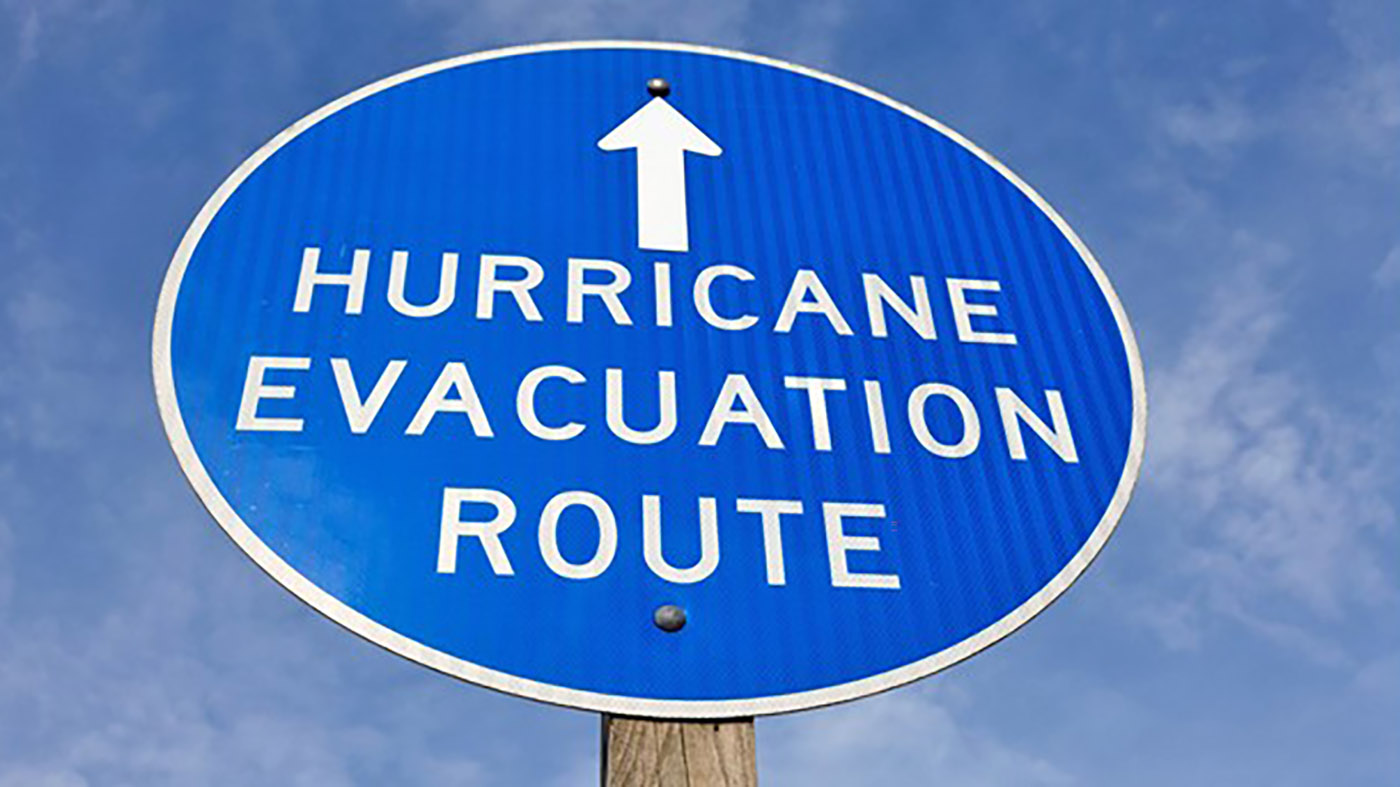
Be prepared and proactive in planning for and responding to hurricanes and other hazards.
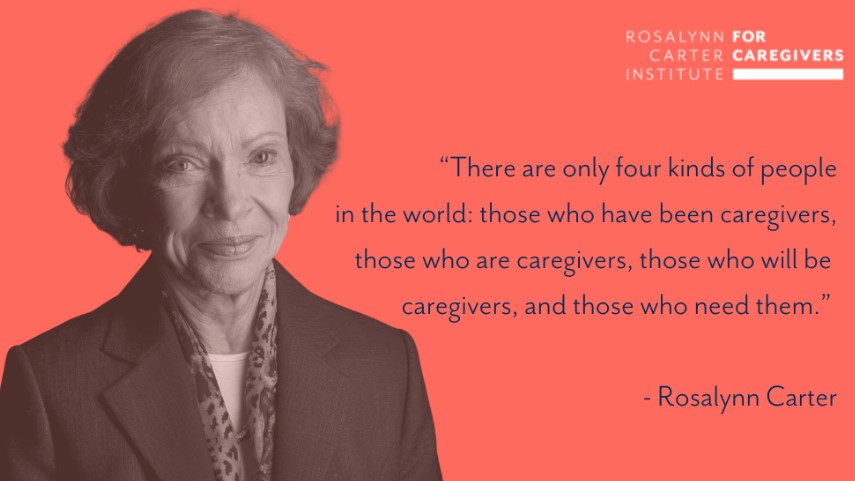
As many of us know firsthand, caregiving can be one of the most rewarding experiences you will ever have, but it can also be one of the most challenging – especially when you are facing an emergency in your home or a disaster in your community. To make matters worse, resources to help families prepare for disasters often lack content that reflects the unique needs of family caregivers, despite the critical role they play in these crises.
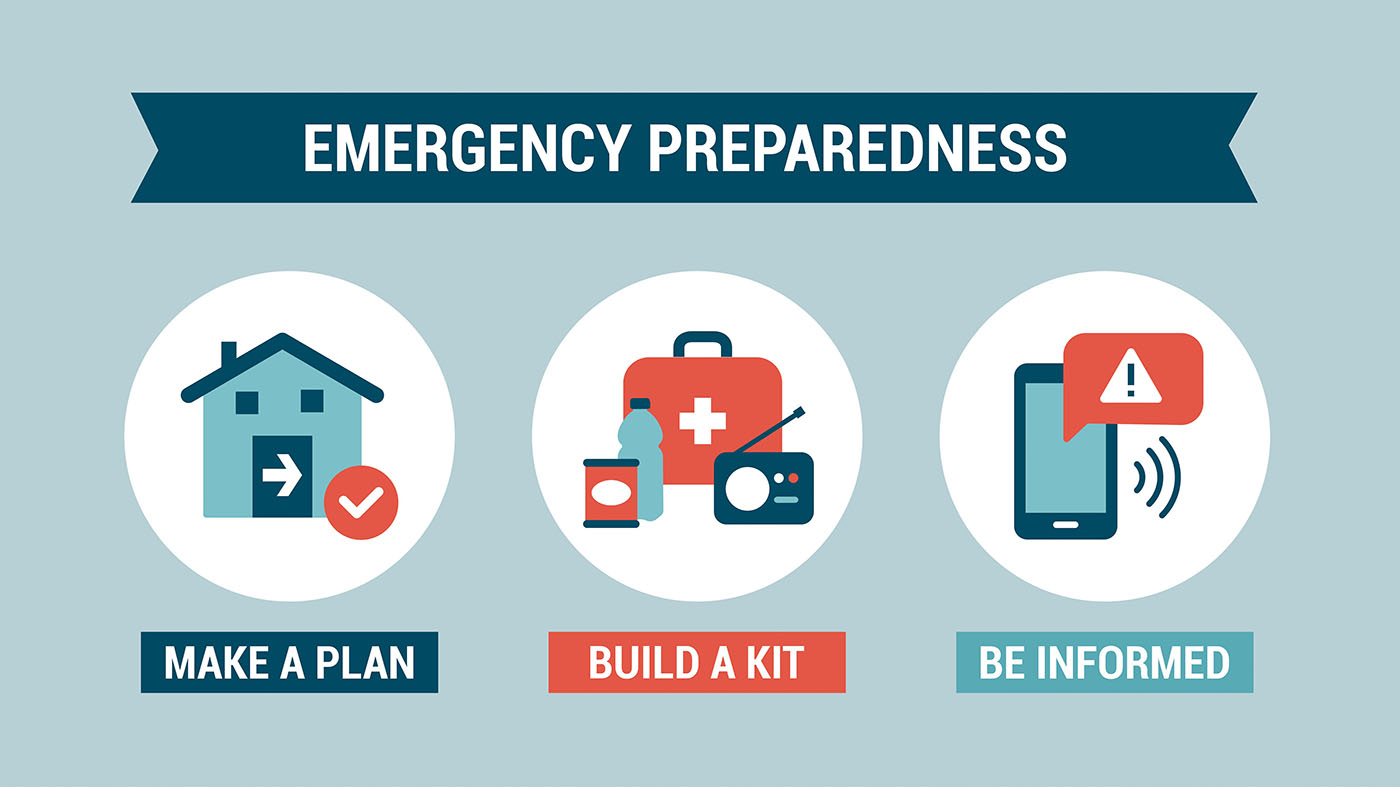
Veterans are encouraged to be prepared for a disaster or emergency in their homes, businesses and communities.
VA Video Connect, My HealtheVet, Remote Monitoring and other virtual tools can help you access VA care in the event of an emergency

Because we’re in hurricane season, it is essential to prepare a care plan to ensure your emergency health needs are met.
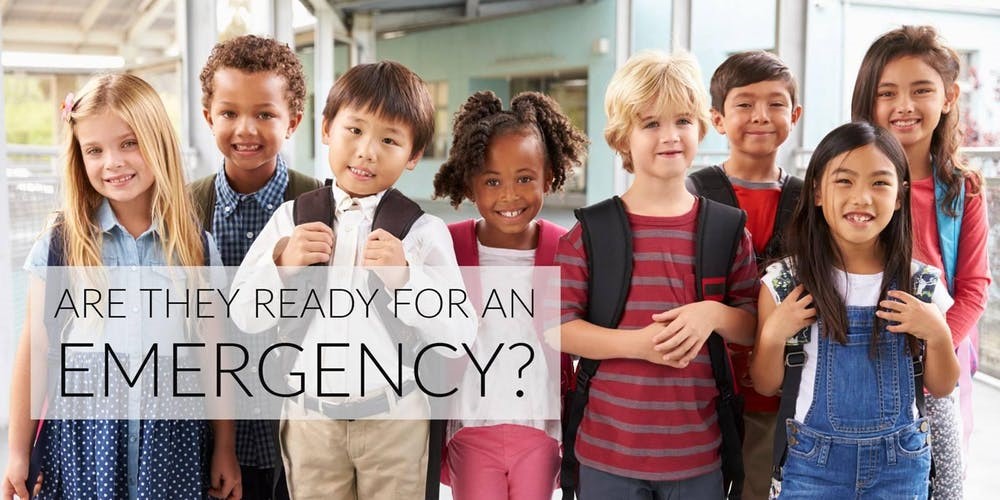
Disasters can leave children and teens frightened, confused and insecure. They cannot adjust on their own when the people, places and routines they depend on for safety and wellbeing are affected by upheaval. Here's how to help them when disaster strikes.
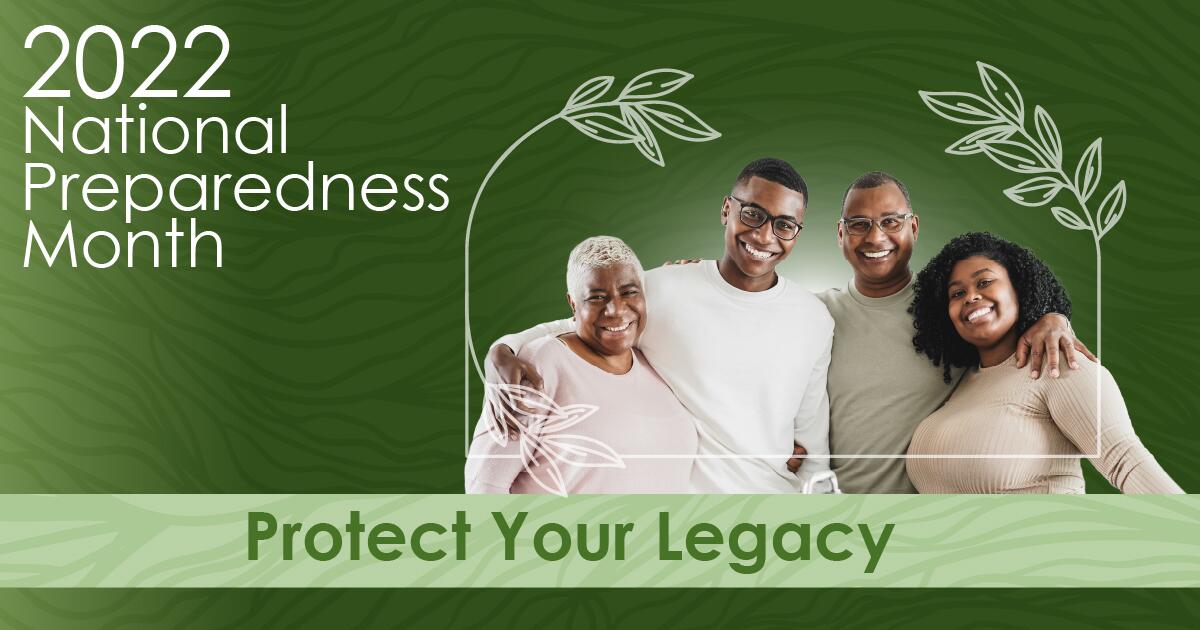
National Preparedness Month occurs each September to raise awareness and strengthen resilience against the effects of disasters and emergencies.
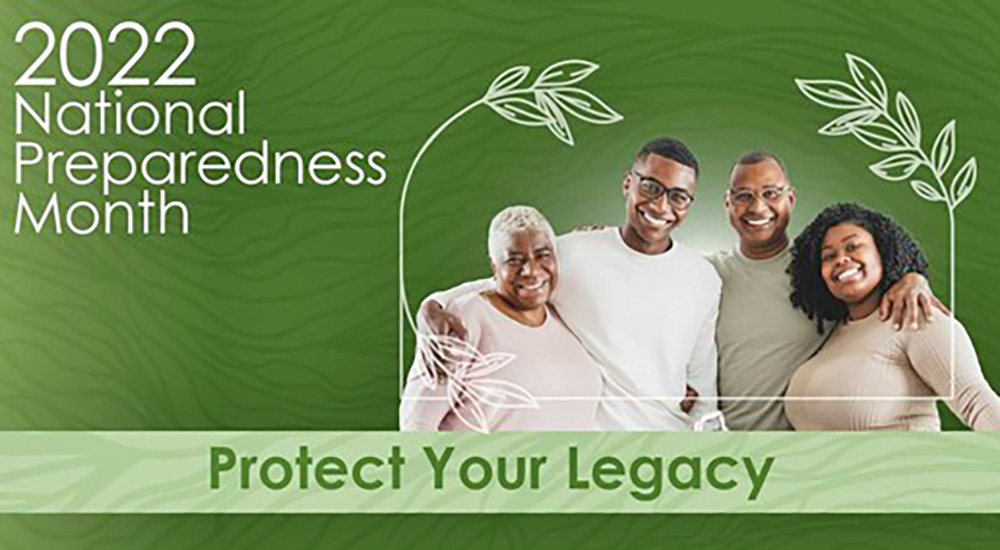
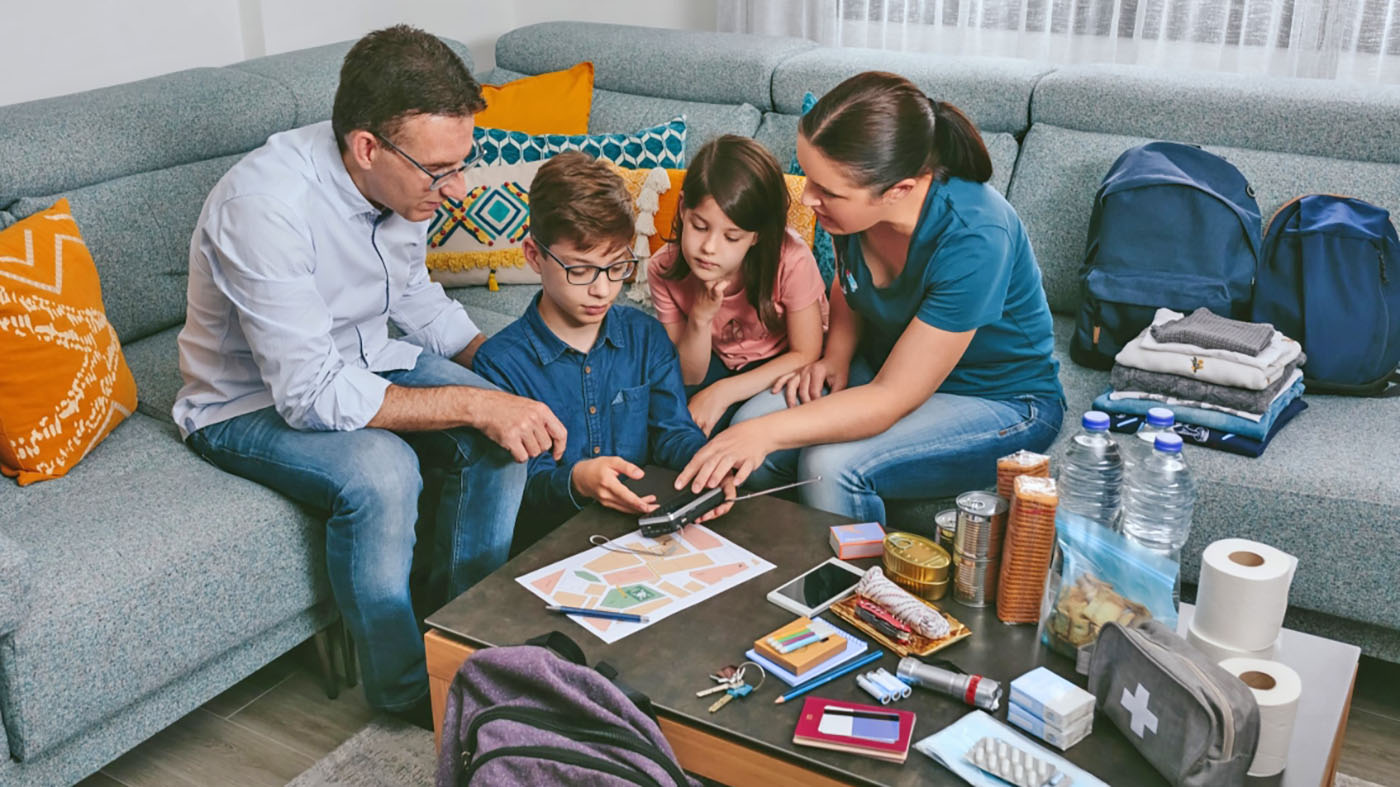
Preparedness for disasters takes prior planning. Here is valuable information to help you know what to do before, during and after an emergency.
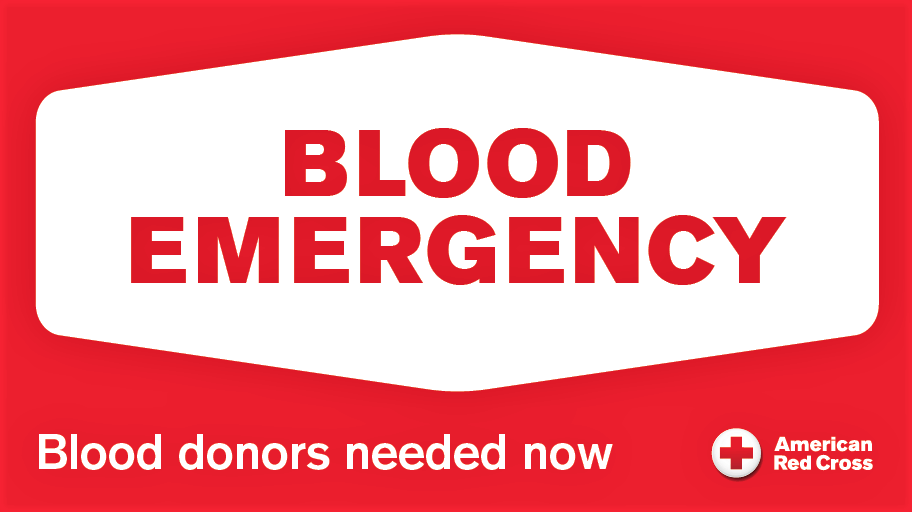
The American Red Cross has seen a shortfall of about 25,000 blood donations in the first two months of the summer, which makes it hard to keep hospital shelves stocked with lifesaving blood products. By making an appointment to give blood or platelets in August, donors can keep the national blood supply from falling to shortage levels.
VA Video Connect, My HealtheVet, and other virtual tools can help you access VA care in case of a hurricane or natural disaster.


Official websites use .gov
A .gov website belongs to an official government organization in the United States.

Secure .gov websites use HTTPS
A lock (
) or https:// means you’ve safely connected to the .gov website. Share sensitive information only on official, secure websites.

We’re here anytime, day or night - 24/7
If you are a Veteran in crisis or concerned about one, connect with our caring, qualified responders for confidential help. Many of them are Veterans themselves.
Get more resources at VeteransCrisisLine.net.