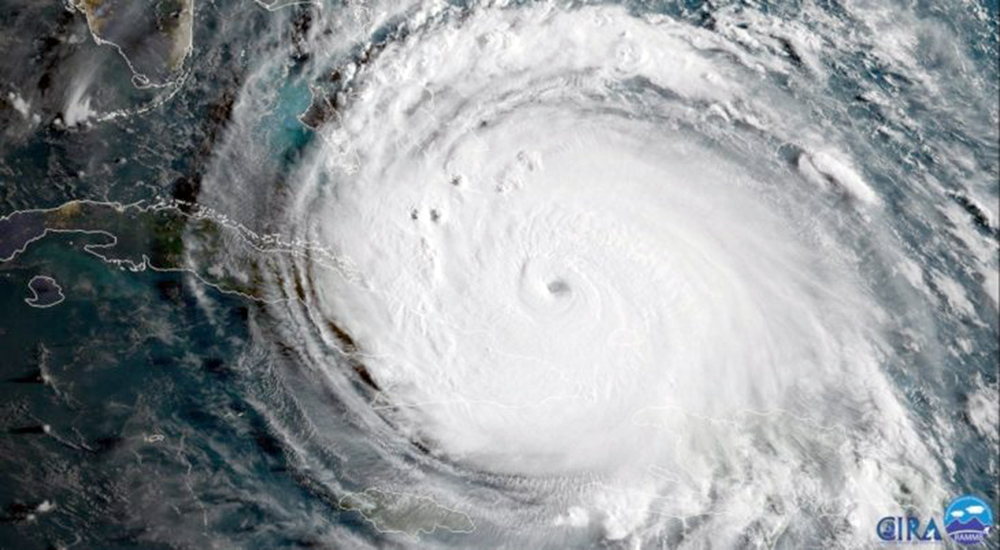
Each September, we raise awareness about the importance of preparing for emergencies that can happen at any time with little or no warning. September 25-30 is the last week of the annual National Preparedness Month.
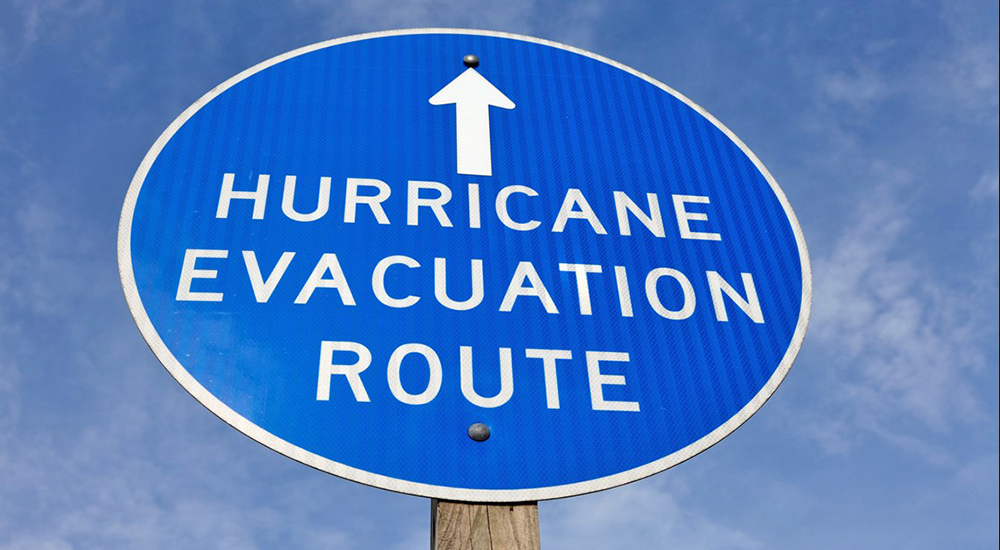
Information about hurricane season and what you can do to be ready. Make important decisions about your family's safety and prepare a plan now.
Earthquakes and aftershocks can happen anywhere without warning and at any time of the year. All 50 states, five U.S. territories and the District of Columbia are at some risk. The info below can help you build out your earthquake preparedness kit and plans before the next one strikes.
In this four-part series on VA Emergency Preparedness Simulation efforts, you will learn about simulation and emergency preparedness at VA.
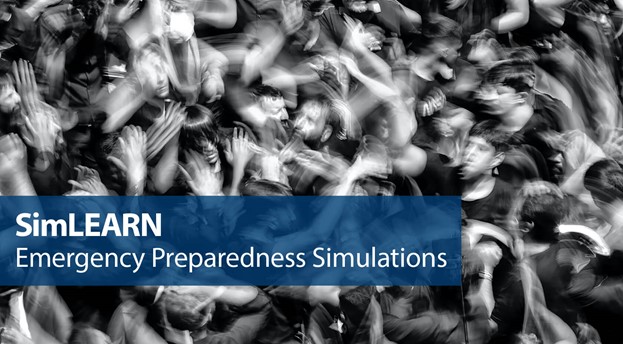
A four-part series on Department of Veteran Affairs Emergency Preparedness Simulation efforts through SimLEARN.
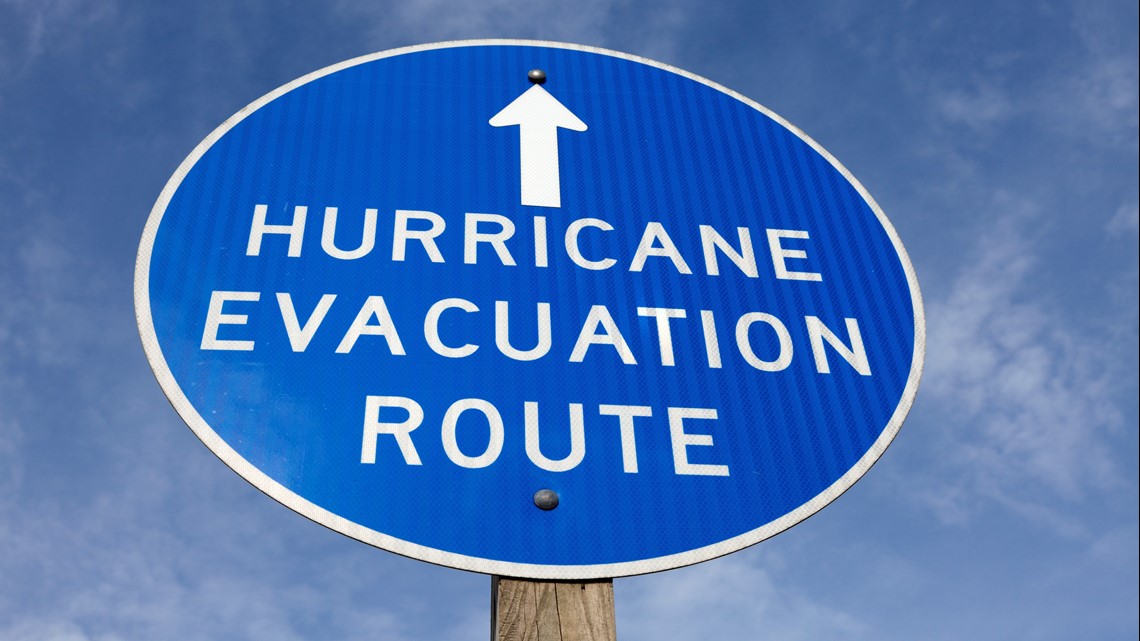
Whether the prediction is for a mild or active hurricane season, testing preparation plans and Being Prepared, Being Ready, is prudent.
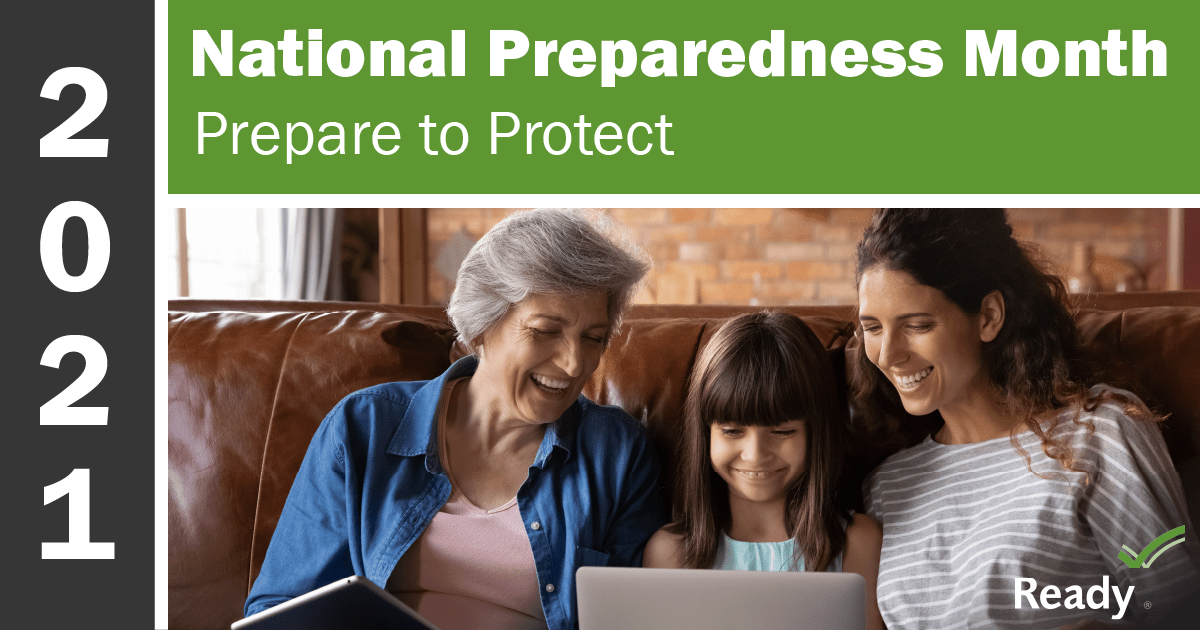
Every year, the United States observes National Preparedness Month in September to remind Americans to be ready for any disaster that could affect them and their homes, communities and businesses. This month, we must each do our part — we must all prepare to protect
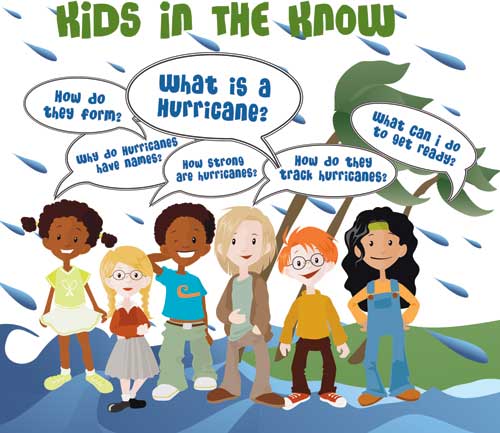
Children can suffer developmental and psychological setbacks following disaster or other emergencies. It's never too late to begin teaching preparedness!
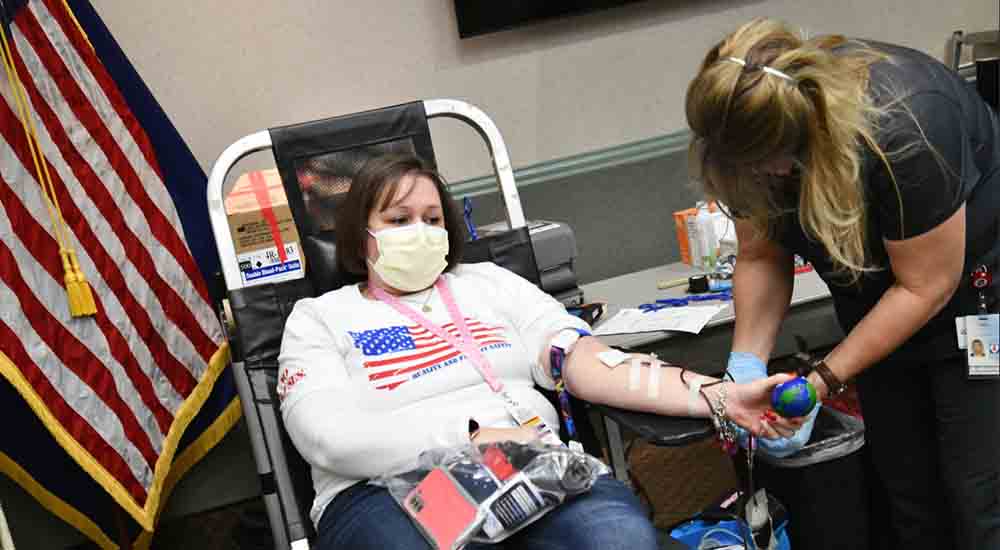
As part of its support to the community during the pandemic, Amarillo VA’s next 4th Mission Blood drive is scheduled for Feb. 25.
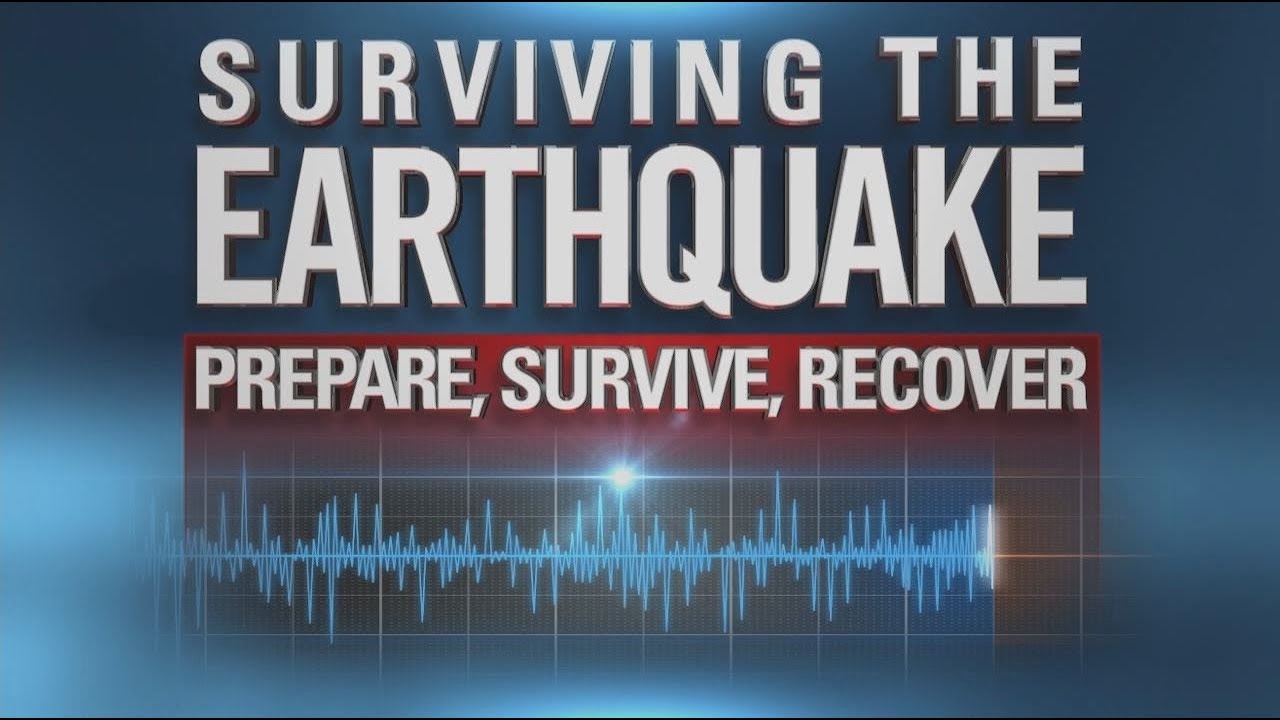
Here are the steps to stay safe before, during and after an earthquake. These tips will make you, your family or your workplace better prepared to survive and recover quickly.
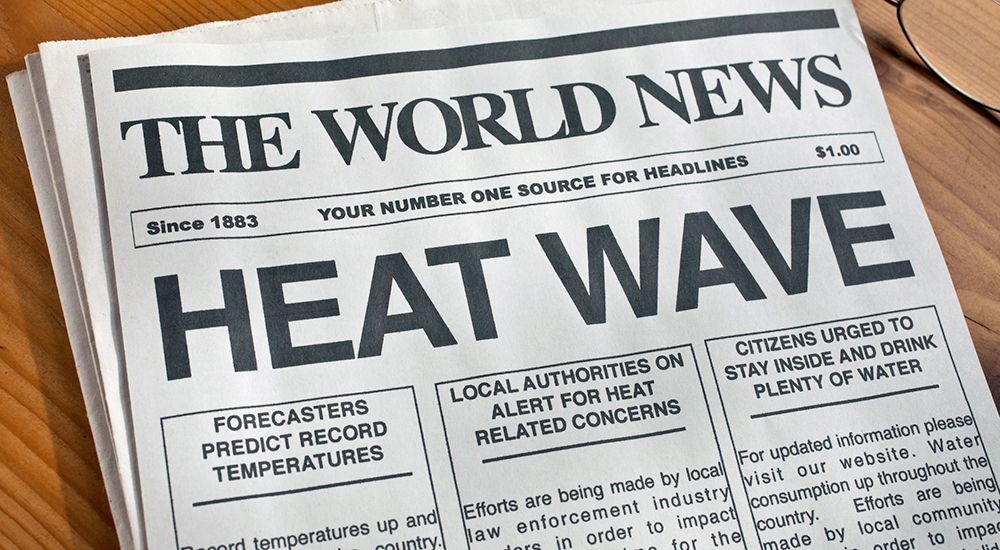
Statistics show that heat kills more people, on average, than any other weather-related hazard. Please be mindful of you and your loved one’s safety (that includes the 4-legged members of your family).
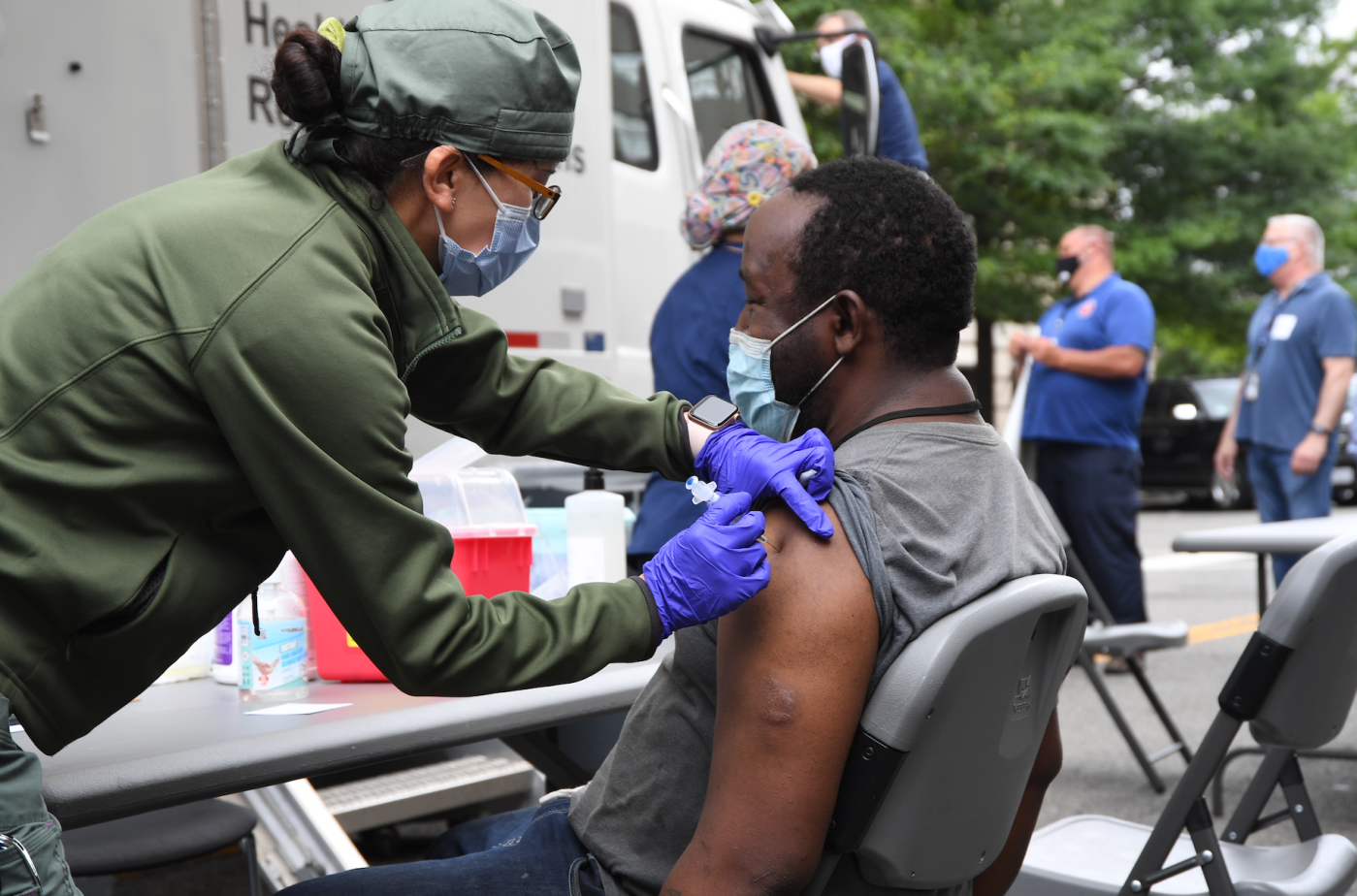
In addition to vaccinating Veterans, VA has offered the vaccine to non-Veterans as part of the Fourth Mission, which includes providing support for national, state and local efforts during public health and other emergencies. This support was evident on June 3, when VA held a COVID-19 vaccination clinic outside its Central Office in Washington, D.C., for anyone — not just Veterans — experiencing homelessness.


Official websites use .gov
A .gov website belongs to an official government organization in the United States.

Secure .gov websites use HTTPS
A lock (
) or https:// means you’ve safely connected to the .gov website. Share sensitive information only on official, secure websites.

We’re here anytime, day or night - 24/7
If you are a Veteran in crisis or concerned about one, connect with our caring, qualified responders for confidential help. Many of them are Veterans themselves.
Get more resources at VeteransCrisisLine.net.