Preparedness for disasters takes prior planning. Here is valuable information to help you know what to do before, during and after an emergency.
National Preparedness Month occurs each September to raise awareness and strengthen resilience against the effects of disasters and emergencies.
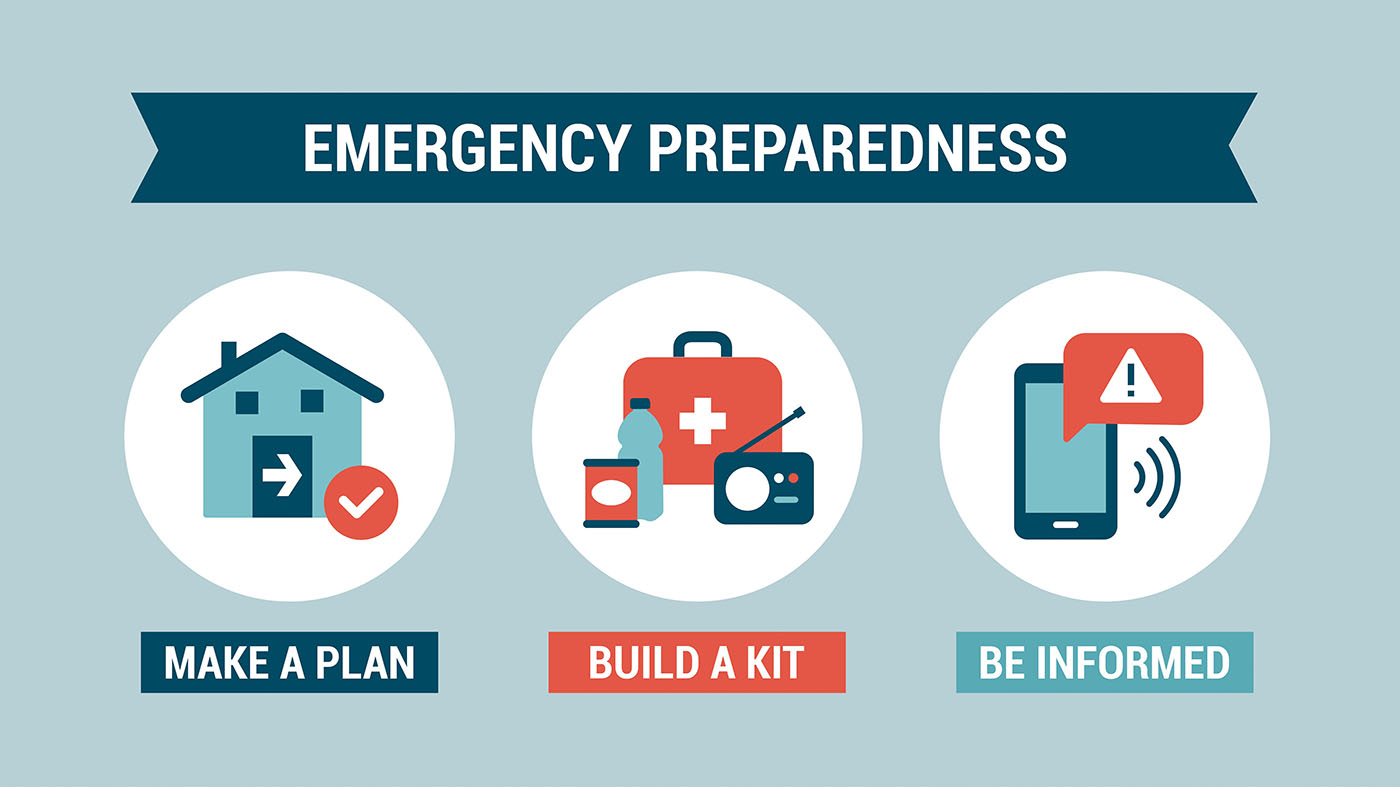
Veterans are encouraged to be prepared for a disaster or emergency in their homes, businesses and communities.
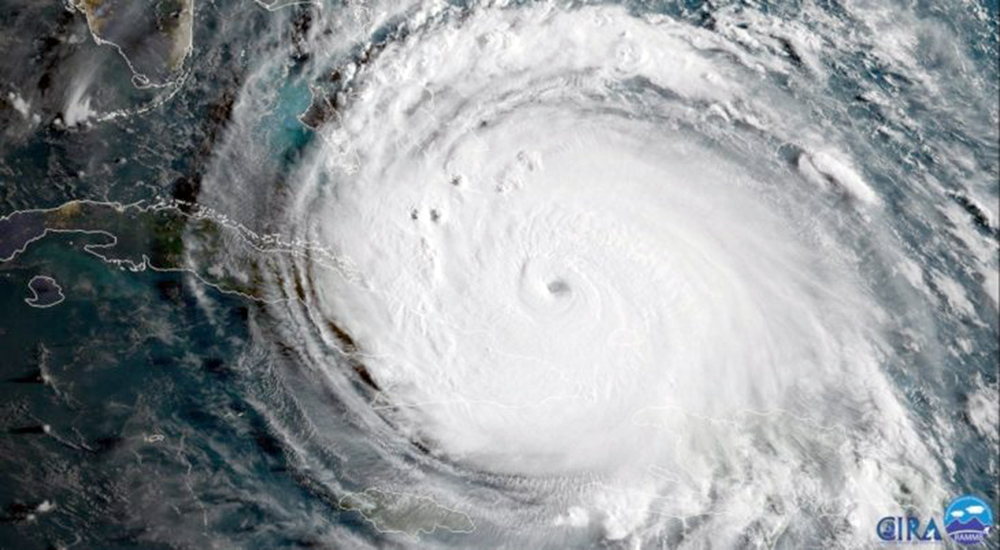
Each September, we raise awareness about the importance of preparing for emergencies that can happen at any time with little or no warning. September 25-30 is the last week of the annual National Preparedness Month.
Every year, the United States observes National Preparedness Month in September to remind Americans to be ready for any disaster that could affect them and their homes, communities and businesses. This month, we must each do our part — we must all prepare to protect
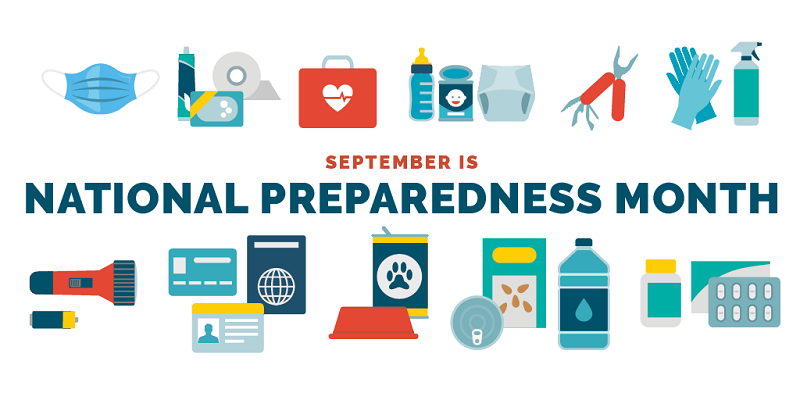
National Preparedness Month (NPM) is recognized each September to promote family and community disaster planning – for now and throughout the year. As our nation continues to respond to current disasters (pandemic, fires, floods, hurricanes), there is no better time than now to create your preparedness plan.
The American Red Cross has seen a shortfall of about 25,000 blood donations in the first two months of the summer, which makes it hard to keep hospital shelves stocked with lifesaving blood products. By making an appointment to give blood or platelets in August, donors can keep the national blood supply from falling to shortage levels.
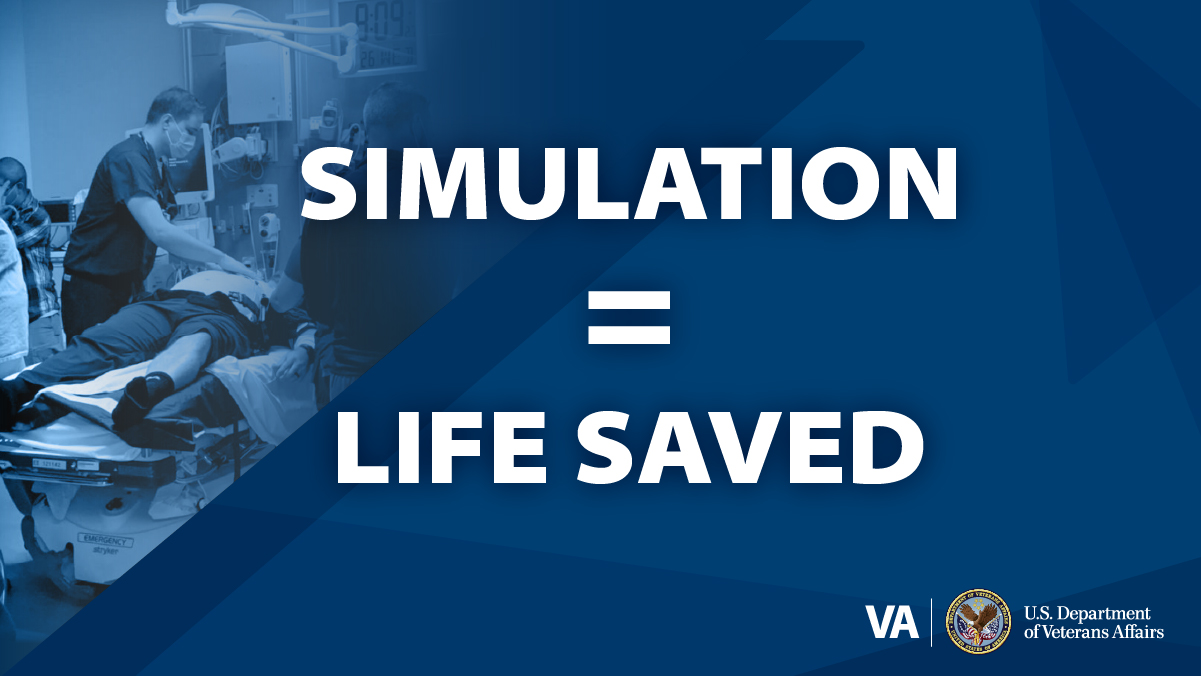
VA simulation training helps prepare staff for any and all possibilities, and, as MVAHCS recently underwent a comprehensive GSW simulation training, staff were prepared.
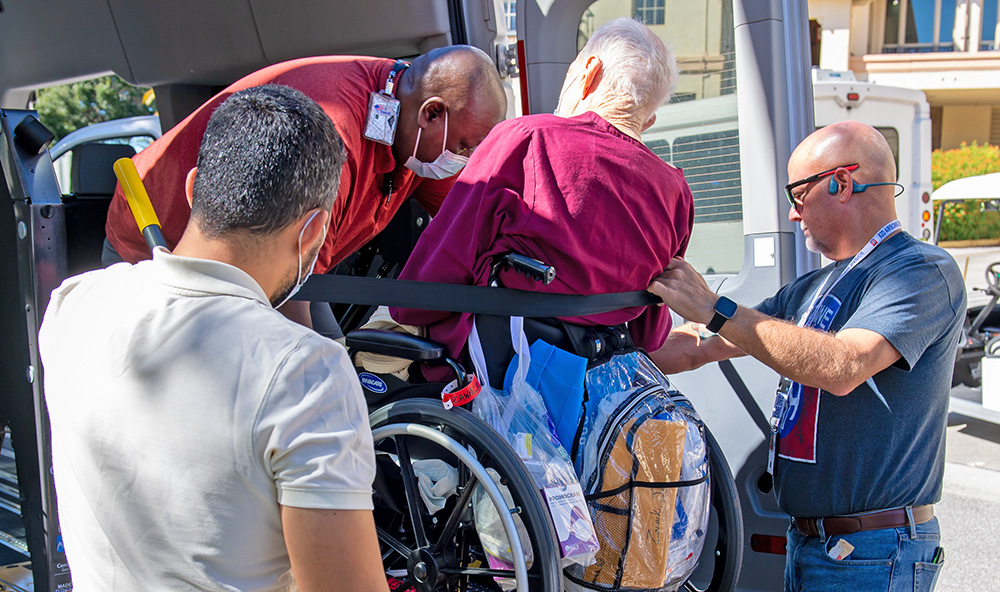
VA’s Sunshine Healthcare Network took quick action in response to Hurricanes Fiona and Ian including contacting more than 10,000 vulnerable Veterans.

Face of InnoVAtion is a regular series focusing on VA employees working to change and save Veteran lives. This month, meet David Dunning.
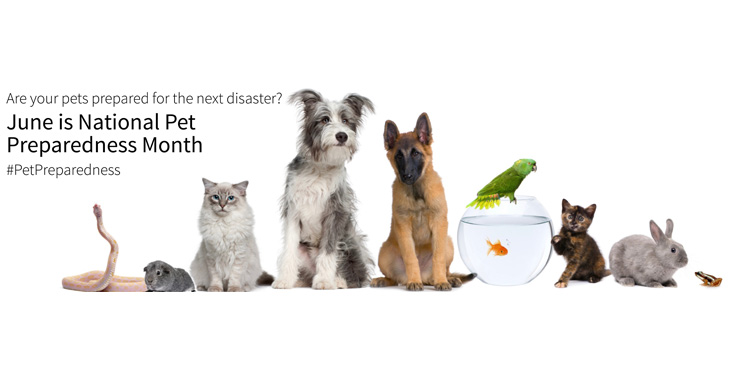
June is National Pet Preparedness Month. Did you remember to include your pet/service animal in your hurricane preparedness plan? Don’t leave your best friend stranded during a weather emergency.
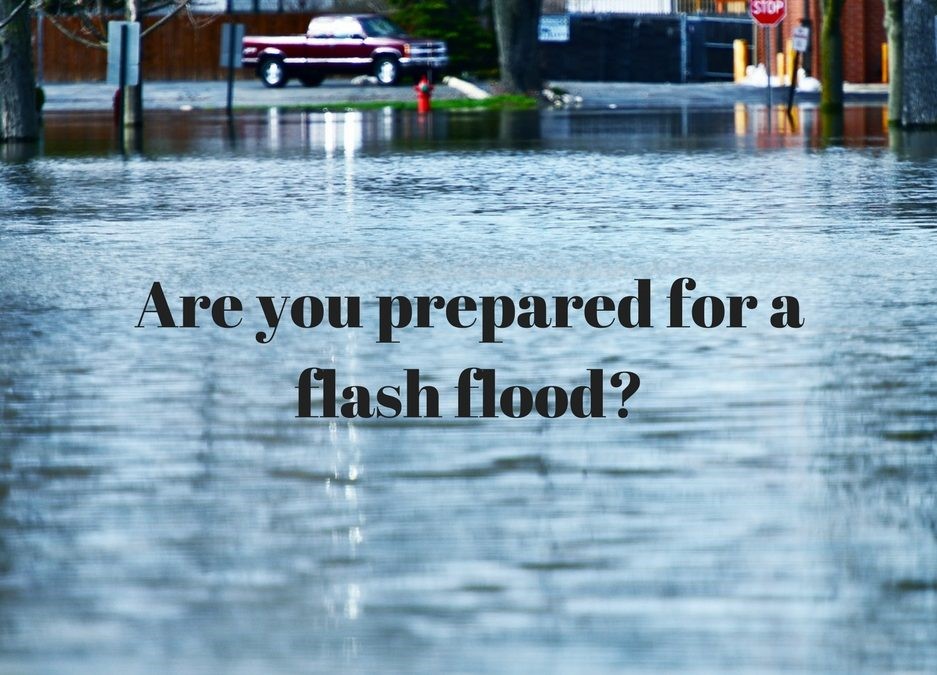
While early spring can be a welcome break from winter weather, it brings with it an increased risk of floods. They are among the most frequent and costly natural disasters that occur each year.


Official websites use .gov
A .gov website belongs to an official government organization in the United States.

Secure .gov websites use HTTPS
A lock (
) or https:// means you’ve safely connected to the .gov website. Share sensitive information only on official, secure websites.

We’re here anytime, day or night - 24/7
If you are a Veteran in crisis or concerned about one, connect with our caring, qualified responders for confidential help. Many of them are Veterans themselves.
Get more resources at VeteransCrisisLine.net.