
Hear from VA Deputy Chief Information Security Officers as they give insights on what the Veteran community should know about online safety—including tips to keep your family and loved ones safe online.

Online shopping scams are the riskiest scam for Veterans, with 77.3% of reports confirmed losing money when targeted by this scam.

Social Media shops are available on every major platform. Knowing the privacy risks of online shopping can help you stay safe this holiday season.
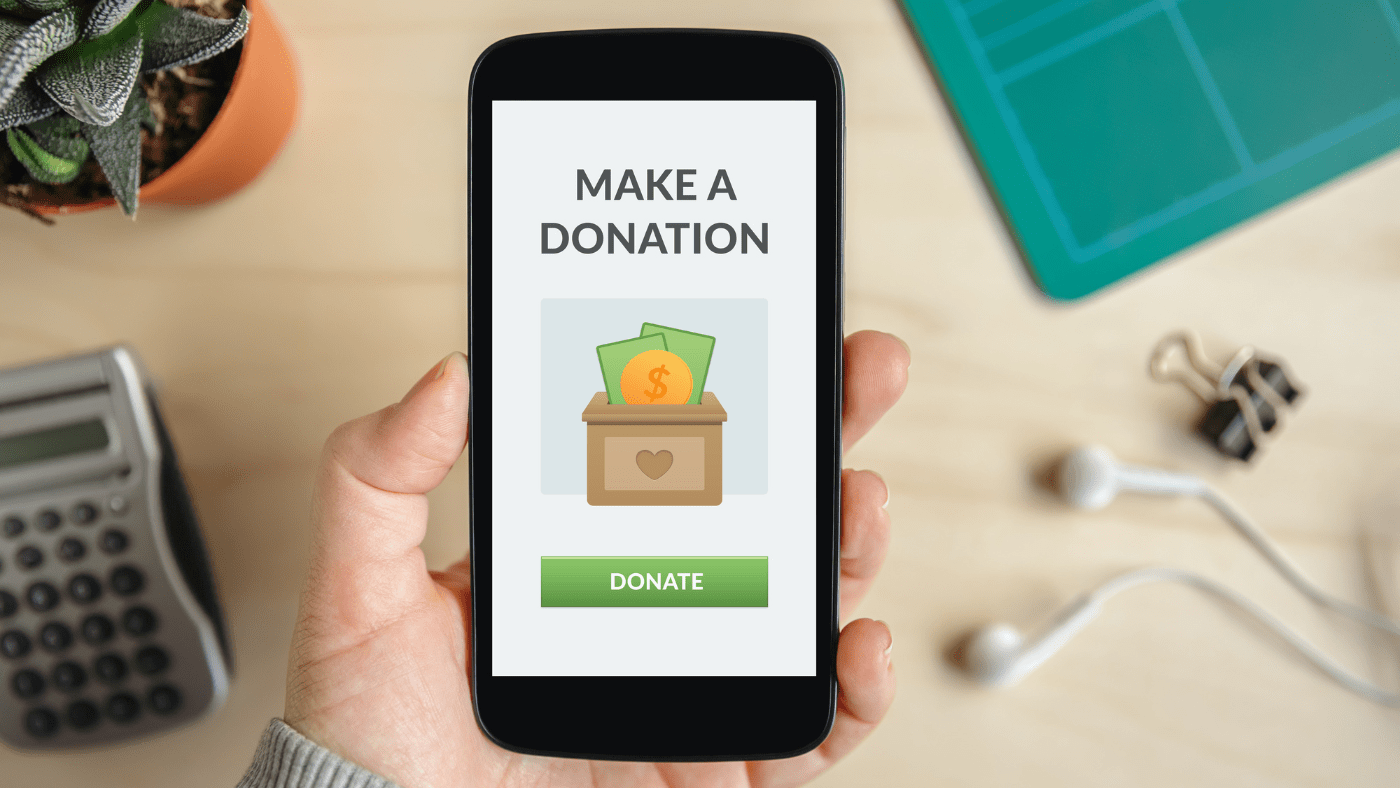
For Veterans, donating to charities—especially those that support fellow service members—feels like a meaningful way to give back to the community. However, Veterans and their loved ones must remain vigilant and learn to protect themselves from charity scams.

QR codes are versatile for storing and sharing information quickly. As this trend rises, so do the chances of scams and fraudulent activity through QR codes.

Now more than ever, it is important to understand how to identify tax scams, how to protect yourself, get help and report.

As you get ready for the holidays, keep online safety in mind to avoid any unwanted surprises.
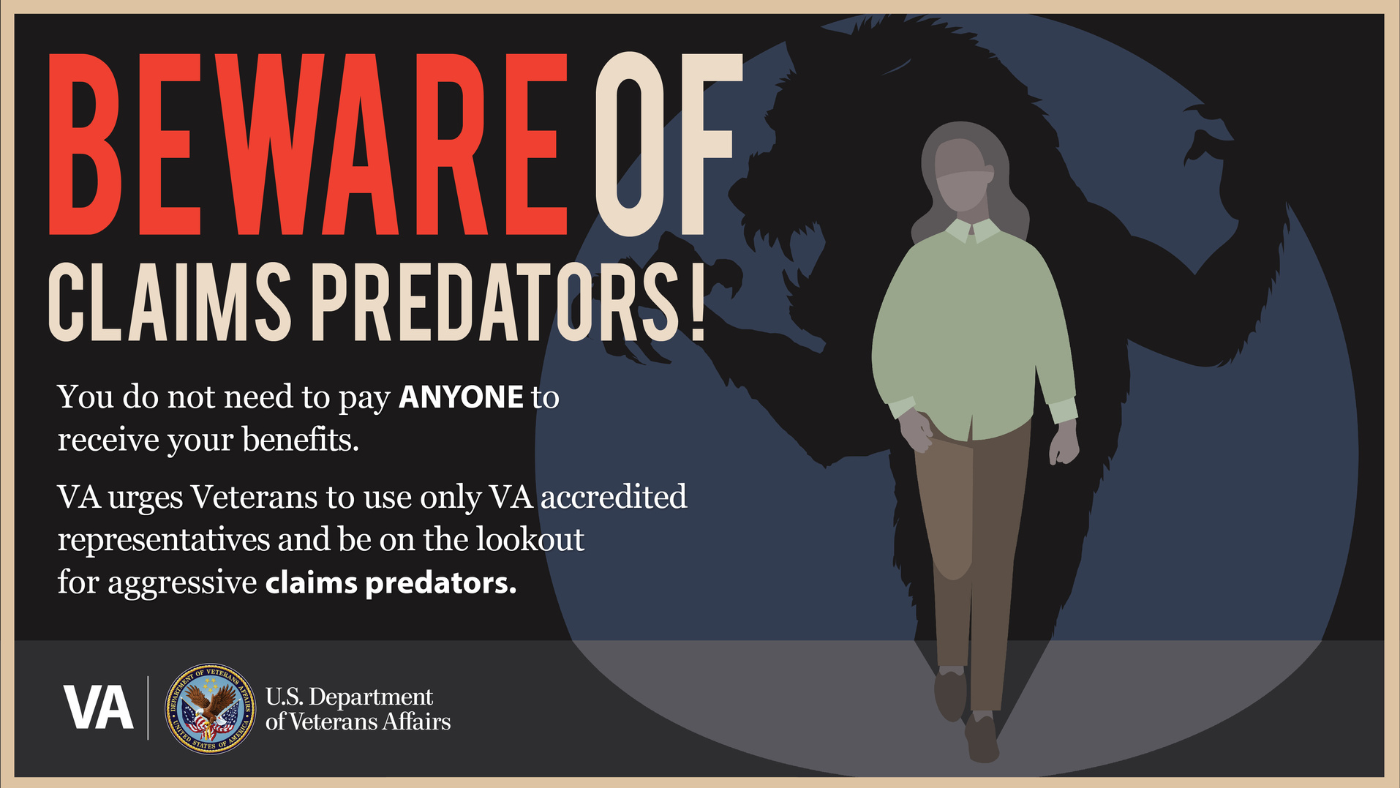
Claims predators are a serious concern, but with proper knowledge and vigilance, Veterans can defend themselves against such aggressive exploitative tactics.

As technology advances, scammers are becoming smarter. Here's how to protect yourself.

On World Homeless Day, it is important to acknowledge the critical housing challenges Veterans face coupled with the growing issue of rental listing scams.
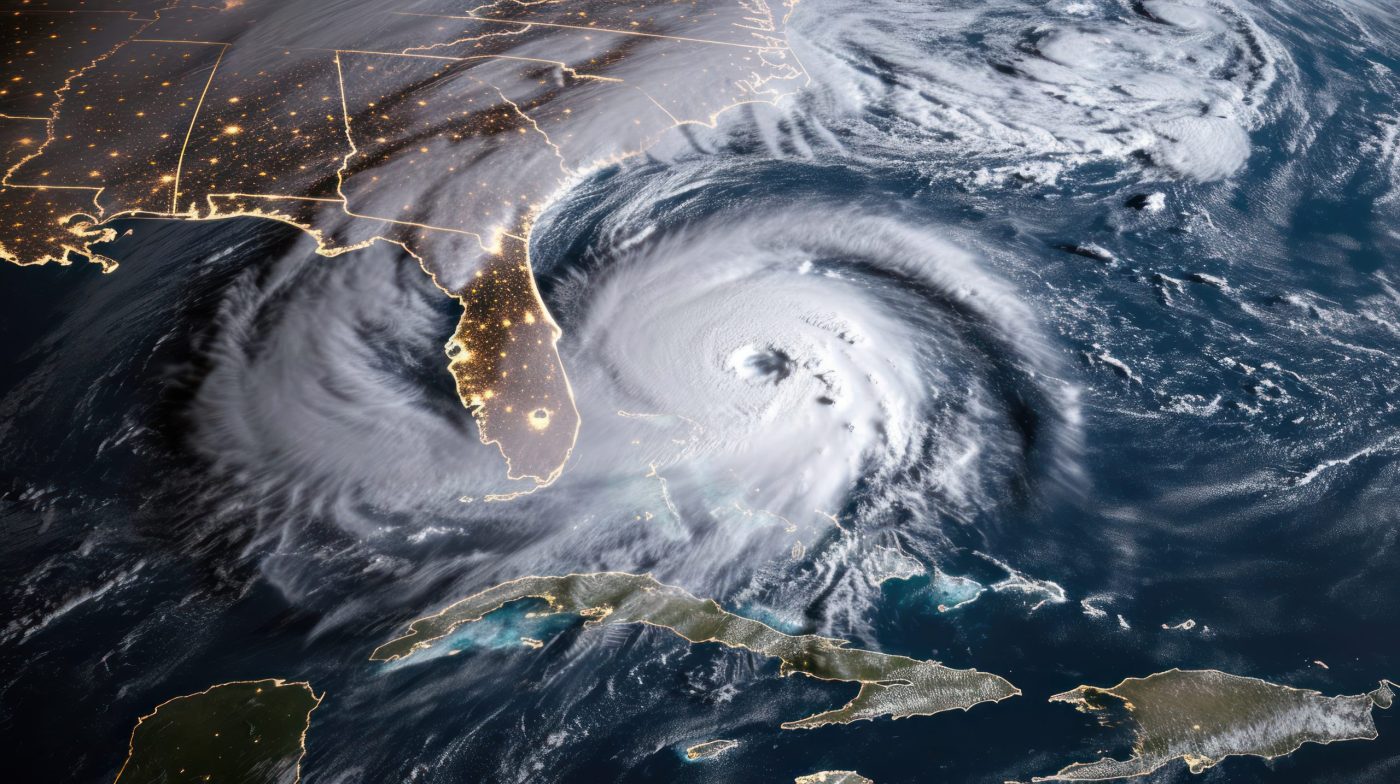
Si necesita ayuda para determinar a dónde ir para recibir atención o cuidado o tiene preguntas sobre los recursos de VA disponibles, llame al 1-800-MyVA411 (1-800-698-2411).
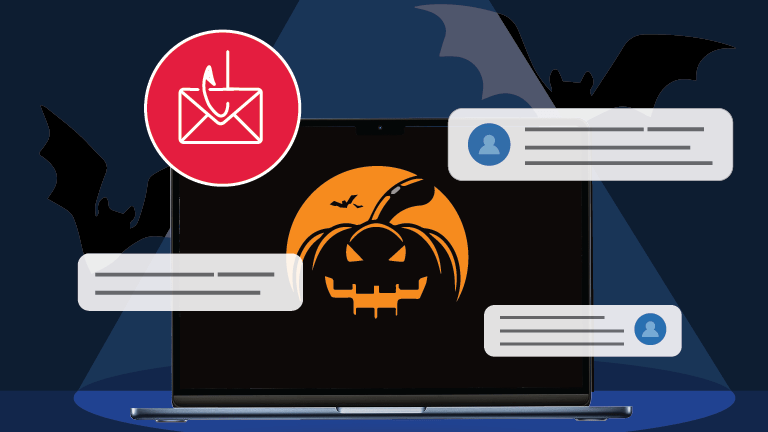
There are always spooky online scammers ready to play tricks on you—not just in October. Read on to learn how to protect yourself from online phantoms.


Official websites use .gov
A .gov website belongs to an official government organization in the United States.

Secure .gov websites use HTTPS
A lock (
) or https:// means you’ve safely connected to the .gov website. Share sensitive information only on official, secure websites.
We’re here anytime, day or night - 24/7
If you are a Veteran in crisis or concerned about one, connect with our caring, qualified responders for confidential help. Many of them are Veterans themselves.
Get more resources at VeteransCrisisLine.net.

VA News
An official website of the U.S. Department of Veterans Affairs
- VA.gov
- ChooseVA
- DiscoverVA
- DigitalVA
- VA Outreach Events
- VA Forms
- VA Publications
- About VA
- VA mobile apps
- Accessibility at VA
- No FEAR Act data
- Whistleblower Protection
- Office of the Inspector General
- VA plans, budget, finances, and performance
- Agency Financial Report
- Privacy policy
- FOIA requests
- Disclaimers
- Open data
- Vulnerability disclosure policy
- Copyright policy
Looking for U.S. government information and services? Visit USA.gov