Dr. Mark Logue details his research connecting PTSD and TBI with Alzheimer’s and dementia genetic risk in Veterans.

Importantly, the investigators went on to identify two FDA-approved medications that could obstruct the dangerous process. They say these drugs could suggest new directions in TBI and Alzheimer’s research and treatment.
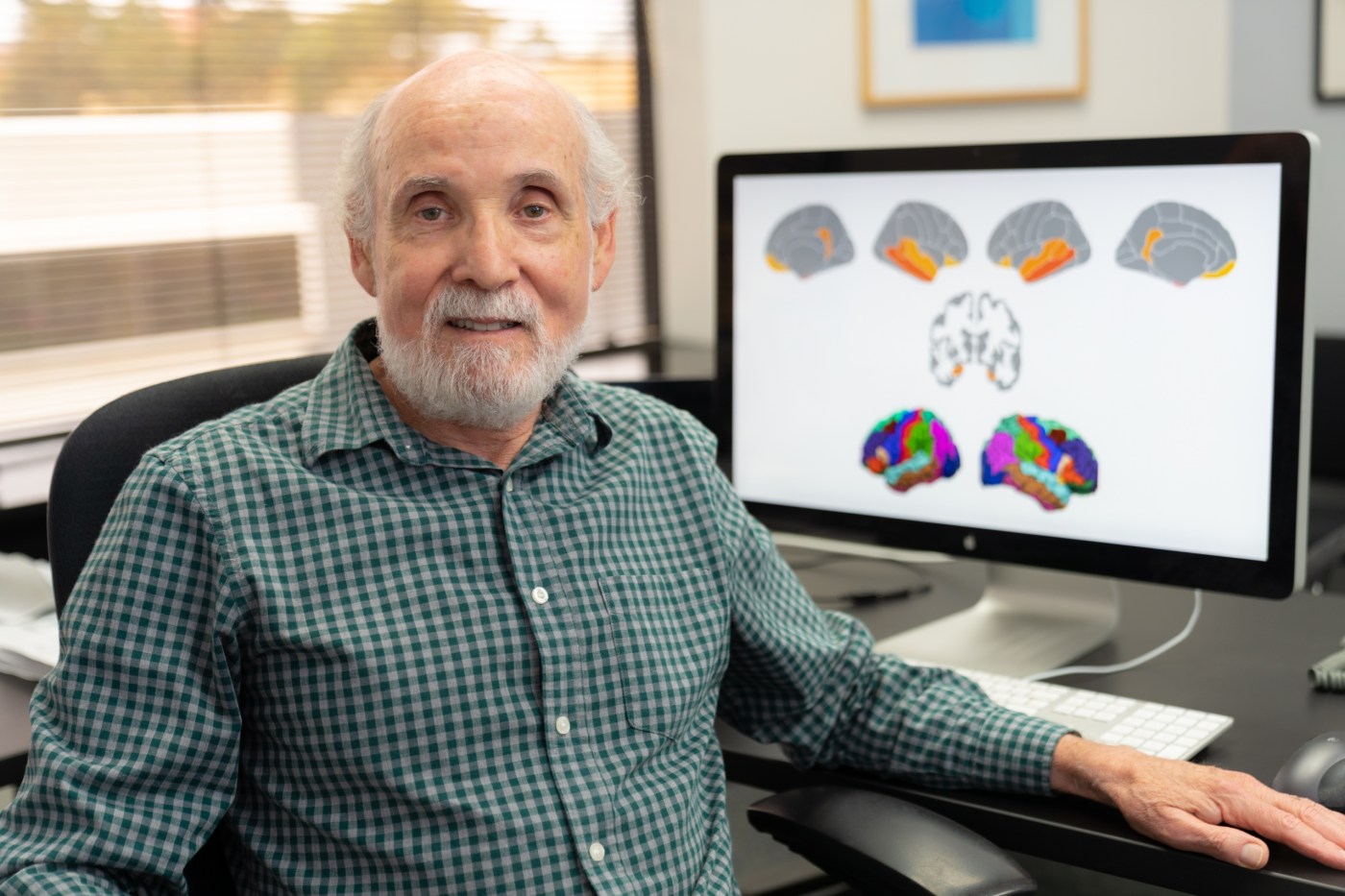
In a secondary analysis, Kremen and his colleagues looked at brain images while controlling for the effects of general aging. They observed that the Alzheimer’s-related brain regions remained as significant predictors, suggesting that the effect was not simply due to general aging.
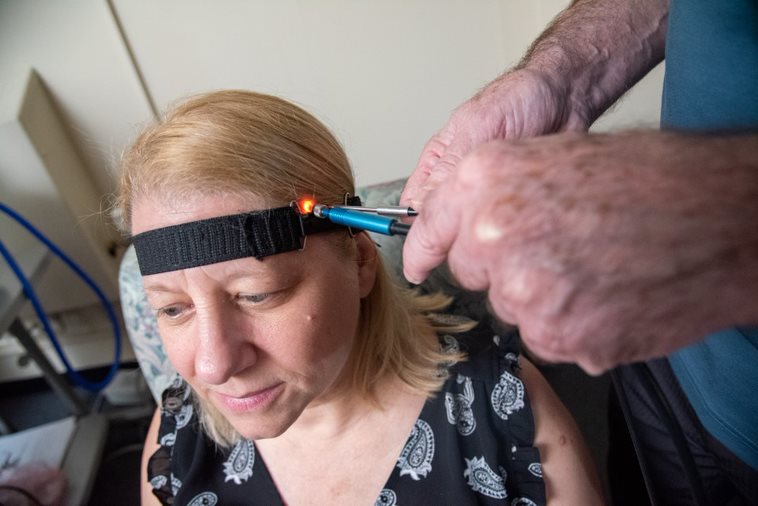
This scanning method could become a simple, completely non-invasive method of early Alzheimer’s detection, according to the researchers, and also has potential as a way to assess the effectiveness of treatment.
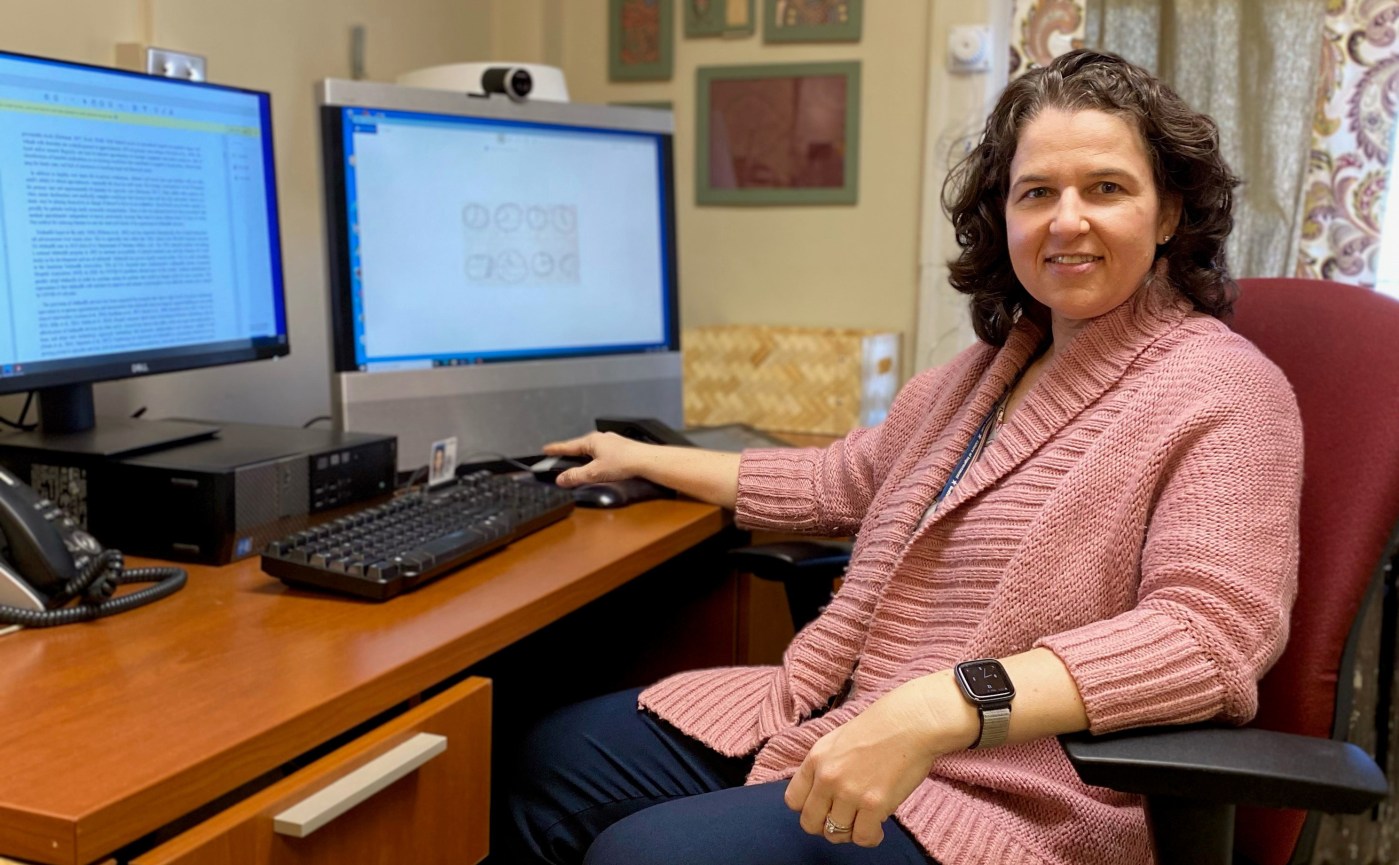
“VA has been investing in telehealth for years, so the necessary equipment and infrastructure was there,” Kraft says. “It just seemed like it was meant to be. The need was there, the resources and support were there, and the motivation was there.”
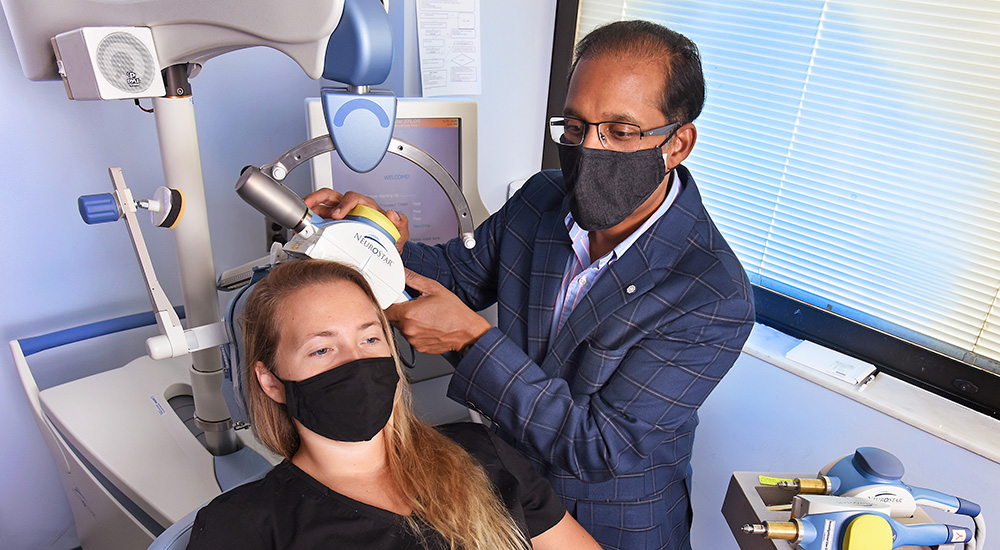
Preventing or treating Alzheimer’s a priority for VA research. One recent study focused on apathy, a common behavioral problem in those with Alzheimer’s. Doctor enthusiastic about therapy’s potential.

Alzheimer’s disease is the most common form of dementia. Dementia can affect memory and actions. Two-thirds of Americans with Alzheimer’s disease are women. And they are more than 60% of caregivers.
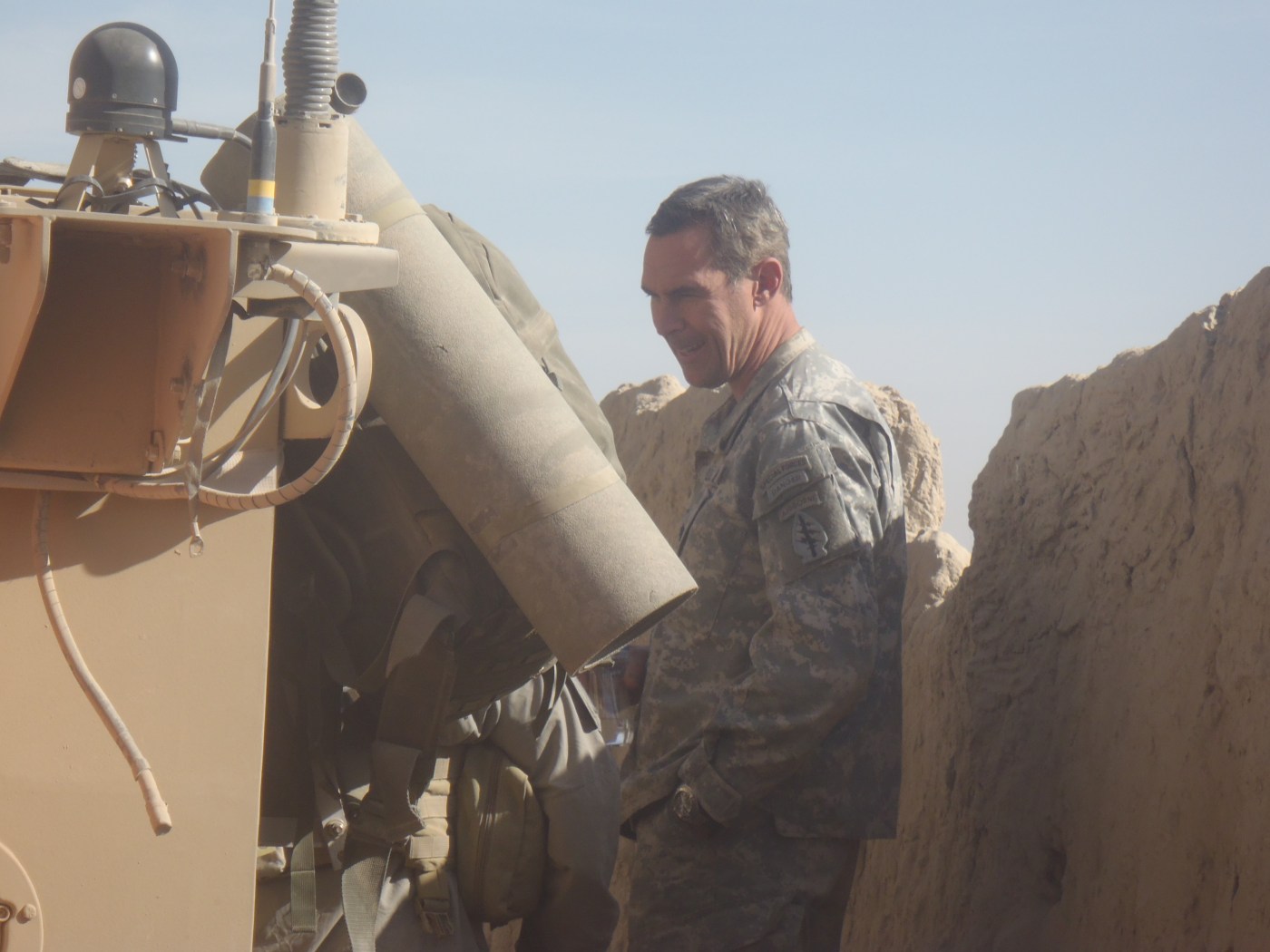
TRACTS, based at the VA Boston Healthcare System, is carrying out one of the most comprehensive VA studies on blast injuries on post-9-11 Veterans.

VA’s Dr. Ann McKee and Dr. Tony Wyss-Coray were recently named to TIME Magazine’s list of the 50 most influential people in health care in 2018.
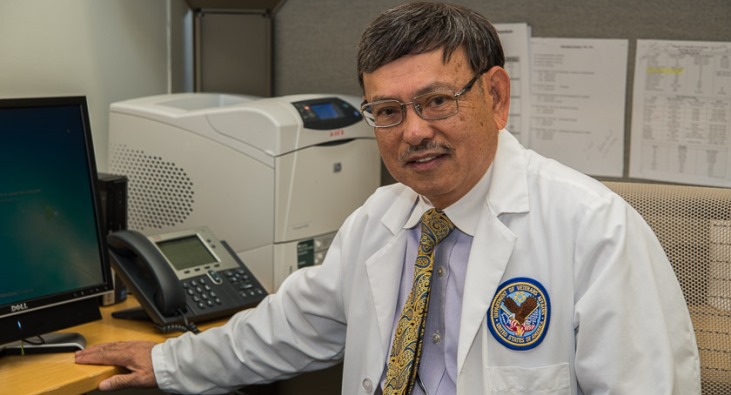
“We have the Rolls Royce of doctors here,” said a Marine Veteran and one of Dr. Paticio Reyes’ patients. “He was able to explain clearly what was going on...and provided me alternative methods [instead of] simply handing me a prescription like other have done.”
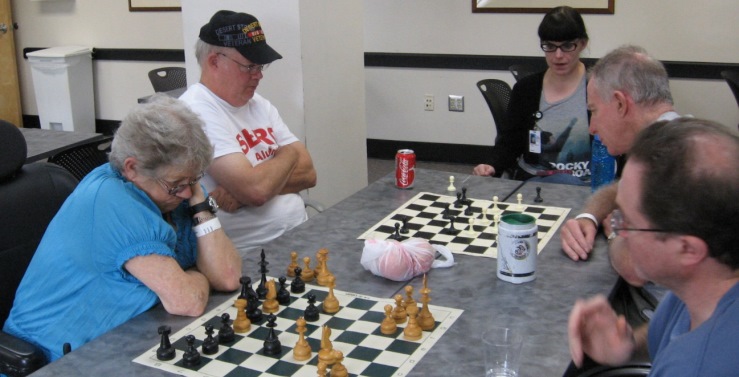
Checkmating Alzheimer’s: Birmingham VAMC uses ‘brain games’ to promote sharp minds in older Veterans
Chess, a classic “brain game” is a mentally stimulating activity that has been shown to promote brain health and may also decrease the risk of cognitive impairment.
Almost every Saturday morning, volunteers visit the Birmingham, Alabama VA Medical Center (VAMC), setting up chessboards and sharing their passion for the game with older Veterans. They also bring tactile chess sets for the blind – comprised of chess pieces of varying shades and colors – to accommodate low-vision Veterans.


Official websites use .gov
A .gov website belongs to an official government organization in the United States.

Secure .gov websites use HTTPS
A lock (
) or https:// means you’ve safely connected to the .gov website. Share sensitive information only on official, secure websites.
We’re here anytime, day or night - 24/7
If you are a Veteran in crisis or concerned about one, connect with our caring, qualified responders for confidential help. Many of them are Veterans themselves.
Get more resources at VeteransCrisisLine.net.

VA News
An official website of the U.S. Department of Veterans Affairs
- VA.gov
- ChooseVA
- DiscoverVA
- DigitalVA
- VA Forms
- VA Publications
- About VA
- VA mobile apps
- Accessibility at VA
- No FEAR Act data
- Whistleblower Protection
- Office of the Inspector General
- VA plans, budget, finances, and performance
- Agency Financial Report
- Privacy policy
- FOIA requests
- Disclaimers
- Open data
- Vulnerability disclosure policy
- Copyright policy
Looking for U.S. government information and services? Visit USA.gov