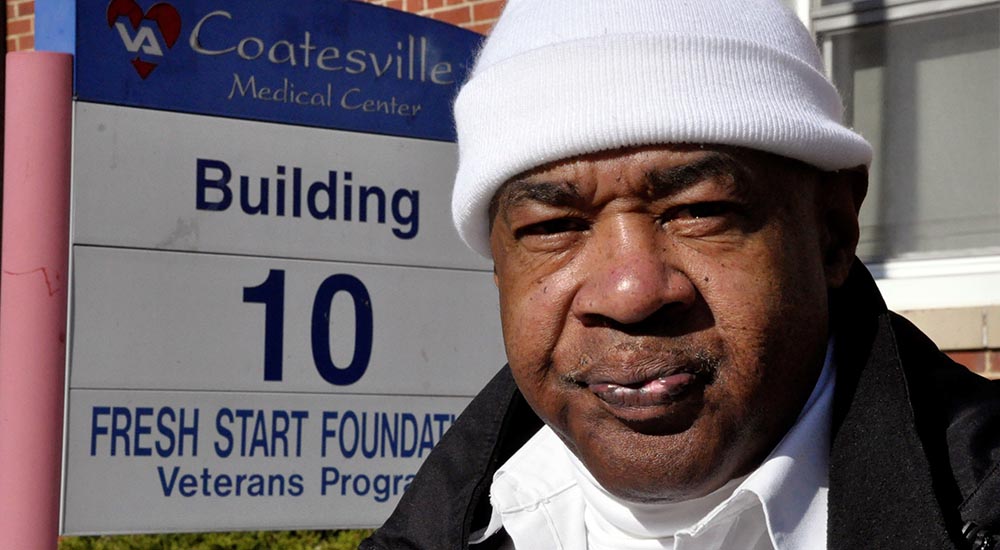
Veteran Anthony Brown was homeless when he lost both feet to frostbite. Today, after two years of treatment, Brown is ready to leave Coatesville VA Medical Center VA to live in the community.
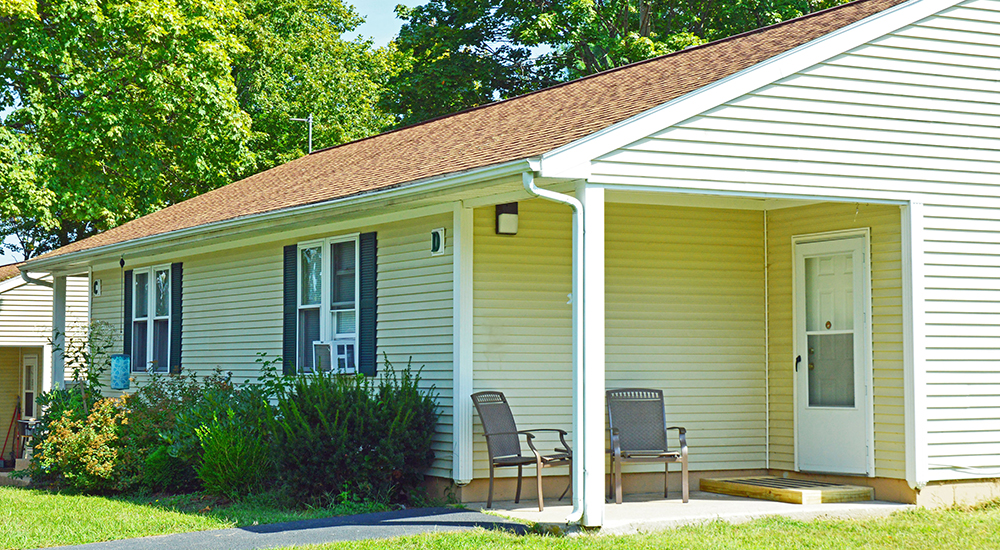
HUD-VASH is the Department of Housing and Urban Development-VA Supported Housing—a joint program between HUD and VA that assists Veterans and their families.
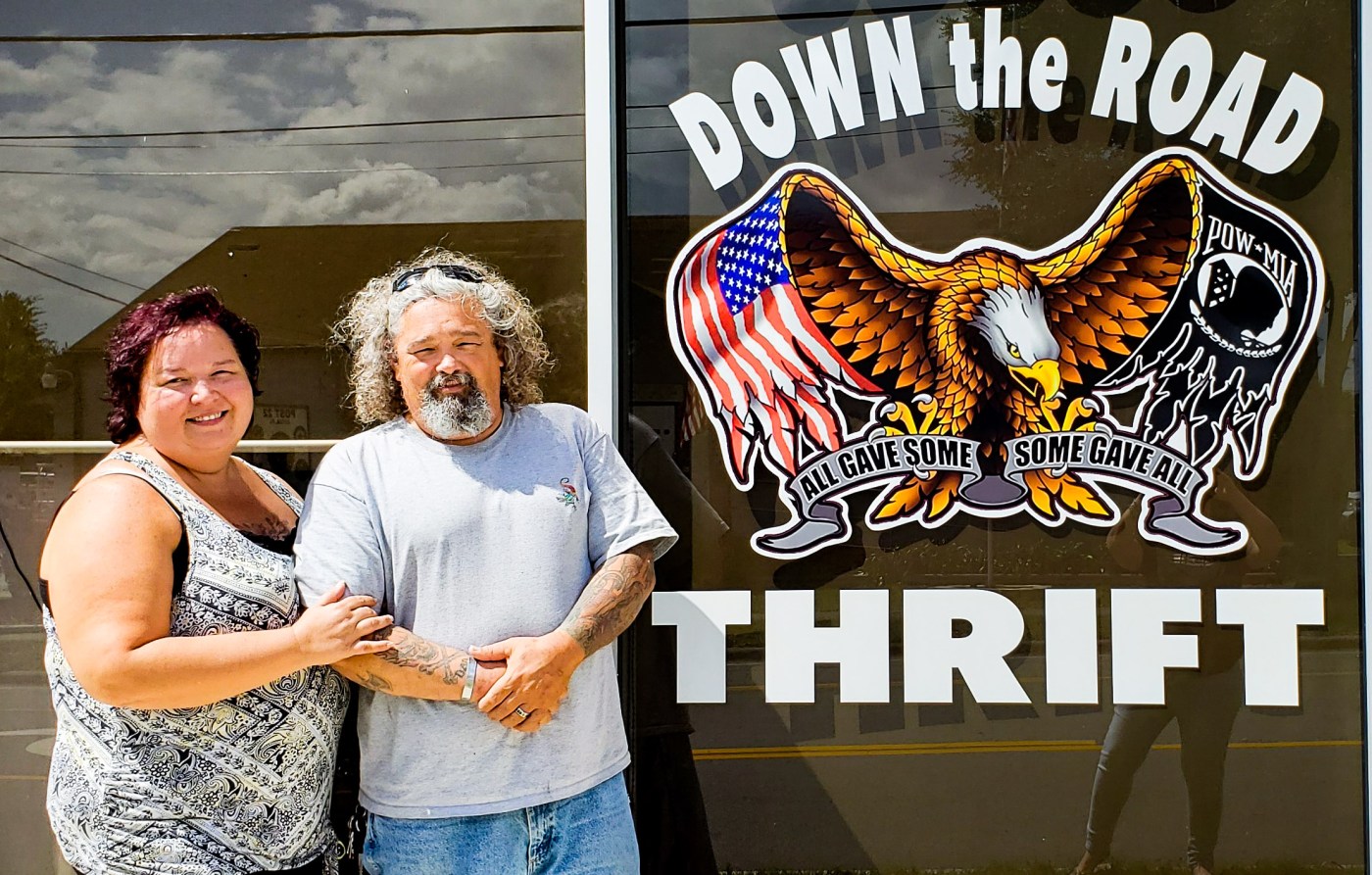
Down the Road thrift store owners, Jerry Vaughan and Bobbie Warner, opened the thrift store in 2017 to better serve homeless Veterans with additional support, services, and goods.
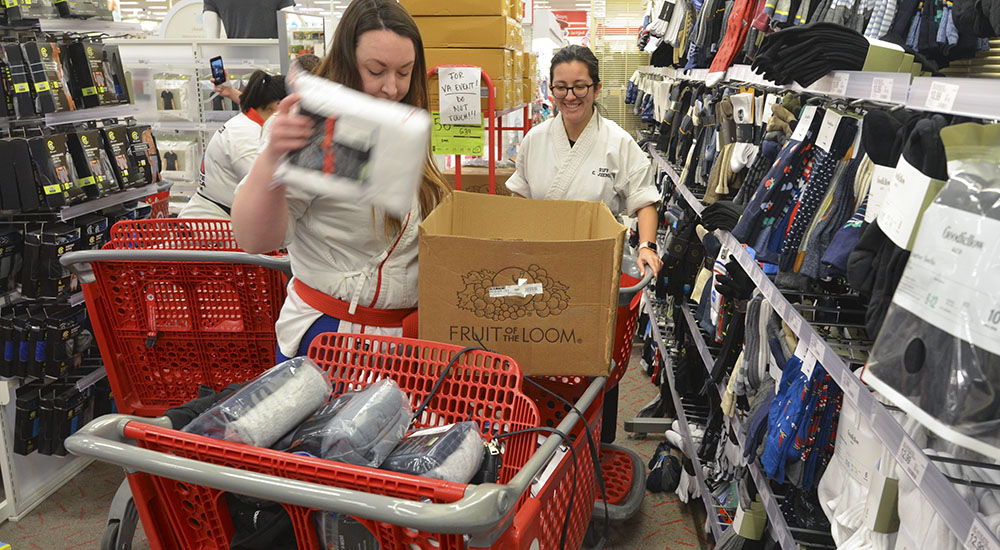
Staff and students from Milwaukee-area Karate America schools went on a $19,000 Target shopping spree on behalf of Veterans and completely filled the Wish List of the Milwaukee VA Medical Center.
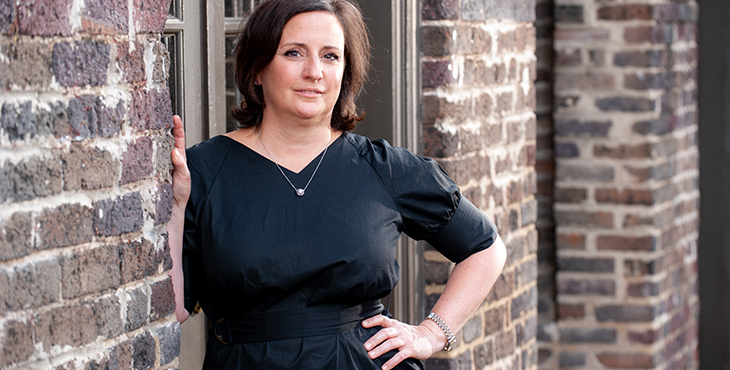
VA researchers delved into the different living situations available to homeless Veterans through the HUD-VASH voucher program. VA Research Currents talked with investigator Dr. Ann Elizabeth Montgomery about what her team learned.
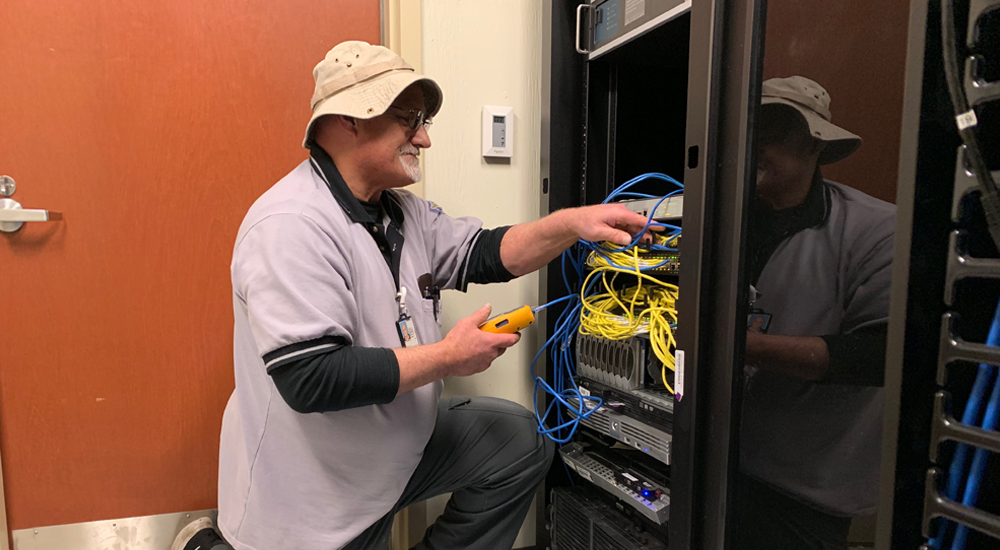
Curtis May was homeless, then in jail and tired of his lifestyle. Using several VA programs, he is now “happy and grateful” as a VA electrician – AND back in touch with children and grandchildren.
It’s known as HUD-VASH and it helps homeless Veterans and their families find a home. Here’s one example of how it works in the Rhode Island area where over 400 more Veterans could be headed to a home.
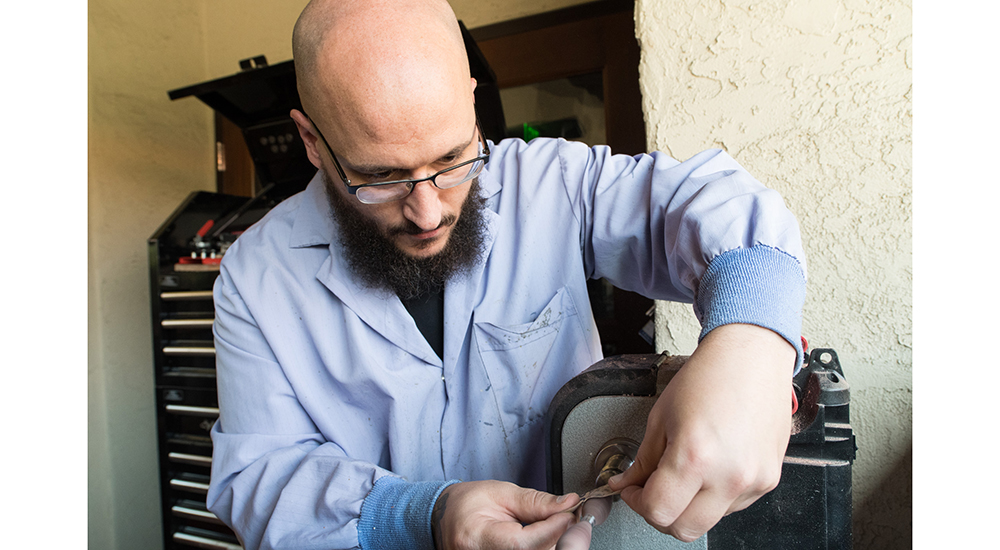
Marine Veteran Randy Elston attempted suicide because he felt there was no hope. After treatment at VA’s San Diego Aspire Center, his life has the promise of a successful future for him and his family.
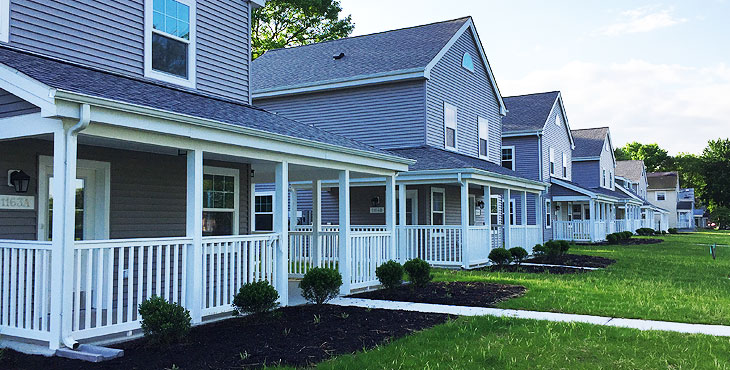
The HELP Veterans Village is a new facility located near […]
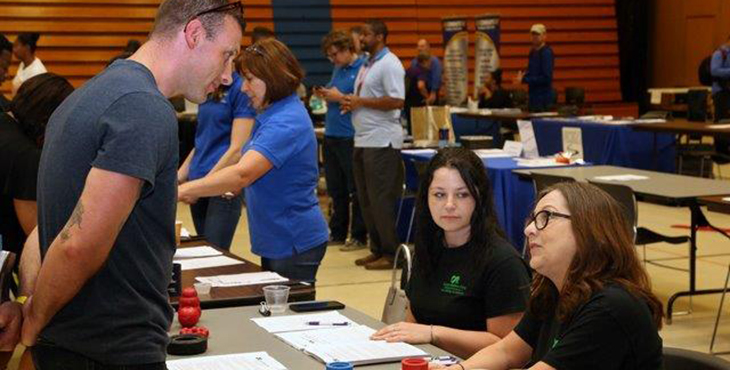
Image courtesy of the City of Cleveland Photographic Bureau. On […]
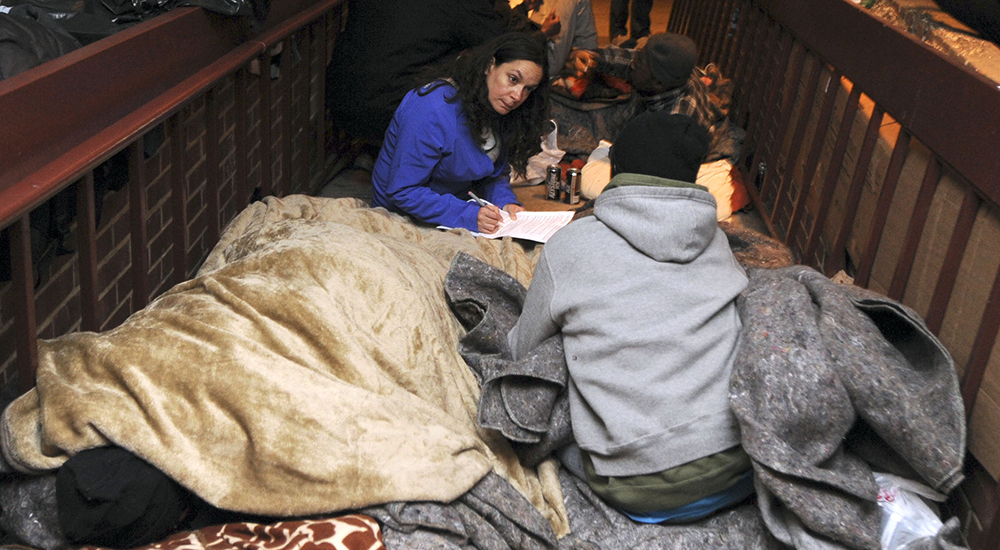
Thousands of homeless Veterans have been given a permanent place to live and help returning to life thanks to HUD-VASH program. Learn how it works and what you can do to help.
Supported by partnerships with big-name companies such as Twitter, LinkedIn, Dolby, and Google, Code Tenderloin is able to offer students free classes, taught by experts in the field.


Official websites use .gov
A .gov website belongs to an official government organization in the United States.

Secure .gov websites use HTTPS
A lock (
) or https:// means you’ve safely connected to the .gov website. Share sensitive information only on official, secure websites.
We’re here anytime, day or night - 24/7
If you are a Veteran in crisis or concerned about one, connect with our caring, qualified responders for confidential help. Many of them are Veterans themselves.
Get more resources at VeteransCrisisLine.net.

VA News
An official website of the U.S. Department of Veterans Affairs
- VA.gov
- ChooseVA
- VA Forms
- VA Publications
- About VA
- VA mobile apps
- Accessibility at VA
- No FEAR Act data
- Whistleblower Protection
- Office of the Inspector General
- VA plans, budget, finances, and performance
- Agency Financial Report
- Privacy policy
- FOIA requests
- Disclaimers
- Open data
- Vulnerability disclosure policy
- Copyright policy
Looking for U.S. government information and services? Visit USA.gov