
Baltimore VAMC’s new primary stroke center status boosts rapid stroke recognition and treatment, helping protect Veterans through faster, coordinated care.

VA Research highlights new findings on therapy for post-stoke aphasia, cirrhosis-associated chronic pain, and a new PTSD and depression treatment.
VA Research recently published findings on service members at-risk for suicide receiving VA care, spinal cord injury and stroke.
VA Research finds a potential way to protect the blood-brain barrier, a lifestyle coaching app for cardiovascular disease and preventing muscle atrophy.

Veteran Chris Scott recounts his road to recovery after a hemorrhagic stroke.
VA’s Office of Research and Development published three News Briefs highlighting research advances on brain-computer interfaces, a potential new lymphoma treatment and the benefits of age-friendly care.
This week, VA’s Office of Research and Development published three News Briefs highlighting research findings on a suicide, liver disease and stroke.

Now there’s a tool designed to make process of recovering from stroke easier and more effective: the Stroke Recovery App.
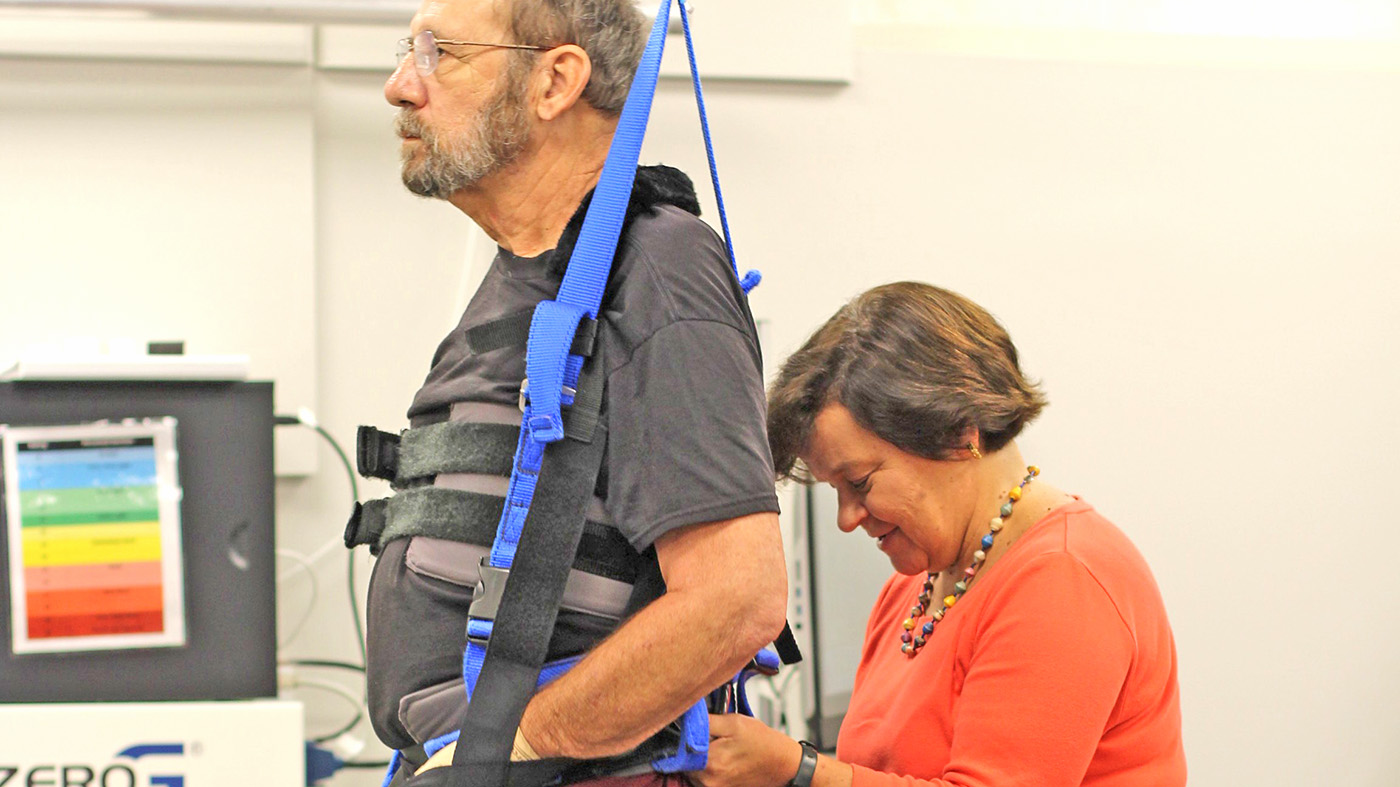
Dr. Dorian Rose honored for advancing physical therapy care after stroke through clinical research.
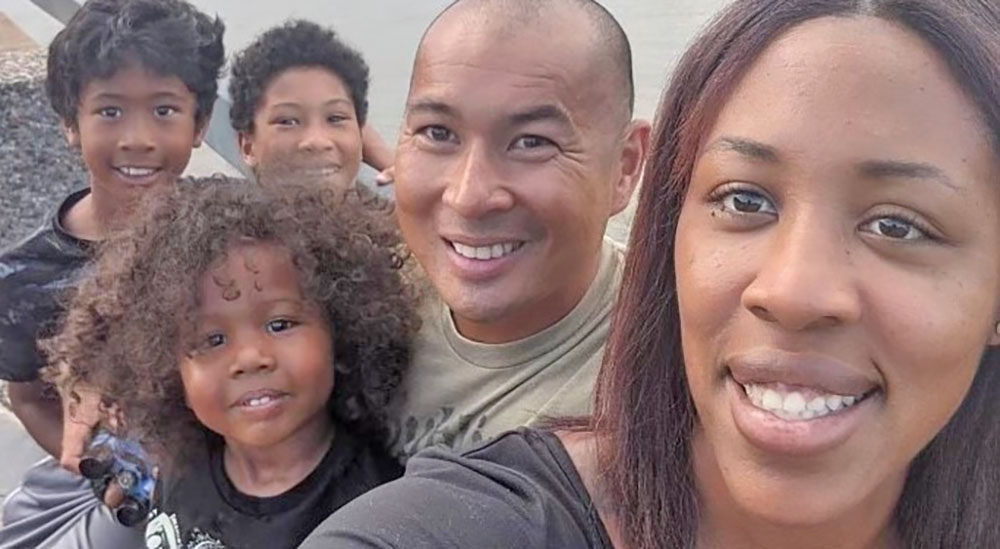
Aphasia is a brain injury that impacts communication but doesn't affect intellect or hearing.
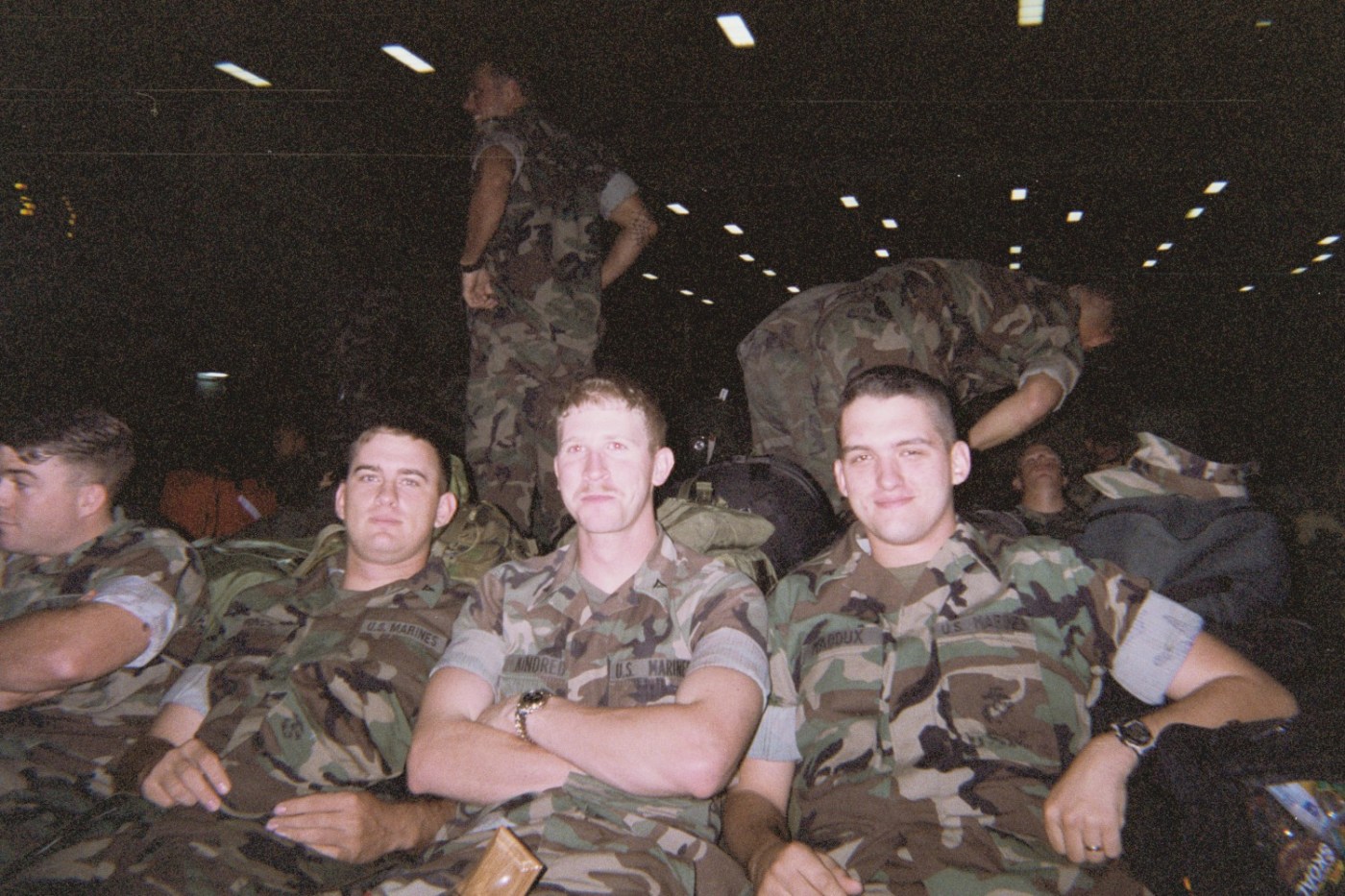
I wanted to join the United States Marine Corps (USMC) to challenge myself in ways I had never been challenged before. I also wanted to gain valuable skills that I could use in a future career. The USMC provided me with ample opportunities to grow personally and professionally. I would not be as successful as I am today without being a Marine.

Loneliness can be a risk factor for dementia, stroke and heart disease. It also can increase risk of depression, anxiety and substance abuse.


Official websites use .gov
A .gov website belongs to an official government organization in the United States.

Secure .gov websites use HTTPS
A lock (
) or https:// means you’ve safely connected to the .gov website. Share sensitive information only on official, secure websites.
We’re here anytime, day or night - 24/7
If you are a Veteran in crisis or concerned about one, connect with our caring, qualified responders for confidential help. Many of them are Veterans themselves.
Get more resources at VeteransCrisisLine.net.

VA News
An official website of the U.S. Department of Veterans Affairs
- VA.gov
- ChooseVA
- DiscoverVA
- DigitalVA
- VA Outreach Events
- VA Forms
- VA Publications
- About VA
- VA mobile apps
- Accessibility at VA
- No FEAR Act data
- Whistleblower Protection
- Office of the Inspector General
- VA plans, budget, finances, and performance
- Agency Financial Report
- Privacy policy
- FOIA requests
- Disclaimers
- Open data
- Vulnerability disclosure policy
- Copyright policy
Looking for U.S. government information and services? Visit USA.gov