September is Suicide Prevention Month. At VAcareers, we’ll be raising awareness for mental health and suicide prevention in the Veteran community with new posts every Tuesday. Do you have a story to share? Let us know in the comments.
If you’re a Veteran in crisis or know a Veteran who is, click here or call 1-800-273-8255 and press 1.
VA employees are on the front lines of mental health care every day. From social workers who help homeless Veterans find permanent housing, to Psychiatrists who asses treatment for Veterans going through major crises, every aspect of care is important to the well-being of our Veteran patients.
Part of the success of mental health treatment at VA is how the hospital, and health system at large, equips our employees with tools and resources to bring the best care to Veterans.
For VA Psychiatrist Dean, his work is rewarding in large part to the support system that VA provides. Since he moved from private practice to VA 13 years ago, he’s observed the evidence of this support.
“The colleagues that I work with, the health care system’s attention to detail, the feedback that I get from the Veterans and the overall outcomes of my treatment have improved quite a bit now that I’ve had access to a full range of services that I could only dream of in private practice,” he says.
Learn more about his experience in the video below:
If you are a mental health care provider who feels the call to serve our Nation’s Veterans, we urge you to visit VAcareers.va.gov to explore opportunities.
Topics in this story
More Stories
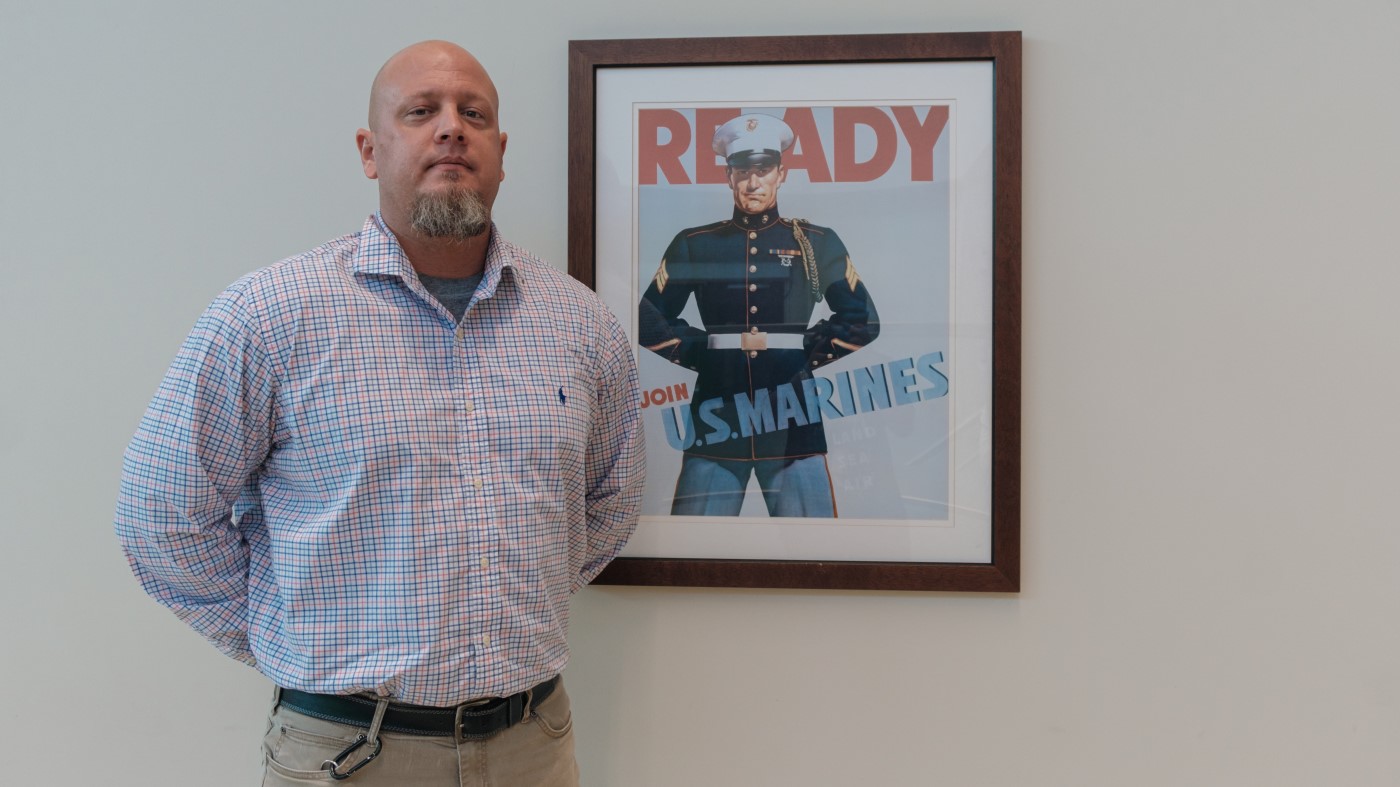
Even as we serve Veterans, we want Veterans like you to join our team, because you understand the value of serving those who served.
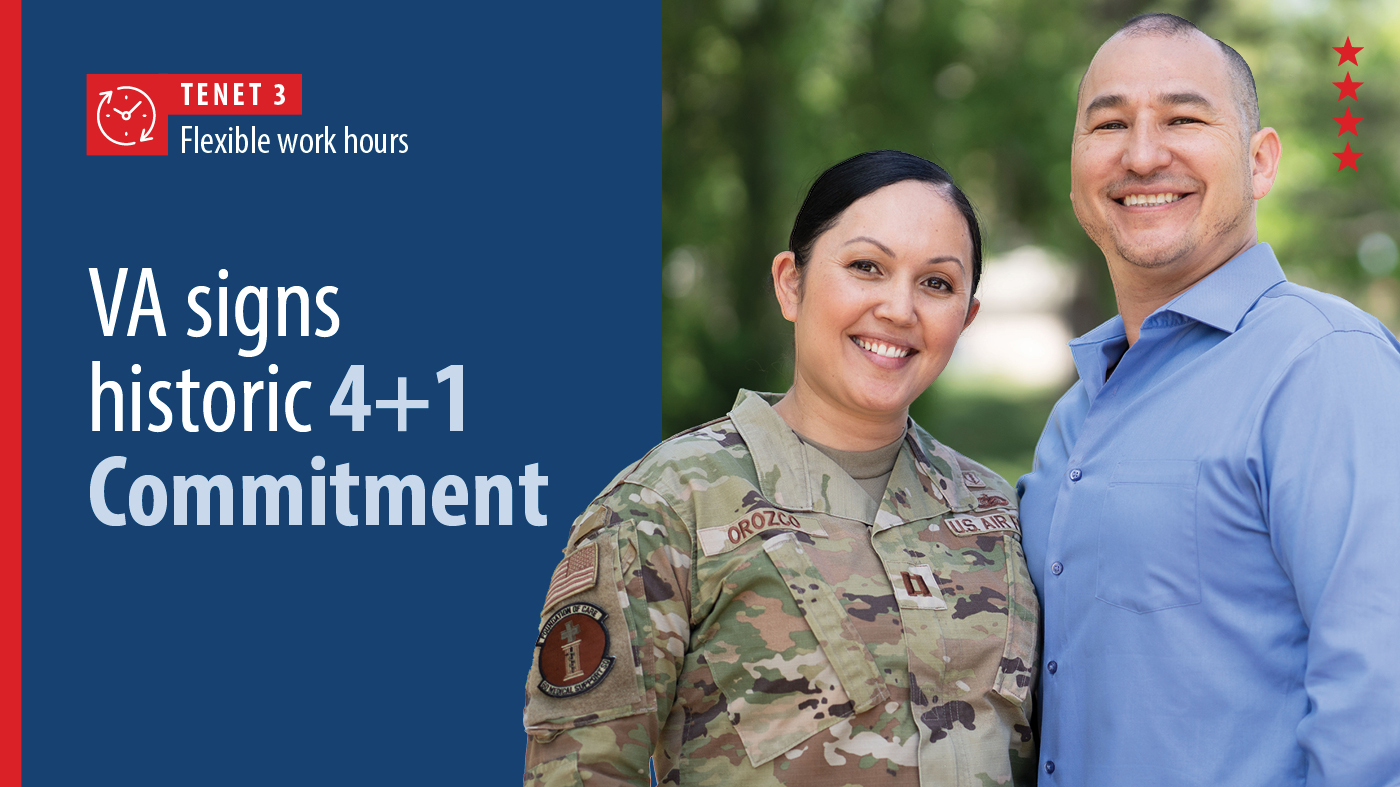
VA is implementing the historic 4+1 Commitment to attract, hire, and retain military spouses. Learn more about this commitment and a key tenet, VA’s commitment to flexible work hours for military spouses.
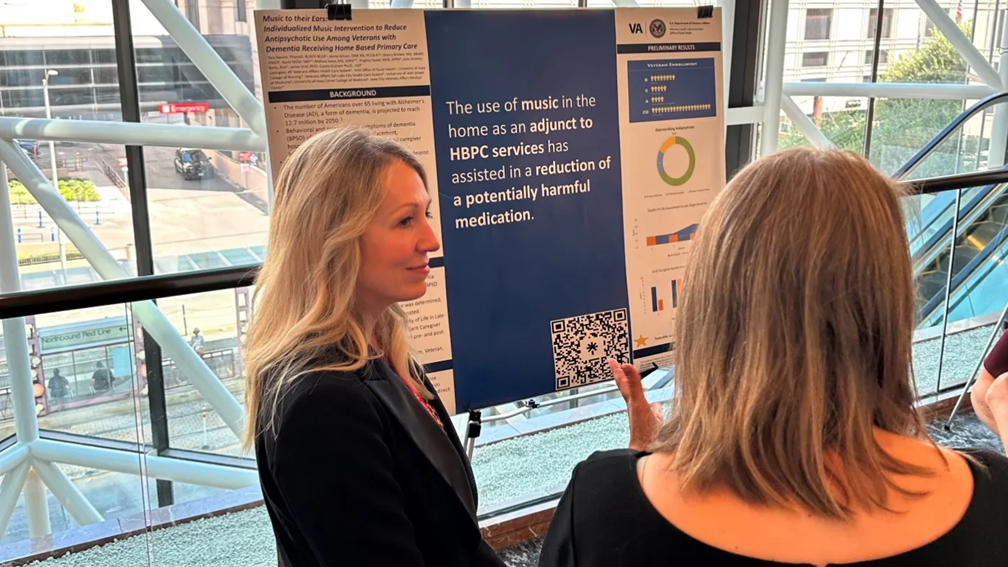
The Rural Scholars Fellowship is an outstanding opportunity to become a leader in rural health care at VA.