


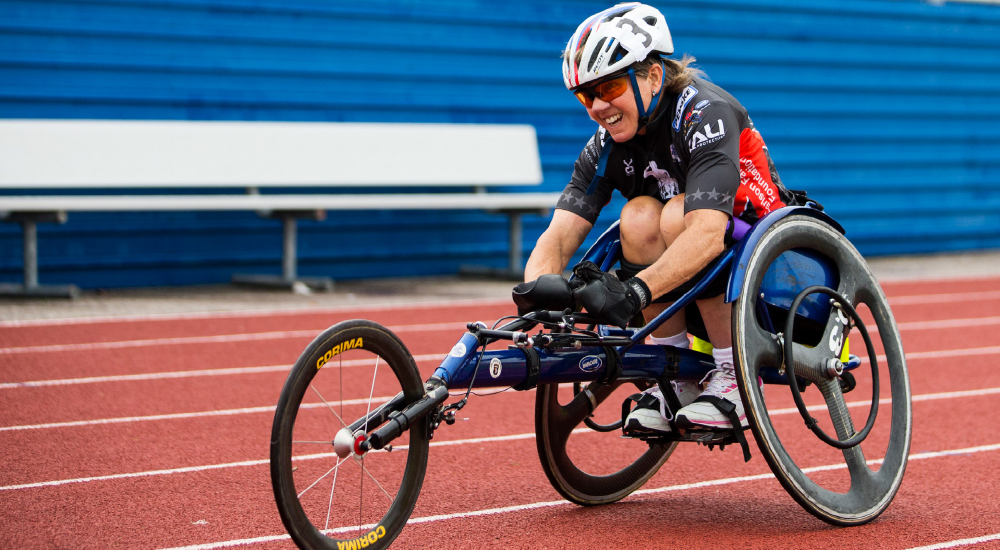
VA offers access to a variety of care services for Veterans with disabilities and supports women Veterans by providing specific prosthetic items to meet their unique needs.
The term “prosthetic” includes any medical device that supports or replaces the loss of a body part or function.
For women, this includes support items for incontinence or pelvic floor issues, wigs for alopecia, customized orthotics and artificial limbs, post-mastectomy items such as undergarments with discreet pockets to hold prosthetics, and more.
In addition, some Women’s Health Clinics offer prosthetic boutiques where prosthetic items are on display for women to see available items in person.
Women Veterans can also participate in an adaptive sport to help further rehabilitation and use services such as physical or occupational therapy and spinal cord injury services. They also have access to mobility aids such as walkers and wheelchairs, hearing aids and eyeglasses, communication and assistive devices, and durable medical equipment. All services are provided in medical care settings by health care personnel.
Women Veterans interested in learning more should contact their nearest VA medical center and ask for the Women Veterans Program Manager or call the Women Veterans Call Center at 1-855-VA WOMEN (1-855-829-6636).
About the author: LaTina Lewis is a Project Manager with DCG Communications
Topics in this story
More Stories
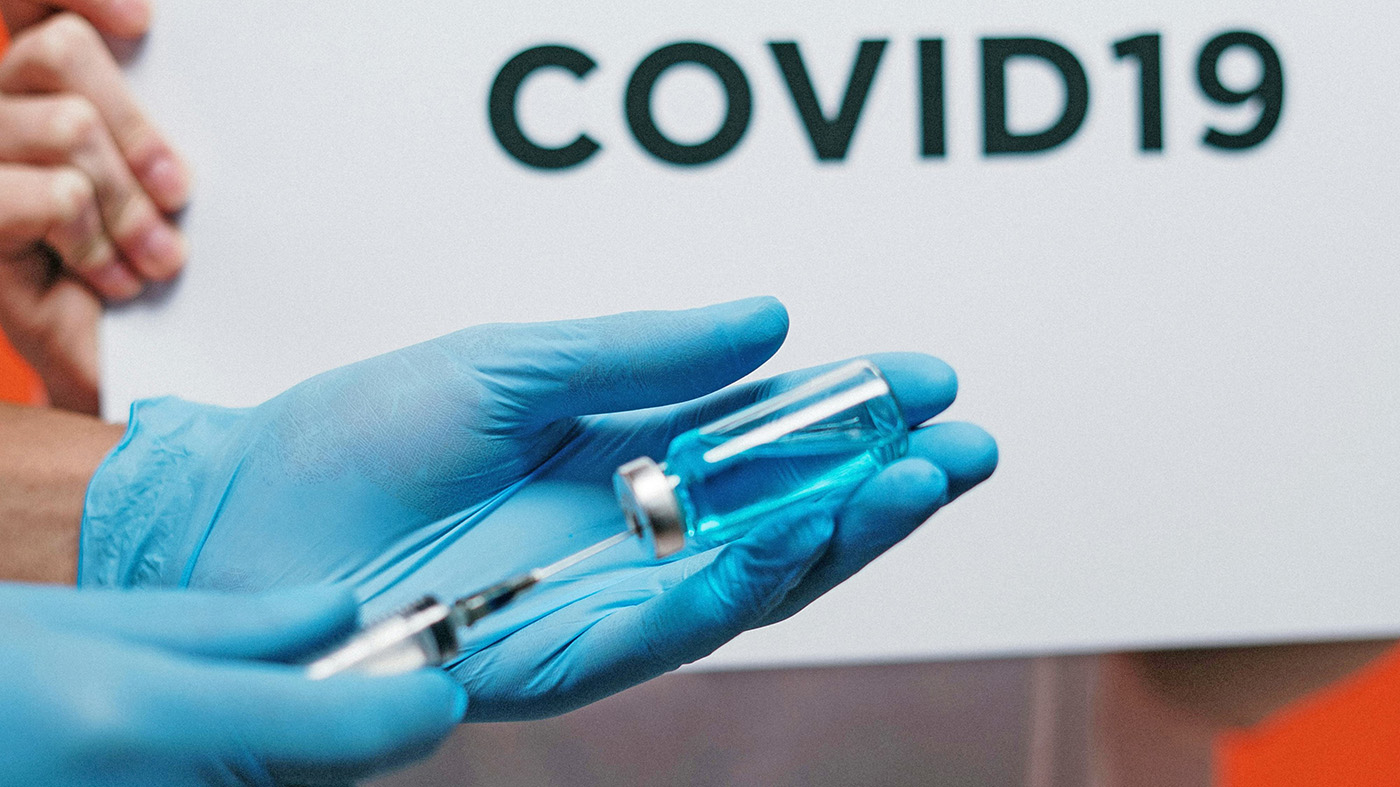
Study underscores important role COVID vaccination can have in protecting Veterans from infection and reducing long-term health consequences
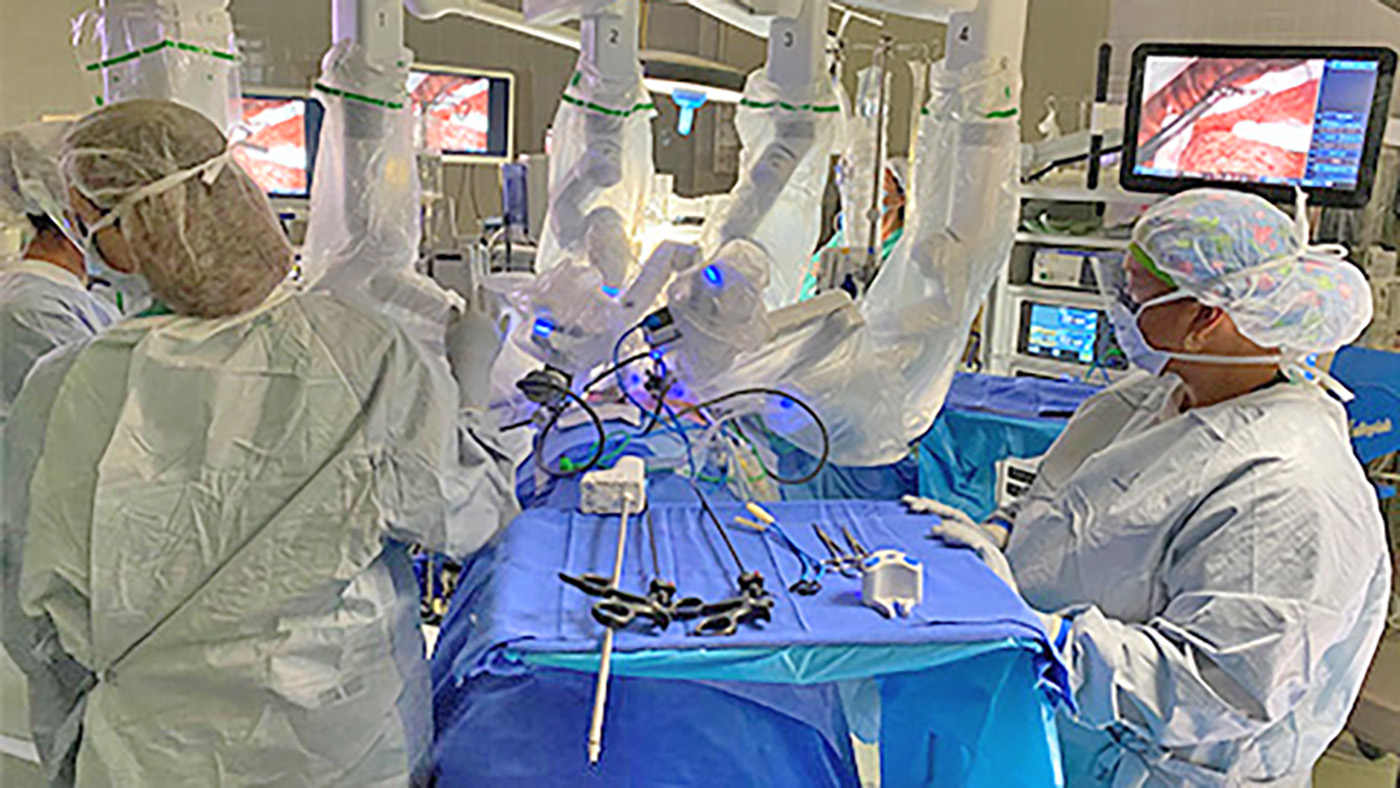
Columbia VA’s robotic surgery teams completed their 800th robotic surgery and are on schedule to hit 1,000 by the end of the year.

In a decentralized clinical trial, Veterans can participate from their own homes or local VA instead of having to travel to a research site.


what we need to know is that They also have access to mobility aids such as walkers and wheelchairs, hearing aids and eyeglasses, communication and assistive devices, and durable medical equipment.
need to know is that They also have access to mobility aids such as walkers and wheelchairs, hearing aids
All services are provided in medical care settings by health care personnel. period.
what we need to know is that They also have access to mobility aids such as walkers and wheelchairs, hearing aids and eyeglasses, communication and assistive devices, and durable medical equipment. All services are provided in medical care settings by health care personnel. period.
Great information, very helpful
Great information, very helpful