



Life after the military can be difficult for all those who have served, but for the 1.8 million female Veterans in America, there are unique (and often unrecognized) challenges to consider. This is one of the many reasons why VA works tirelessly to improve the state of women Veterans.
Part of our efforts include collaborating with Women Veterans Interactive (WVI), whose mission is to address the challenges women Veterans face through programs that cover health and wellness, peer support, workforce development and homelessness prevention. Recently, we worked together on the “State of Women Veterans” social media campaign, which ran from September through November of last year.
Another way VA supports women Veterans is by offering a wealth of career opportunities while giving preference to Veterans in the hiring process. What’s more, our Women’s Health team provides high-quality medical and psychosocial care to this growing patient population. It takes professionals from a wide range of specialties to drive our daily success. And together, we’re aiming to be a leader in women’s health, thus raising the standard of care for all women.
If you’re interested in joining our Women’s Health team or would like to explore other opportunities to serve our nation’s Veterans, search for open positions and apply now.
Topics in this story
More Stories
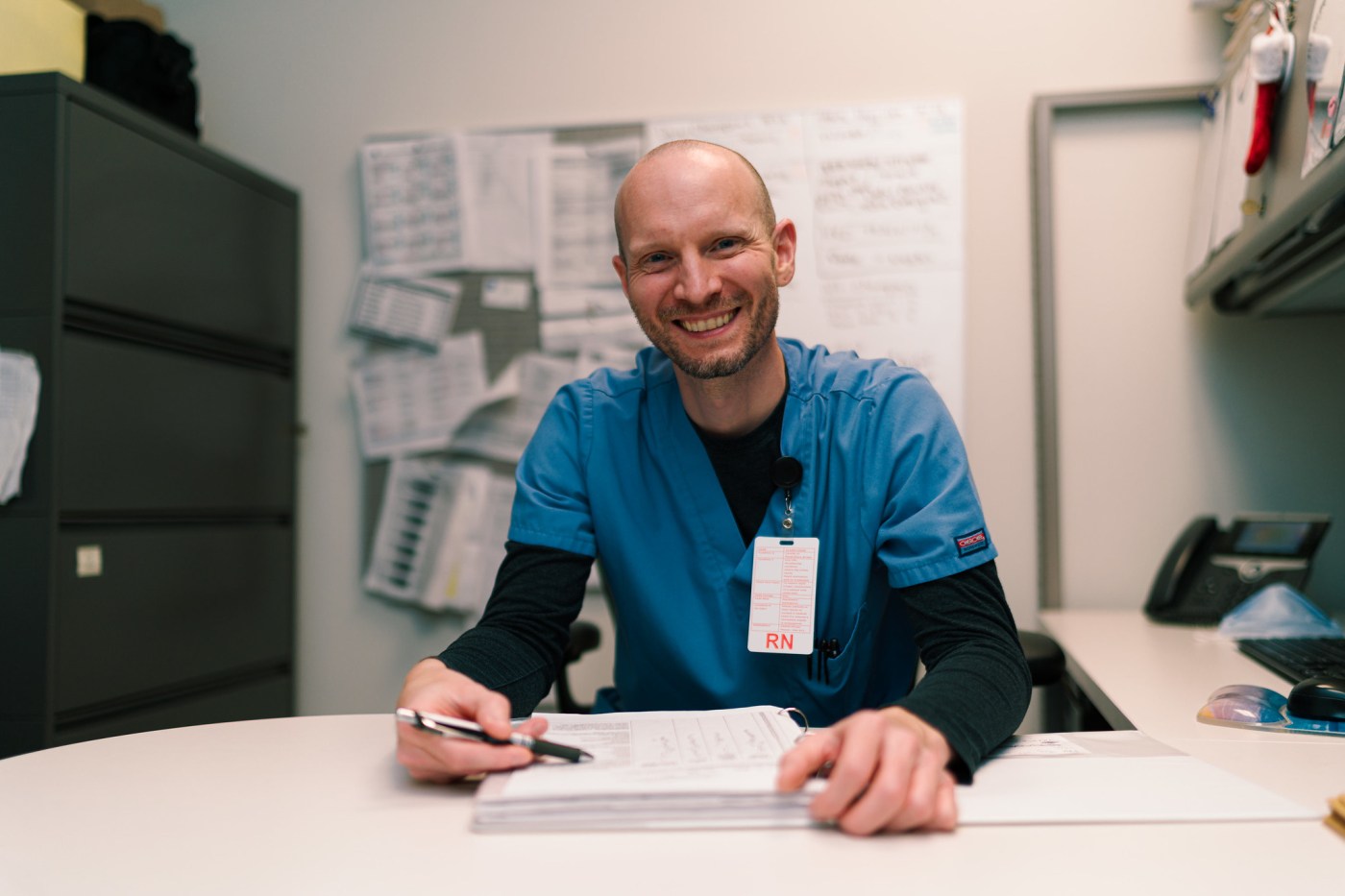
There’s a time and a place (and a way) to reach out to recruiters during the application process. Find out the best way to reach out with our helpful tips.
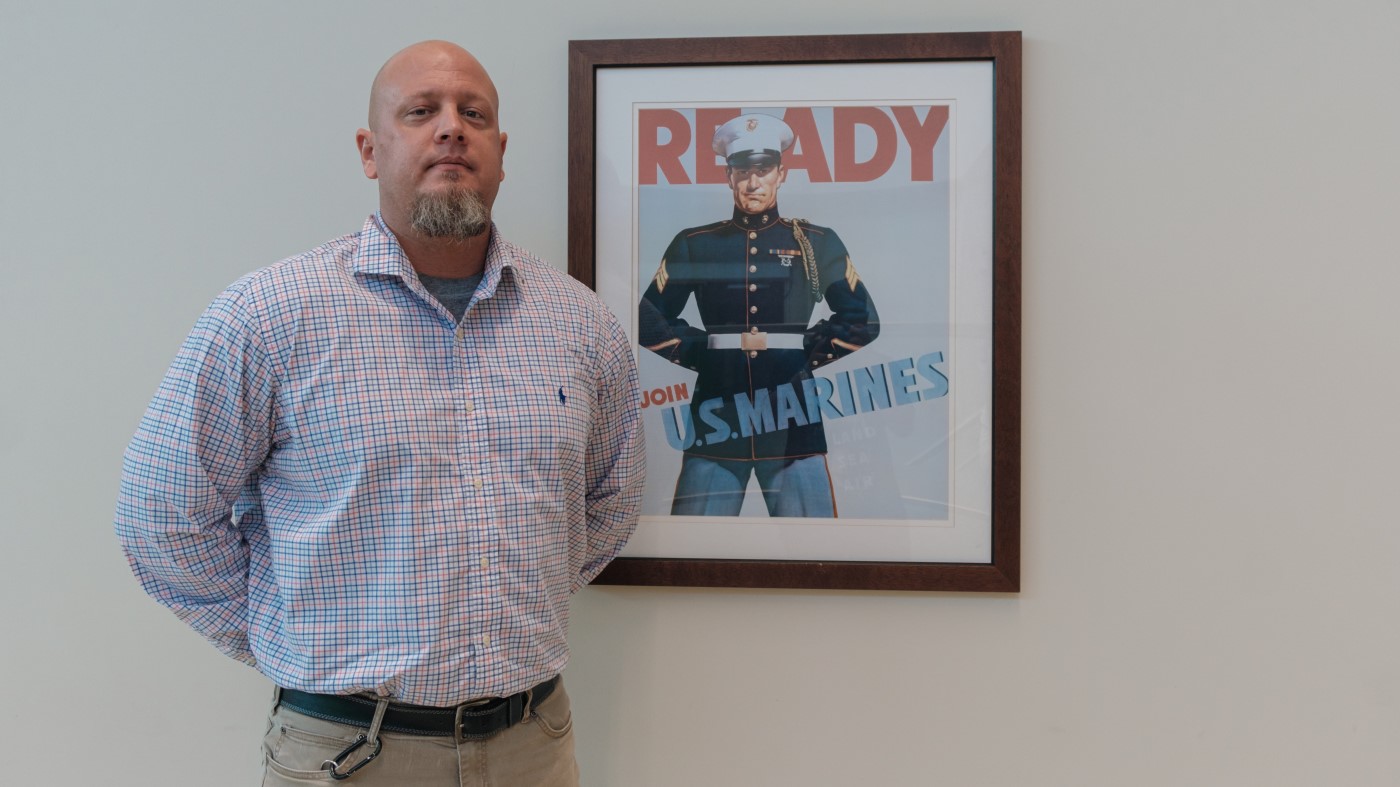
Even as we serve Veterans, we want Veterans like you to join our team, because you understand the value of serving those who served.
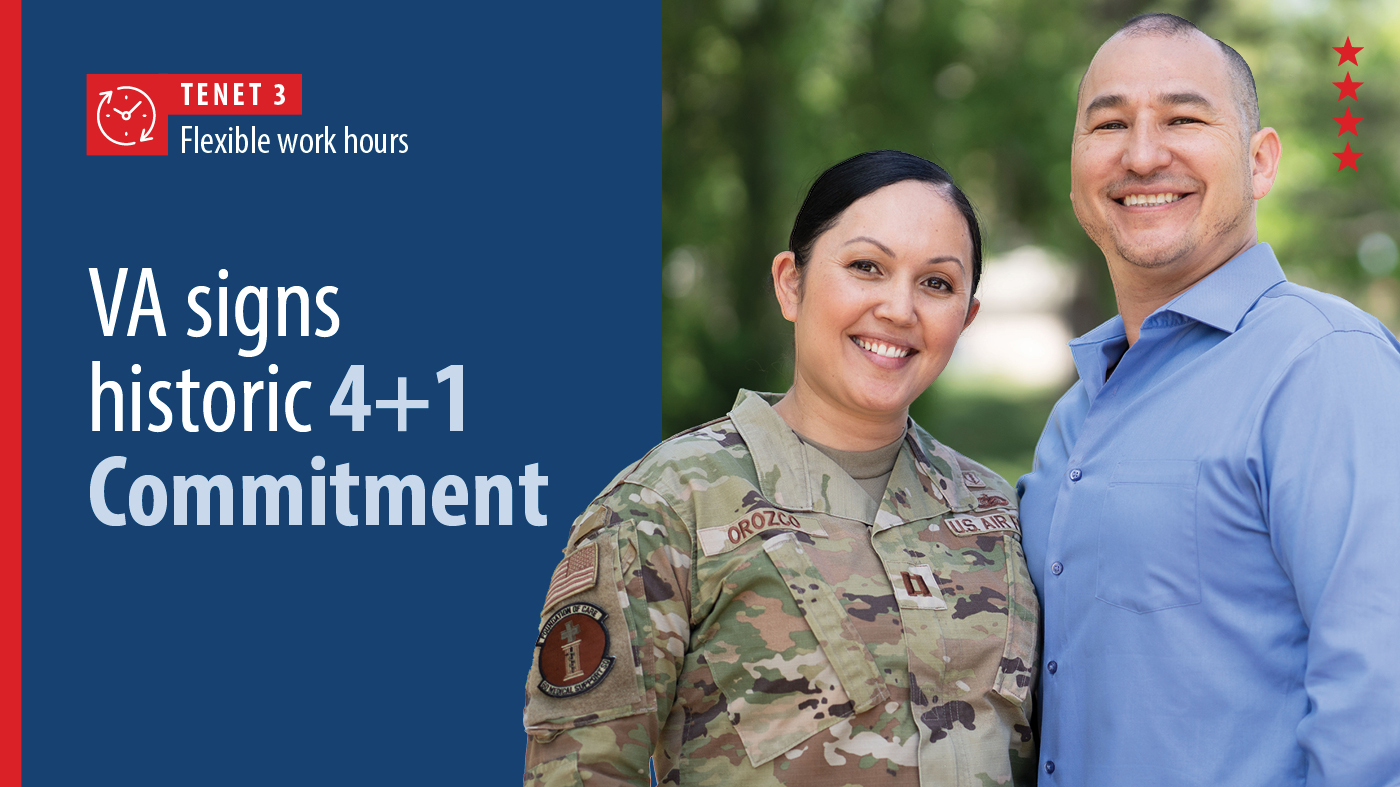
VA is implementing the historic 4+1 Commitment to attract, hire, and retain military spouses. Learn more about this commitment and a key tenet, VA’s commitment to flexible work hours for military spouses.


As a veteran, I was unfortunate to have nonvet supervisors at the VA that discriminated against me for opening up about PTSD diagnosis and how my job as an Inpatient Psyc Social Worker was exacerbated my symptoms. I was given a great exit evaluation when I decided to resign in order to get PTSD treatment. I was verbally told by my then supervisor and current Chief of SW Dept as witnessed by former Assistant Chief of SW that I would have a job the day I was ready to return. A year later, my former supervisor “blocked” me from returning to work for the VA as she voiced that she “had concerns” (PTSD diagnosis) about me returning to work there. I decided to do self-employment setting up boarding homes for vets with mental disorders. She has made it a mission to continue to “block” me from trying to create a good livelihood for me by helping other vets. It’s unacceptable for those types of people to work for VA.