


June is PTSD awareness month – a time to share information, rectify common misconceptions, and look toward the future with our PTSD research and Mental Health Services team.
People often joke that a neat desk indicates obsessive-compulsive disorder; a wandering mind must mean attention deficit disorder; and, increasingly, a bad experience results in post-traumatic stress disorder. And though these jokes are not made with ill-intention, they reveal a lack of understanding about how post-traumatic stress disorder works and who it affects.
In 2014, President George W. Bush suggested “dropping the D” to reduce the stigma around post-traumatic stress. It is the brain’s normal reaction to trauma and should not be referred to as a disorder. And this reaction is not exclusive to Veterans. In large part, media stories, movies and television shows associate post-traumatic stress with Veterans. But in truth, many Americans experience trauma-induced stress at some point in their lives. Both Veterans and civilians can successfully move forward in life despite a diagnosis of post-traumatic stress – starting businesses, building families, and helping others in their community through various peer mentoring programs and call centers.
At VA, we’re so proud of our National Center for PTSD research team for pushing the conversation forward and uncovering the latest scientific developments. As we continue to learn more about the nature of post-traumatic stress, we can provide better treatment for our deserving Veterans. Our Mental Health Services team is also an excellent resource to learn more and raise awareness.
Visit our website for more information about post-traumatic stress, and if you’re interested in utilizing your skills with VA, visit our careers page and find opportunities near you today!
Topics in this story
More Stories
There’s a time and a place (and a way) to reach out to recruiters during the application process. Find out the best way to reach out with our helpful tips.
Even as we serve Veterans, we want Veterans like you to join our team, because you understand the value of serving those who served.
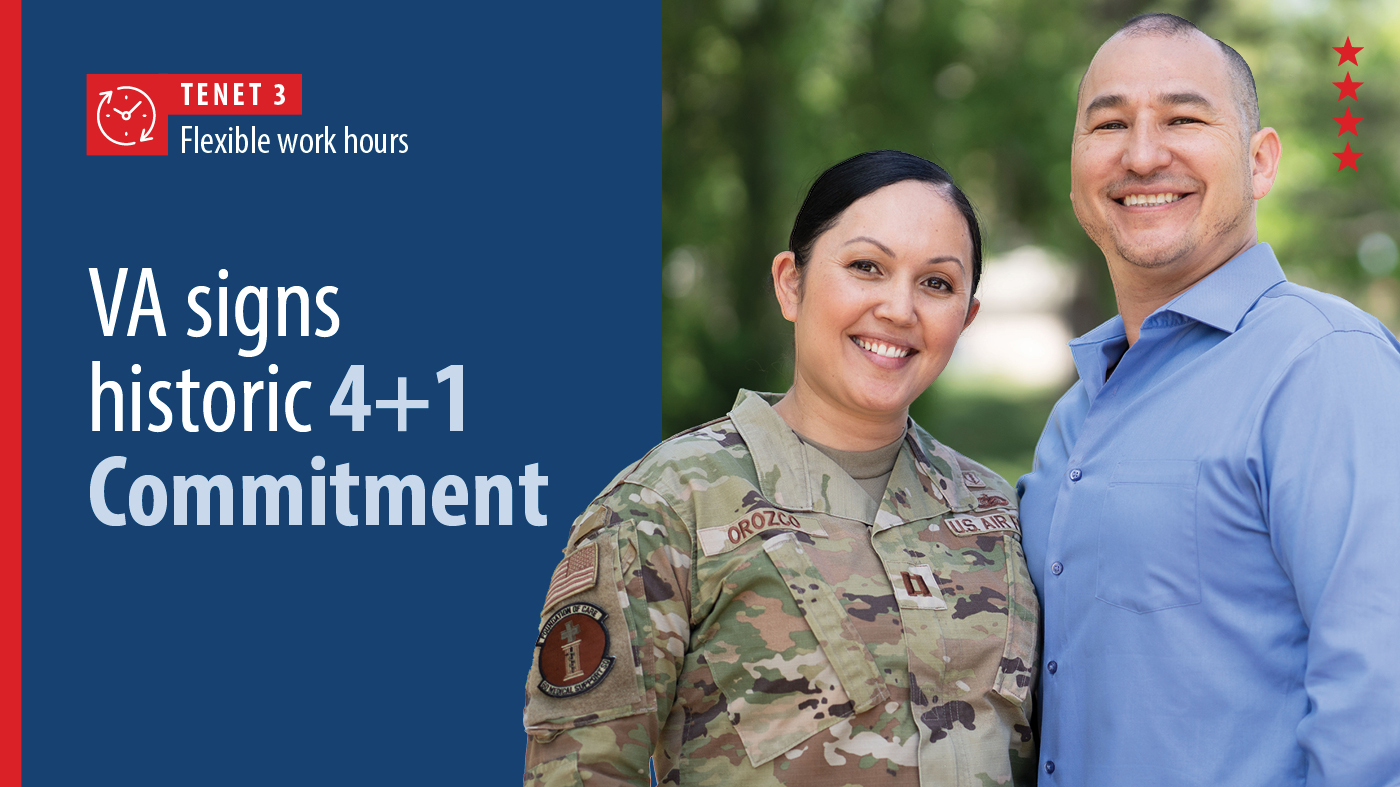
VA is implementing the historic 4+1 Commitment to attract, hire, and retain military spouses. Learn more about this commitment and a key tenet, VA’s commitment to flexible work hours for military spouses.


There are things you can do in your daily life to help deal with Mental health issues such as gardening, listening to calm music, have a dog really helps and eating healthy. I’ve also found that vitamins and herbal supliment help. Along with herbal teas. Exercise is also a key factor and is good for your health. Caffeine and nicotine are not good for the body. But I myself am having a hard time with stopping smoking. But I will still keep on trying.