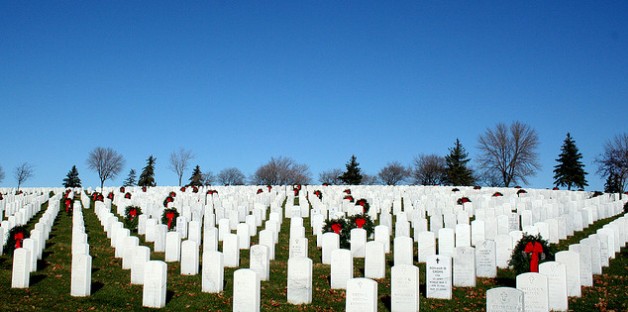
Many Veterans don’t know that the Department of Veterans Affairs is comprised of three separate administrations – Veterans Health Administration, Veterans Benefits Administration and National Cemetery Administration. Soon I will be detailing each of them here, but I want to share some recent news coverage of the National Cemetery Administration. As part of their Veterans Day coverage, the Washington Post ran a feature on Jefferson Barracks National Cemetery in St. Louis, Missouri:
Each of the burials must be treated with the same dignity and respect.
Those are the strict orders of the National Cemetery Administration, a part of the Department of Veterans Affairs whose 1,700 workers are mostly military veterans. Landscapers, grave diggers, family representatives and cemetery directors must attend training courses in St. Louis that, depending on the job, last from four days to a year.
Read the rest here, and watch the accompanying video.
LinderRox/Flickr
Topics in this story
More Stories

Seven U.S. Army soldiers, one Army Reserve soldier and two Veterans are representing Team USA at the 2024 Olympic Games in Paris, which begins today.
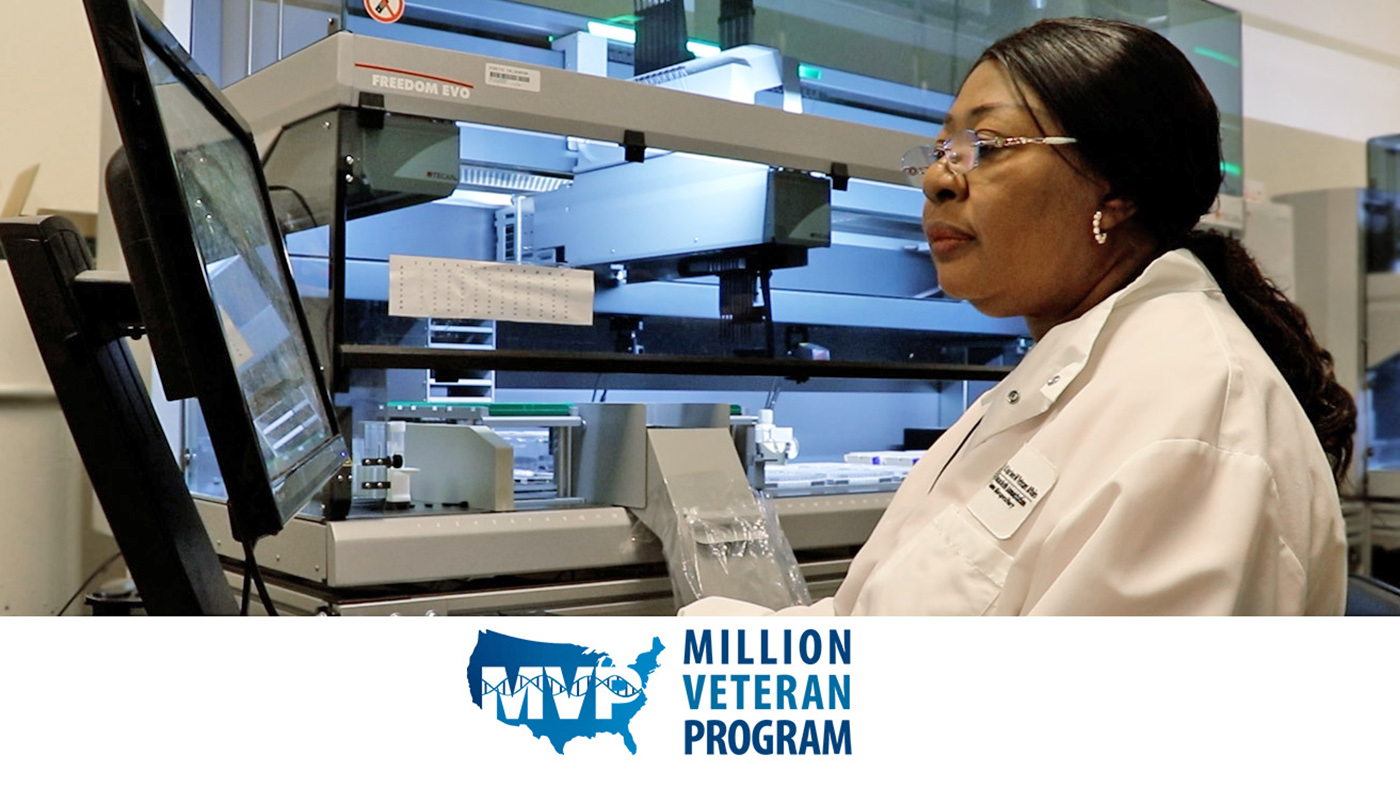
The findings of this new MVP study underscore the importance and positive impact of diverse representation in genetic research, paving the way for significant advances in health care tailored to Veteran population-specific needs.

VA reduces complexity for Veterans, beneficiaries, and caregivers signing in to VA.gov, VA’s official mobile app, and other VA online services while continuing to secure Veteran data.