
VA’s Office of Research and Development recently published three News Briefs highlighting TBI resiliency, a COPD rehab program and skin cancer treatment.
VA Research highlights new findings on therapy for post-stoke aphasia, cirrhosis-associated chronic pain, and a new PTSD and depression treatment.
VA Research published findings on new technology to improve bone grafts, how depression affects Alzheimer's disease, and a diabetes risk score.

Esketamine treatments can have a significant impact on Veterans with treatment resistant depression.

Alfred Izzarone was able to continue treatment for his PTSD without interruption through VA TeleMental Health.

To better achieve her goals, this Veteran chose to stay in residential treatment longer than she expected.
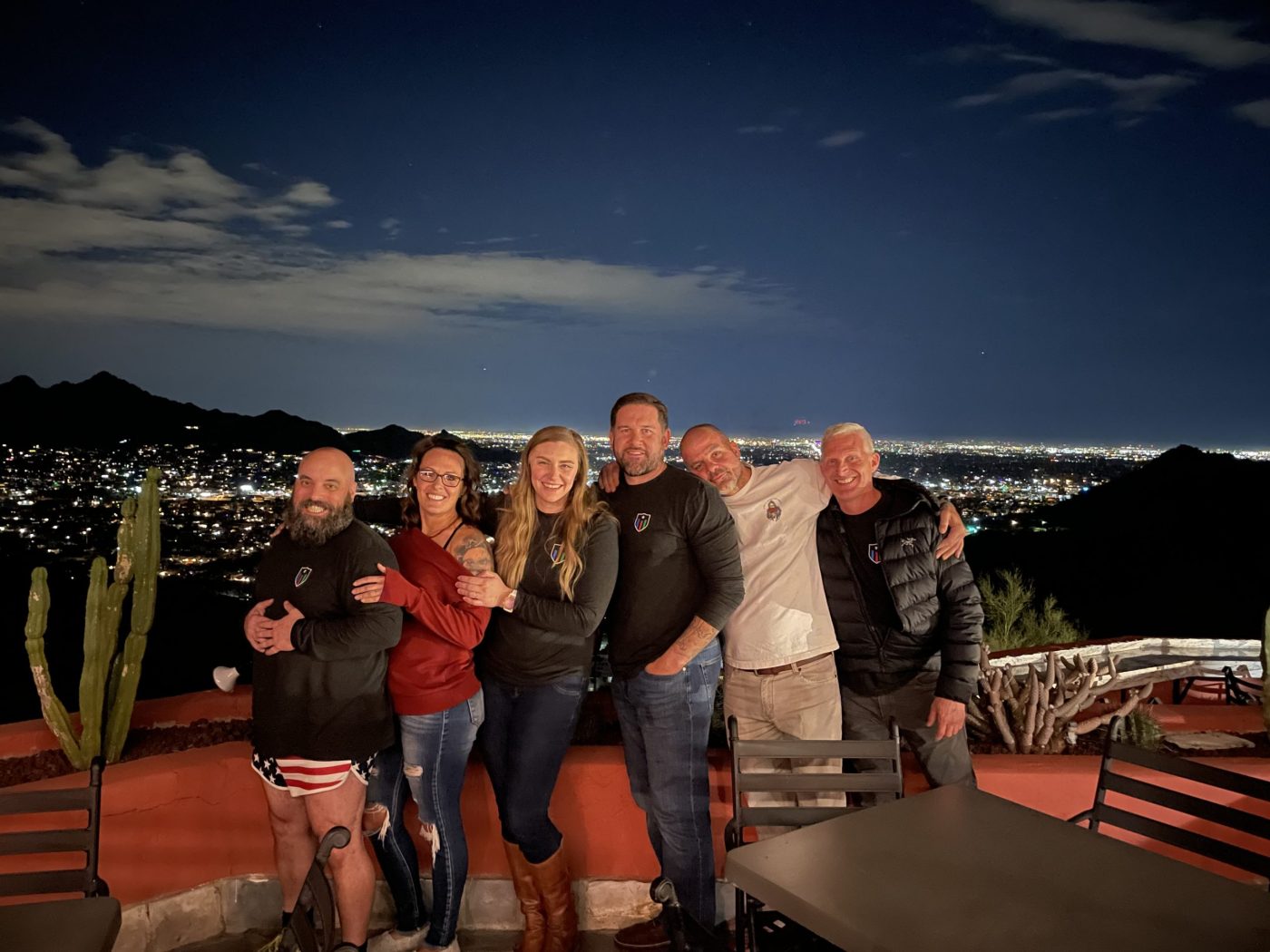
Thus far, 18 people have completed Shields & Stripes, which tries to rehabilitate those battling mental health conditions such as PTSD, major depression and anxiety disorder. Shields & Stripes can also work with people who have experienced mild traumatic brain injury, which is essentially a concussion and a frequent injury from the post-9/11 conflicts, and moral injury, which is a conflict with one’s personal code of morality.

Evidence-based therapies help Veterans recover from depression. Talk with your VA provider to identify the treatment plan that’s best for you.
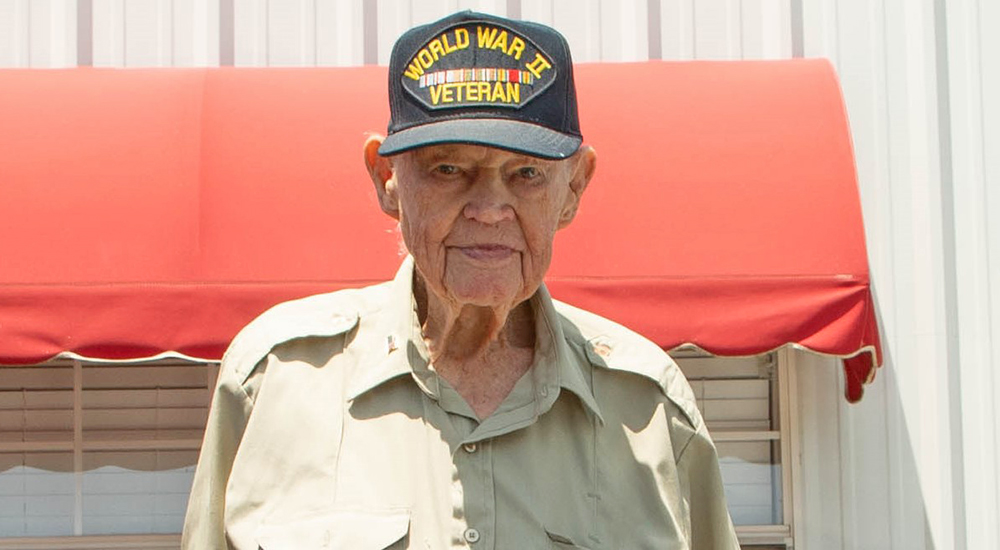
Air Force Veteran Philip Read was grateful for the birthday party but needed to go home to finish mowing his lawn before it got hot.
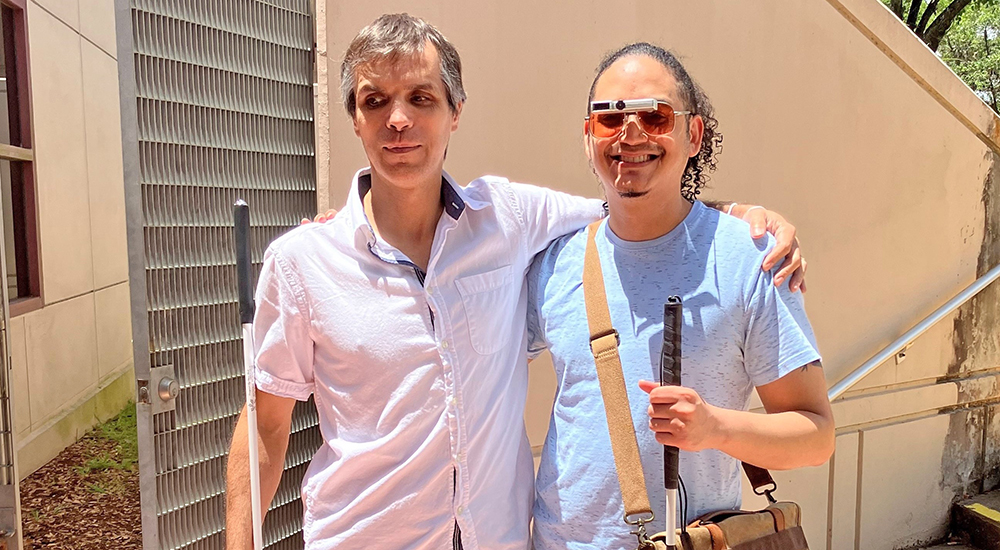
“I was impressed with how detail oriented they were with my assessments. Some staff members were blind, which gave me motivation and hope.”

Loneliness can be a risk factor for dementia, stroke and heart disease. It also can increase risk of depression, anxiety and substance abuse.
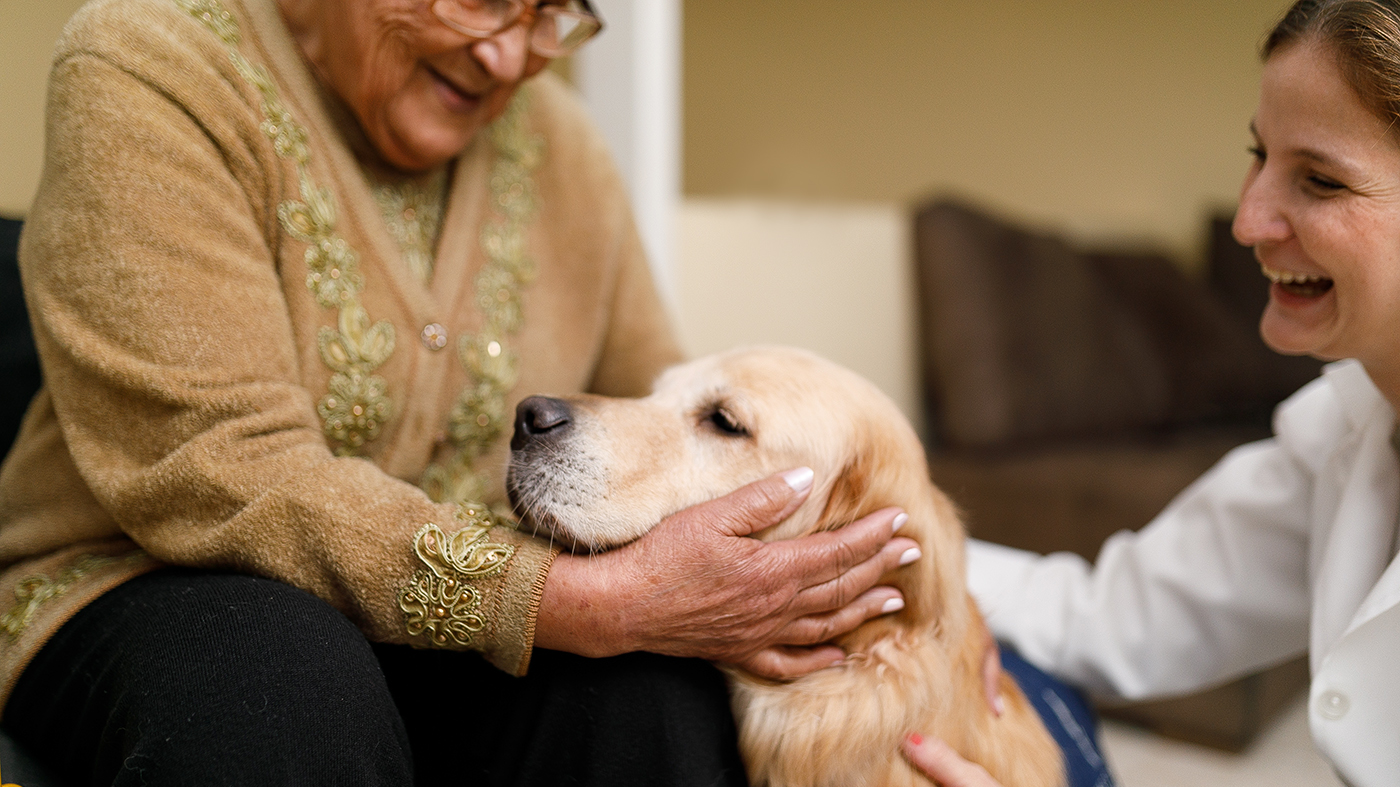
Animal visits as therapy can be complementary treatment for mental health and behavioral health disorders like depression and substance use.


Official websites use .gov
A .gov website belongs to an official government organization in the United States.

Secure .gov websites use HTTPS
A lock (
) or https:// means you’ve safely connected to the .gov website. Share sensitive information only on official, secure websites.
We’re here anytime, day or night - 24/7
If you are a Veteran in crisis or concerned about one, connect with our caring, qualified responders for confidential help. Many of them are Veterans themselves.
Get more resources at VeteransCrisisLine.net.

VA News
An official website of the U.S. Department of Veterans Affairs
- VA.gov
- ChooseVA
- DiscoverVA
- DigitalVA
- VA Outreach Events
- VA Forms
- VA Publications
- About VA
- VA mobile apps
- Accessibility at VA
- No FEAR Act data
- Whistleblower Protection
- Office of the Inspector General
- VA plans, budget, finances, and performance
- Agency Financial Report
- Privacy policy
- FOIA requests
- Disclaimers
- Open data
- Vulnerability disclosure policy
- Copyright policy
Looking for U.S. government information and services? Visit USA.gov