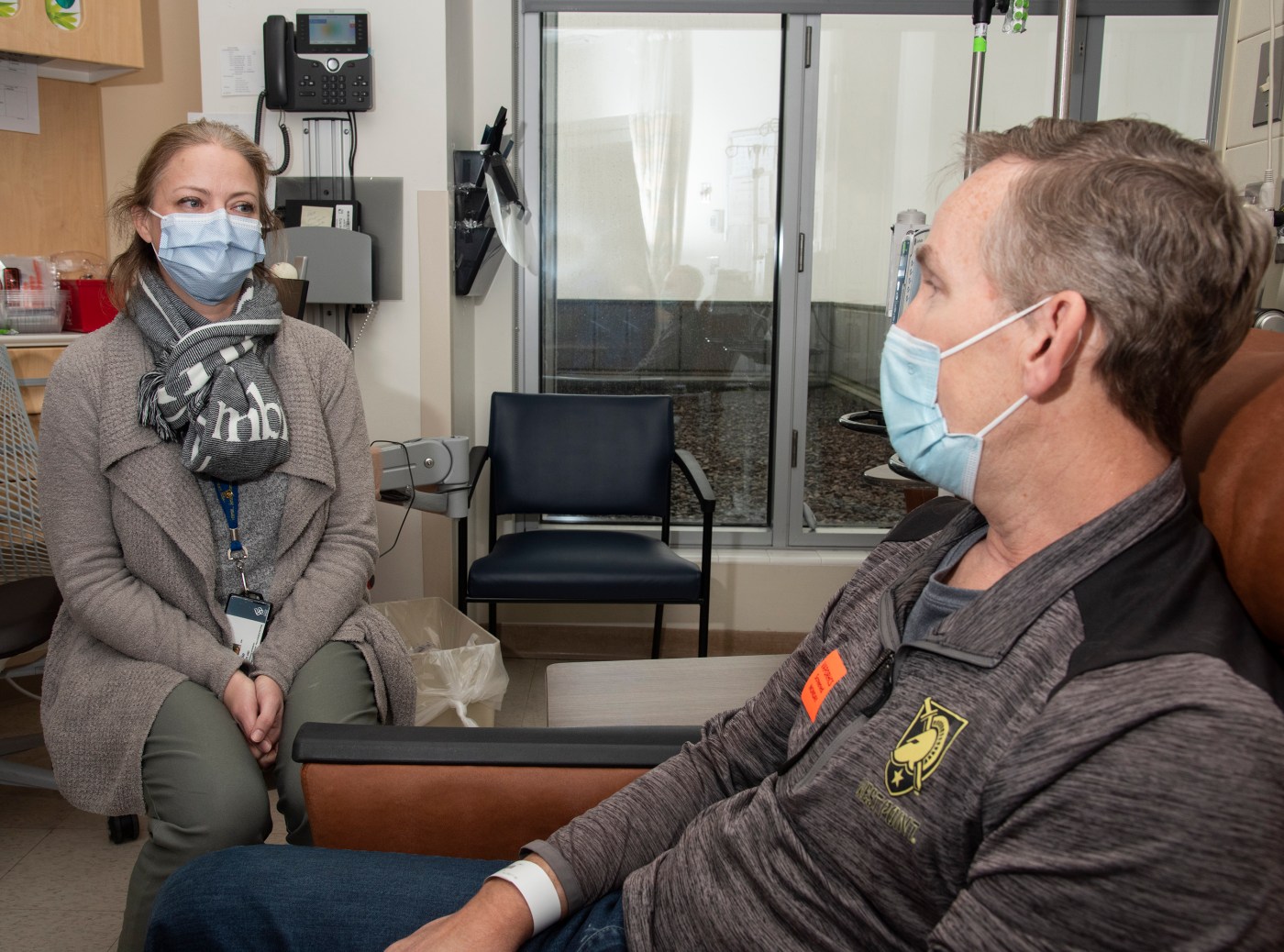
Today at age 56, Atkinson is fighting another battle—this time a case of aggressive prostate cancer. Thanks to treatment at the VA Portland Health Care System, his condition has improved dramatically in recent months through precision oncology—the molecular profiling of tumors to identify targetable alterations that can be treated therapeutically. Most recently, his PSA level had plummeted to 0.2, after a high of 115 in December.

Conversely, the researchers concluded that men with prostate cancer and PTSD may have been at lower risk of death from non-suicidal causes due to favorable physical health resulting from greater health care use and early diagnosis of localized—or low-risk—cancer.

Across the U.S., Black men are disproportionally diagnosed with prostate cancer and are more likely to die from the disease than their white counterparts.

VA teamed up with the Prostate Cancer Foundation (PCF) to encourage men (and their families) to better understand prostate cancer risk and taking proactive measures to protect their health.
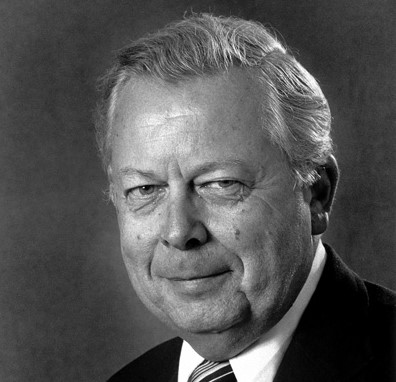
Dr. Donald Gleason, who served in the U.S. Army Medical Corps, devised the scoring system in the 1960s while working at the Minneapolis VA Health Care System.
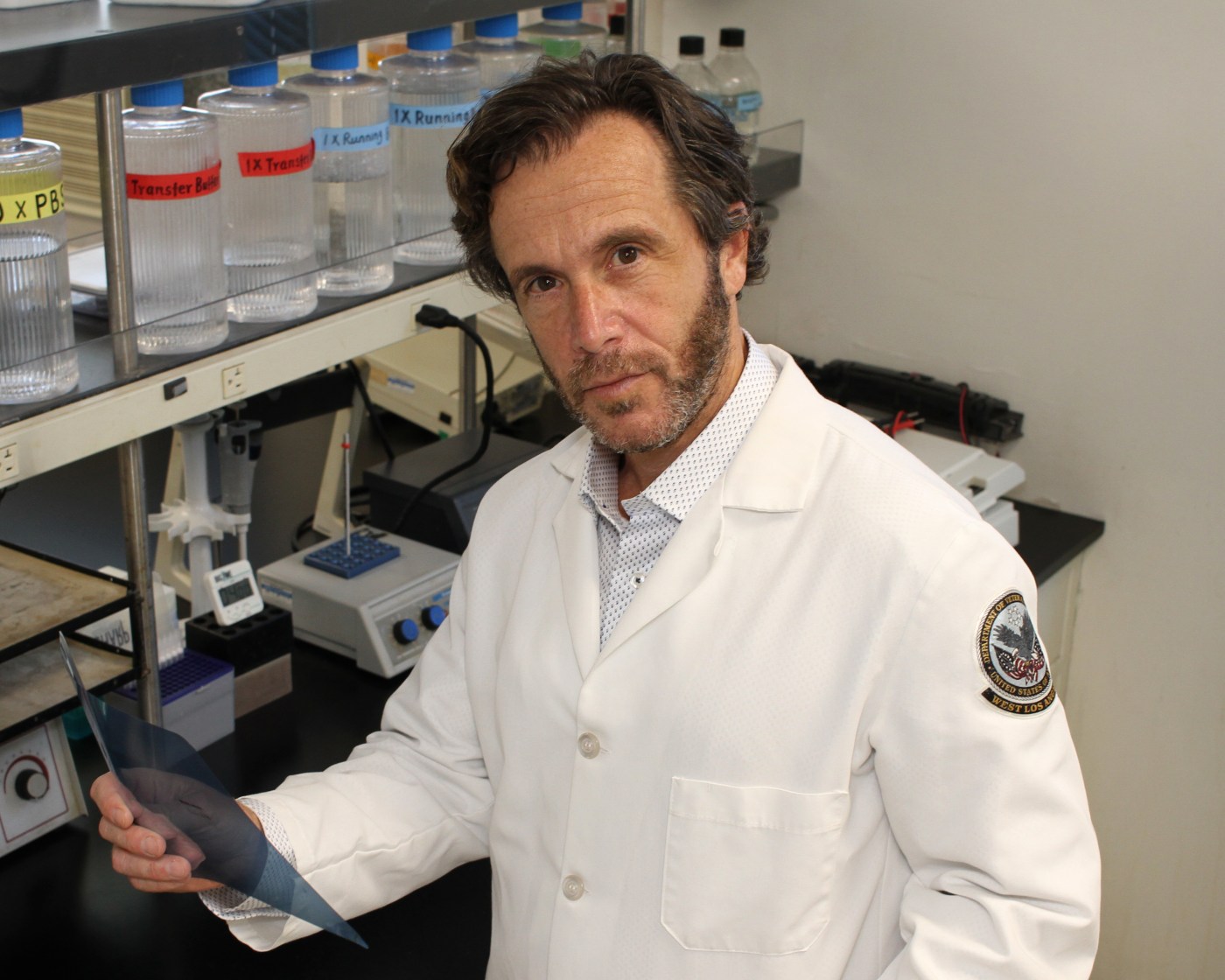
VA researchers will be testing the prostate cancer drug degarelix for treating nearly 200 COVID-19 patients at VA medical centers.

A new study funded by the National Institutes of Health and the Department of Defense found similar survival rates among black and white patients with prostate cancer receiving care at VA.
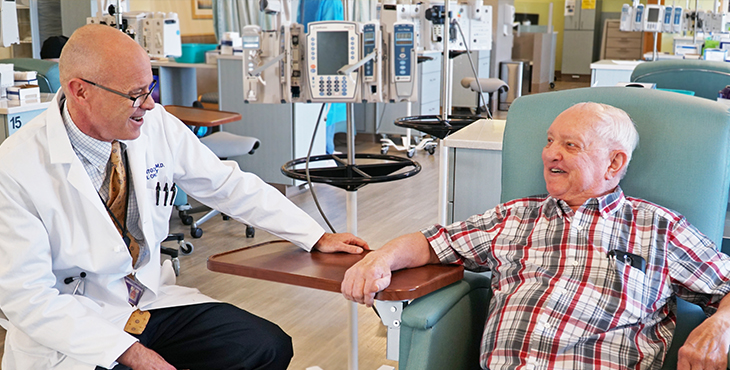
Hear the latest on treating prostate cancer. Check out a Feb. 24 lecture, online or in person at VA headquarters, on precision oncology for Veterans.
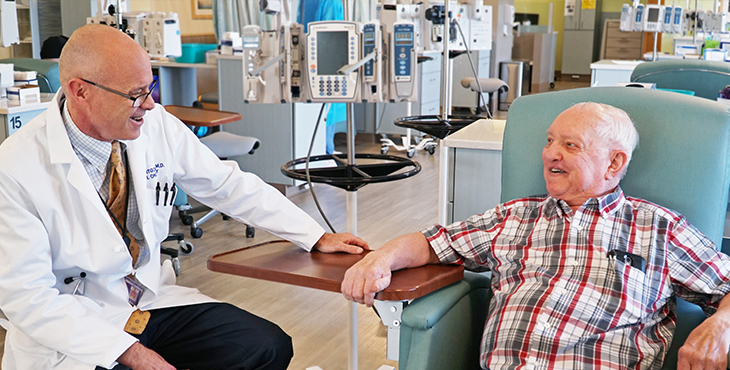
A partnership between VA and the Prostate Cancer Foundation is speeding the development of treatments and cures for Veterans with aggressive—or metastatic—prostate cancer through precision oncology.
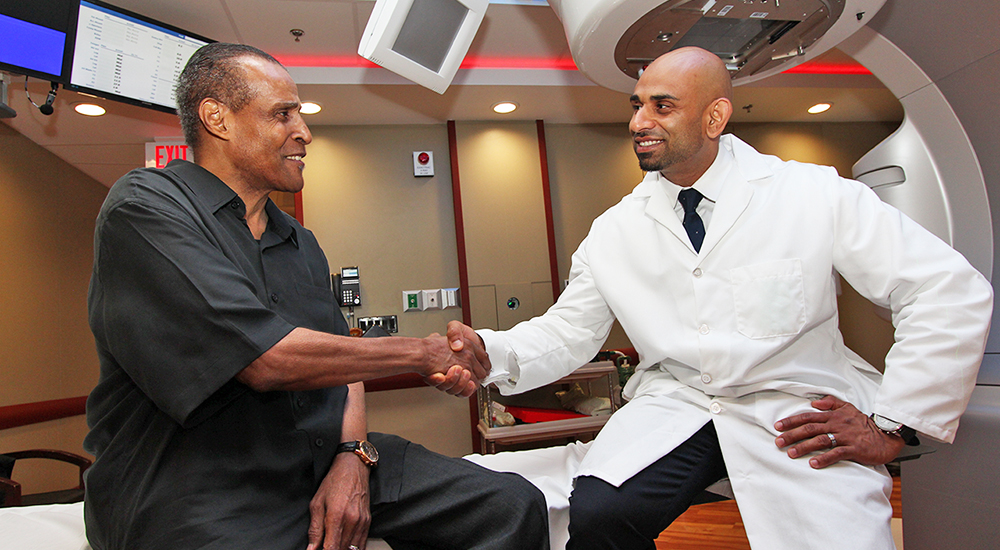
APOLLO is a complex acronym for a data collection project with an important goal: individualized cancer treatment. VA is working with federal partners in largely unprecedented cancer research.

Dr. Stacy Loeb decided to help treat Veterans with prostate cancer when her grandfather was diagnosed with the disease. Her research is helping to determine the best treatment options.


Official websites use .gov
A .gov website belongs to an official government organization in the United States.

Secure .gov websites use HTTPS
A lock (
) or https:// means you’ve safely connected to the .gov website. Share sensitive information only on official, secure websites.
We’re here anytime, day or night - 24/7
If you are a Veteran in crisis or concerned about one, connect with our caring, qualified responders for confidential help. Many of them are Veterans themselves.
Get more resources at VeteransCrisisLine.net.

VA News
An official website of the U.S. Department of Veterans Affairs
- VA.gov
- ChooseVA
- VA Forms
- VA Publications
- About VA
- VA mobile apps
- Accessibility at VA
- No FEAR Act data
- Whistleblower Protection
- Office of the Inspector General
- VA plans, budget, finances, and performance
- Agency Financial Report
- Privacy policy
- FOIA requests
- Disclaimers
- Open data
- Vulnerability disclosure policy
- Copyright policy
Looking for U.S. government information and services? Visit USA.gov