When we have aches and pains, we often notice our body “talking” to us. This Tai Chi basic moves practice helps with those aches and pains before they begin.
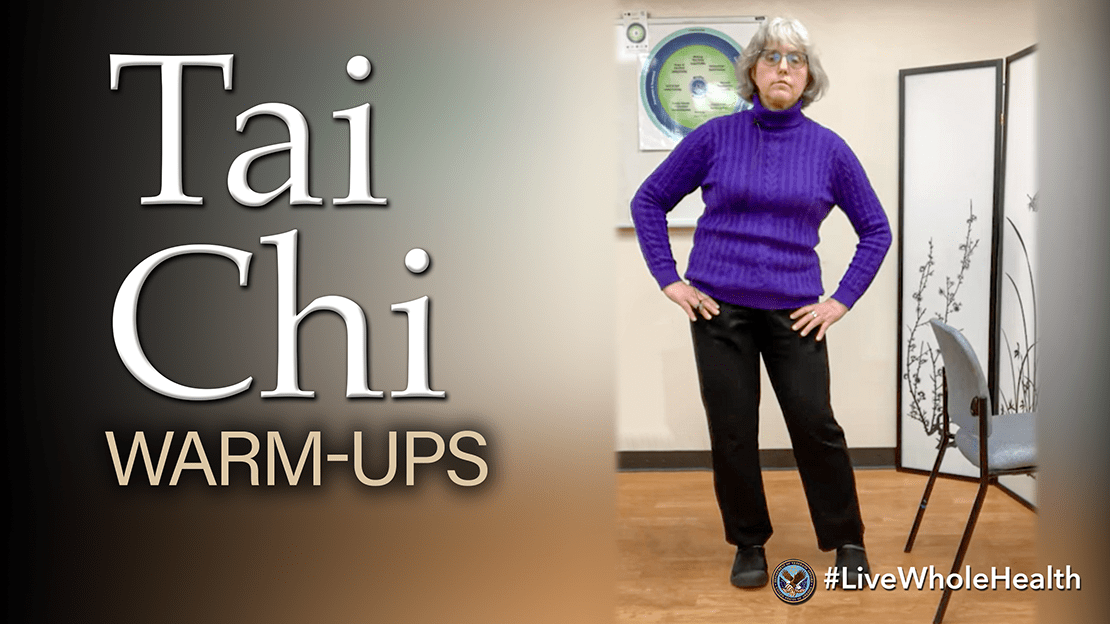
Tai Chi is a simple mind/body practice, and these warm-ups enhance relaxation, calm and focus the mind, improve sleep, posture, strength, flexibility and balance.
Balance. Inner peace. Physical and emotional health. These are some of the possible benefits of a regular Tai Chi practice.
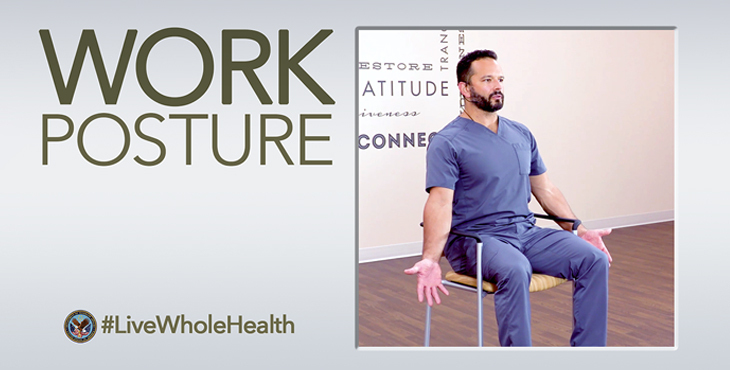
Check out these expert tips to support better posture at home or at work in this 5-minute video for this week's #LiveWholeHealth. Your spine will thank you!
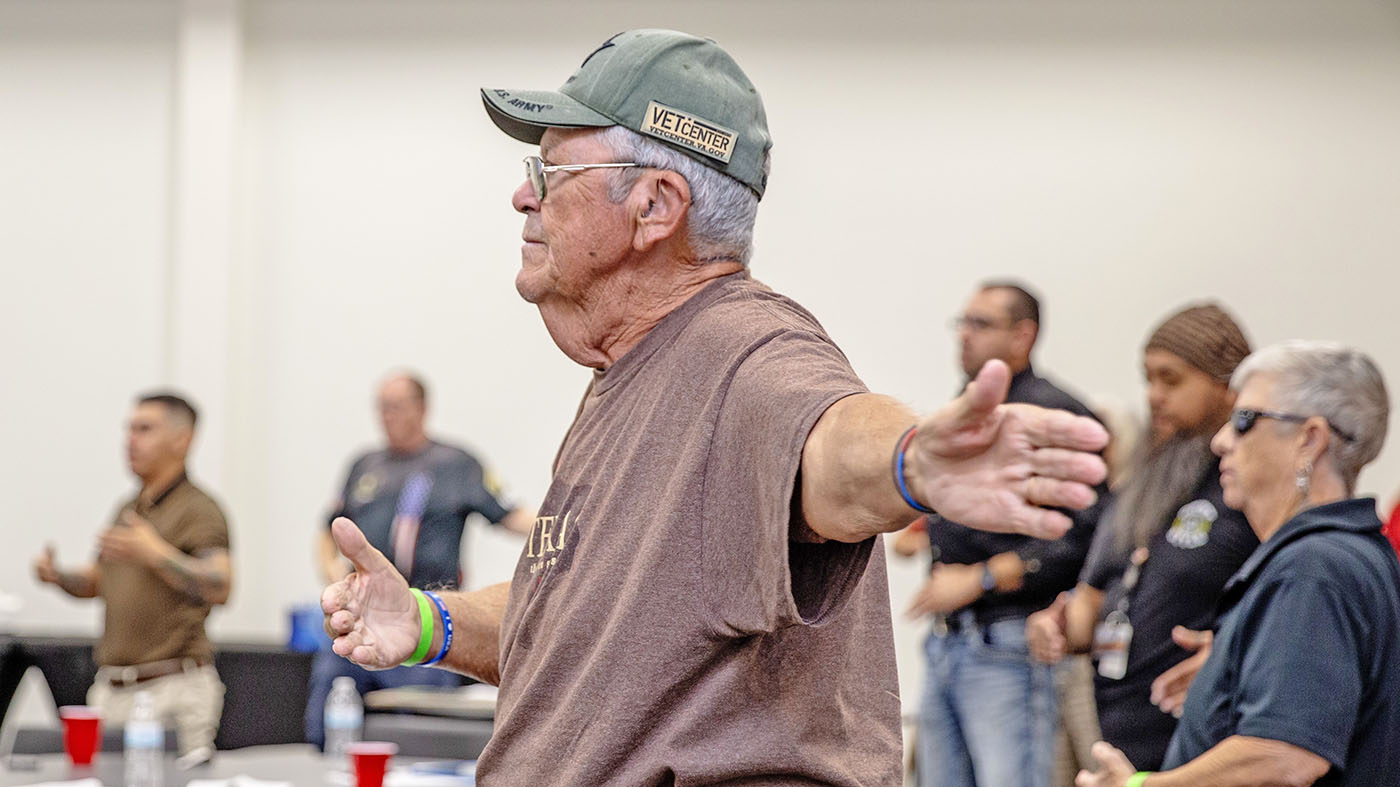
Texas Valley Coastal Bend VA held a mental health summit at the Coastal Bend Food Bank facility in Corpus Christi, Texas.
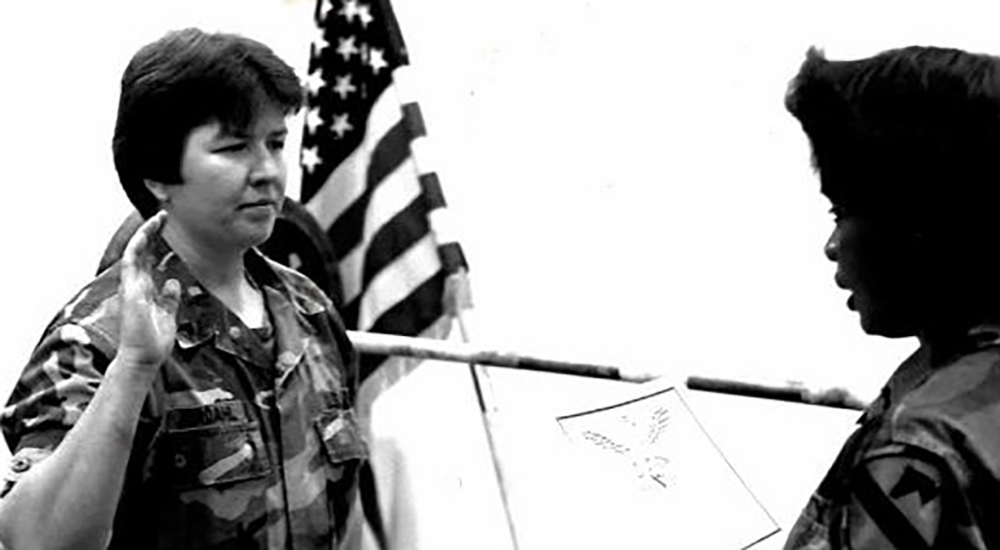
National Volunteer Week. Every volunteer makes such a difference in our Veterans’ lives and enhances the Veteran experience.
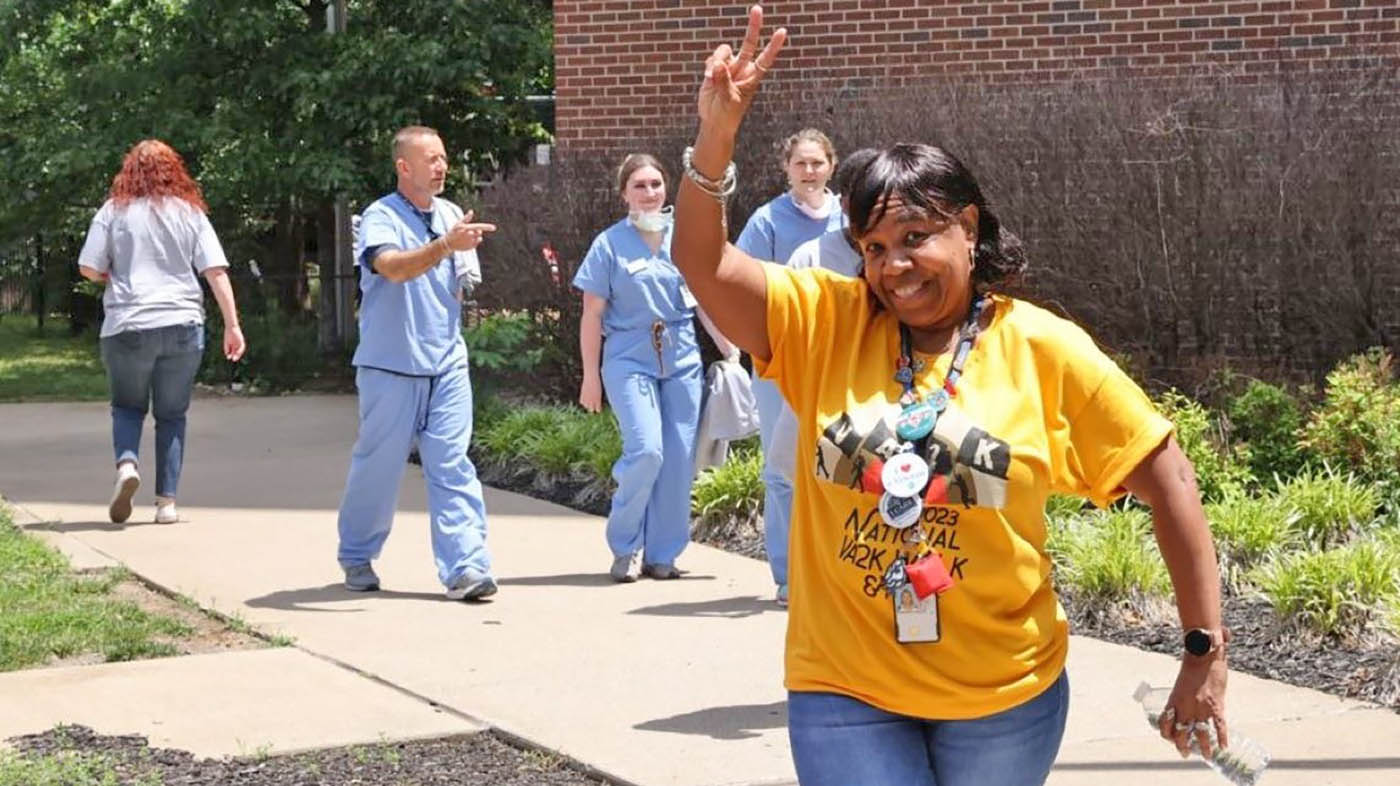
Join the 14th Annual VA2K Walk & Roll May 15 to inspire employees to add activity to their workday and support homelessness programs
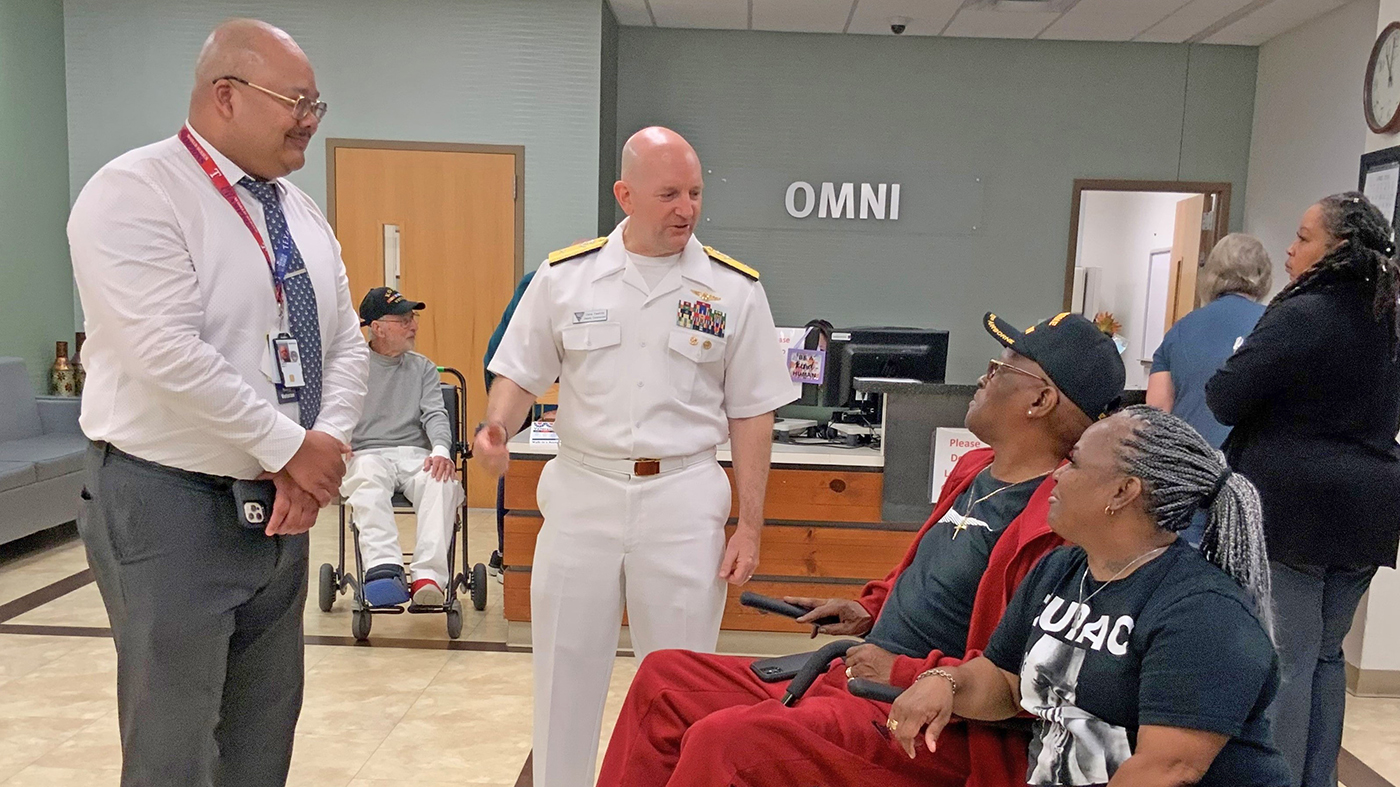
Vietnam War Commemoration and Navy Week program welcomed home hundreds of Texas Veterans with week-long commemorative
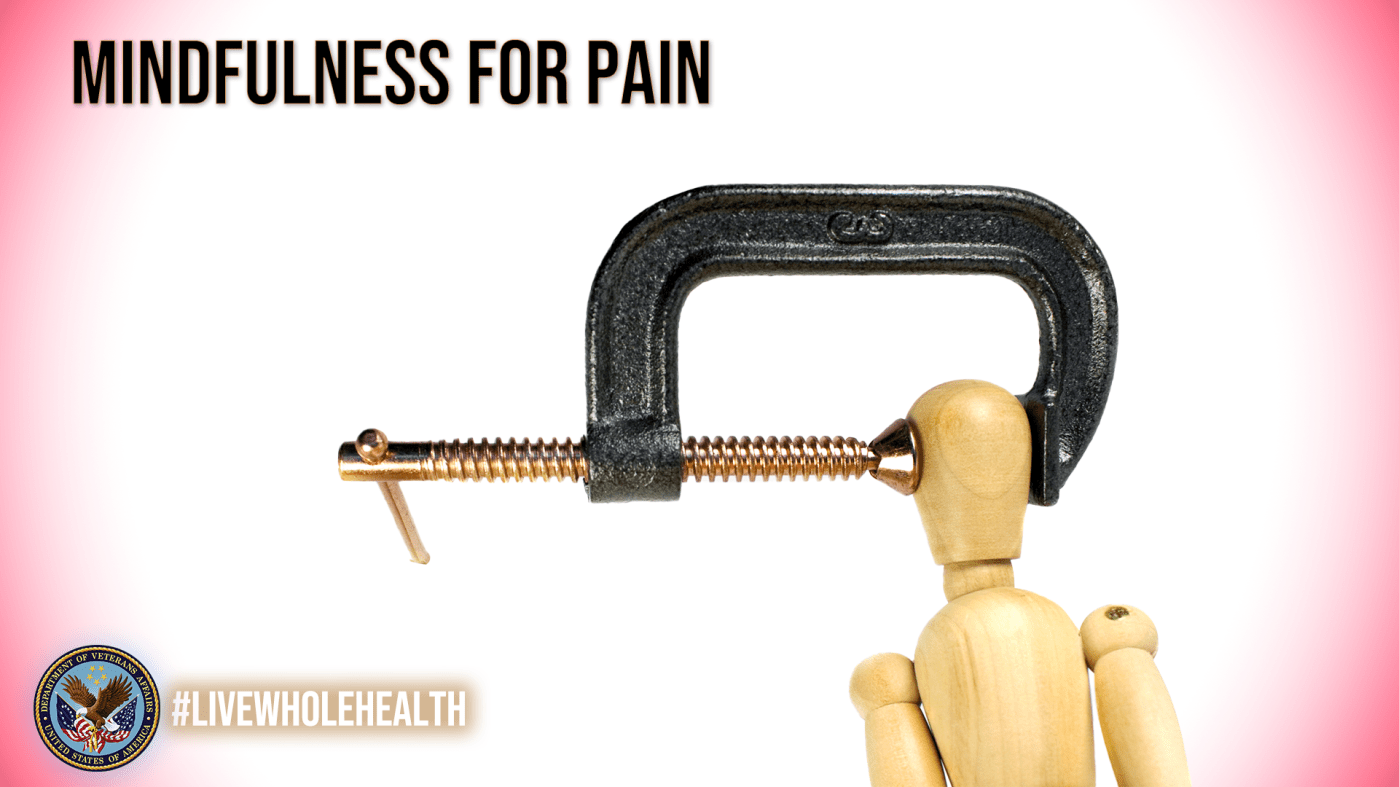
Did you know mindfulness can help ease chronic pain? Find relief with a 13-minute guided meditation practice this week's #LiveWholeHealth video.
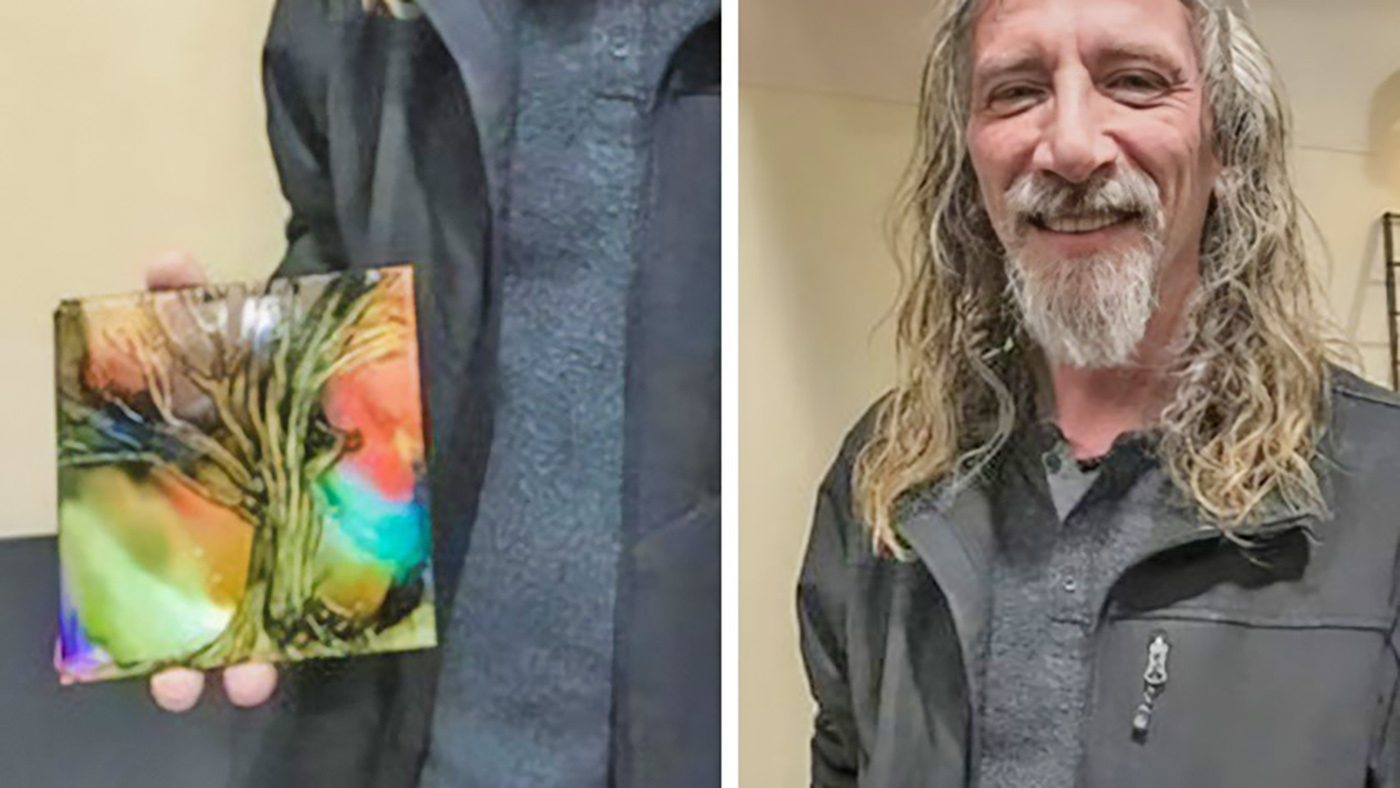
A Veteran’s pain management plan included Whole Health services. He also joined an art therapy group.
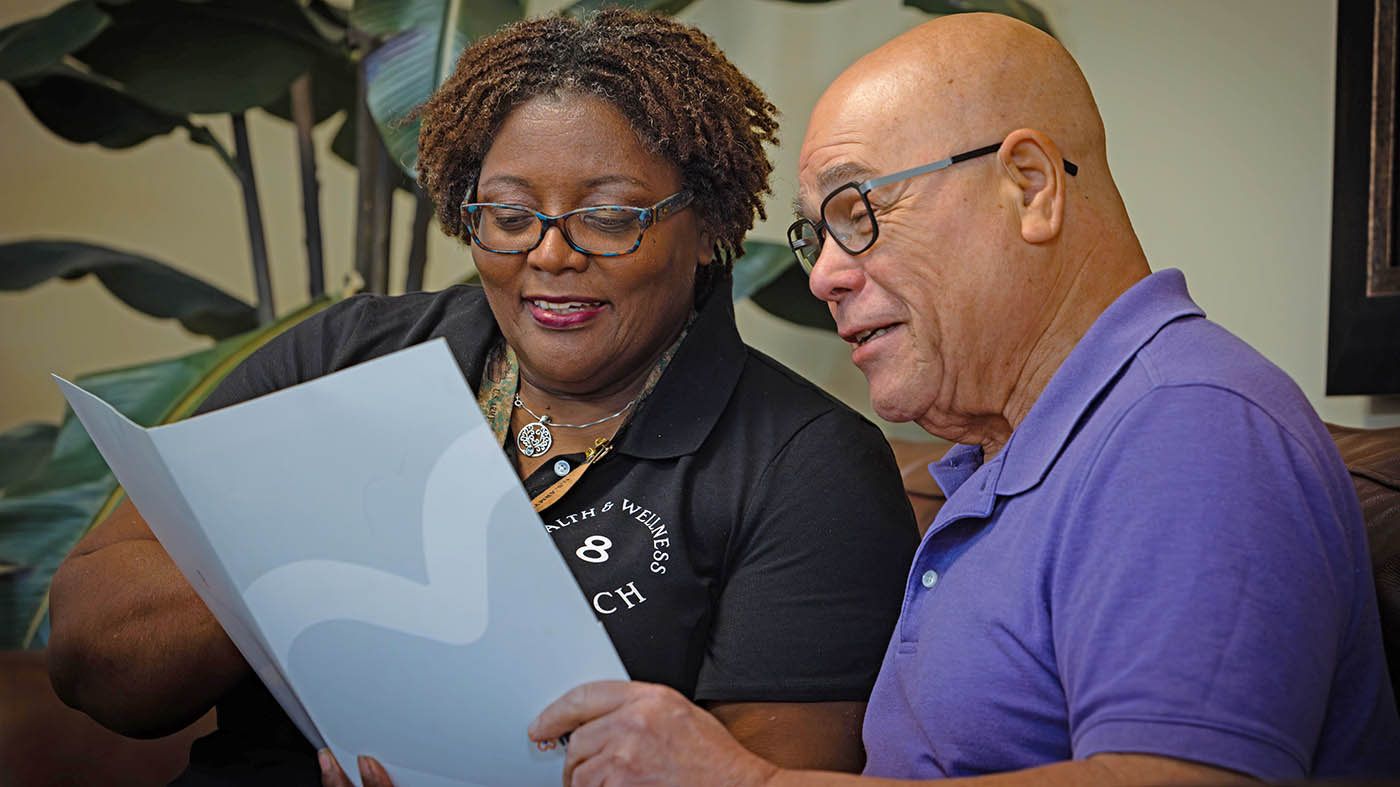
Whole Health inspires thought provoking and creative approaches that maximize potential for Veterans.
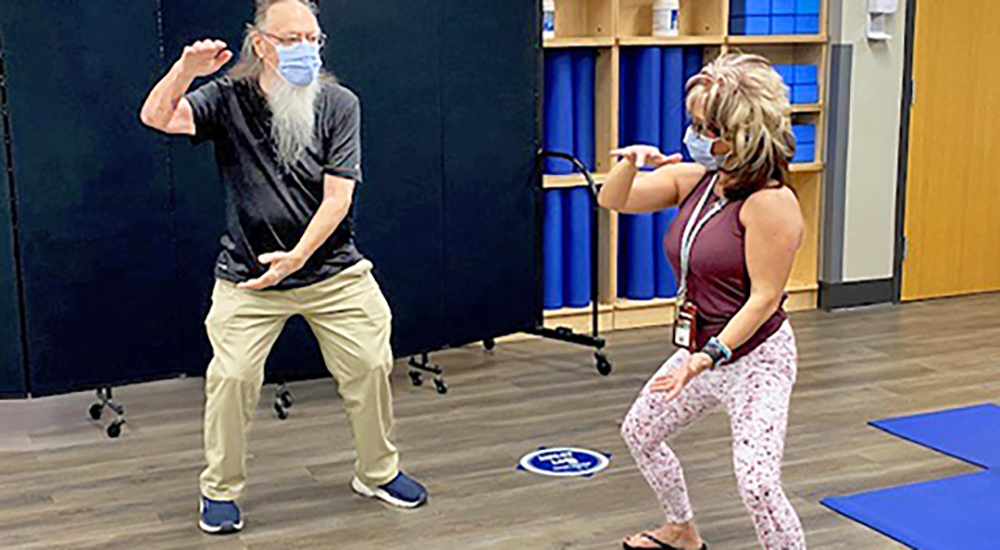
VA’s shift to a Whole Health system of care changes the conversation from “What is the matter with you?” to “What matters to you?”


Official websites use .gov
A .gov website belongs to an official government organization in the United States.

Secure .gov websites use HTTPS
A lock (
) or https:// means you’ve safely connected to the .gov website. Share sensitive information only on official, secure websites.

We’re here anytime, day or night - 24/7
If you are a Veteran in crisis or concerned about one, connect with our caring, qualified responders for confidential help. Many of them are Veterans themselves.
Get more resources at VeteransCrisisLine.net.