The podcast industry is growing exponentially. Research shows there are now 465 million podcast listeners globally, a figure expected to reach 505 million by 2024. Plus, there are more than 5 million podcasts around the world in an industry market size of nearly $25 billion.

Every year, VA diagnoses and treats about 43,000 Veterans with new cases of cancer; VA currently treats 400,000 Veterans with cancer. Here is VA's progress on treating cancer.
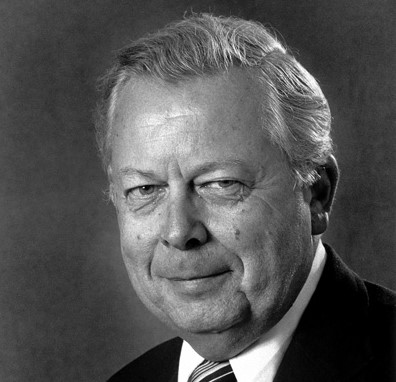
Dr. Donald Gleason, who served in the U.S. Army Medical Corps, devised the scoring system in the 1960s while working at the Minneapolis VA Health Care System.
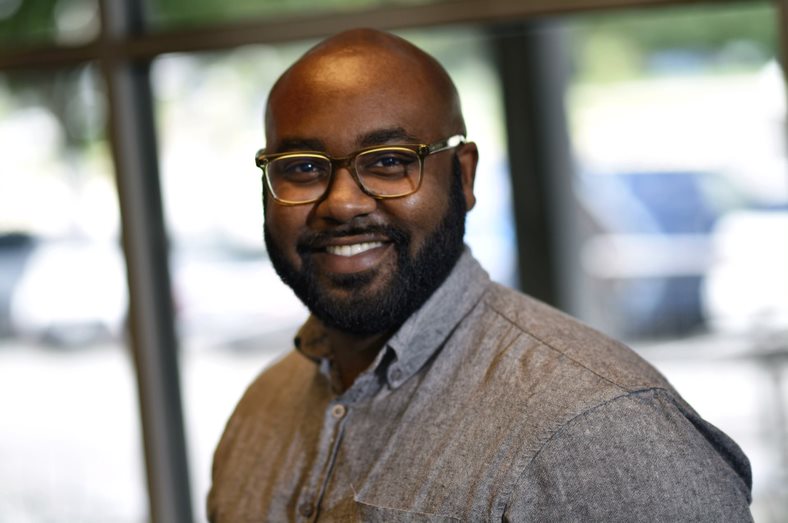
The executive order notes, "Each federal agency must assess whether, and to what extent, its programs and policies perpetuate systemic barriers to opportunities and benefits for people of color and other underserved groups."

Caring for Veterans isn’t always clinical. There are many ways for a physician to find a home at VA. Read more here.
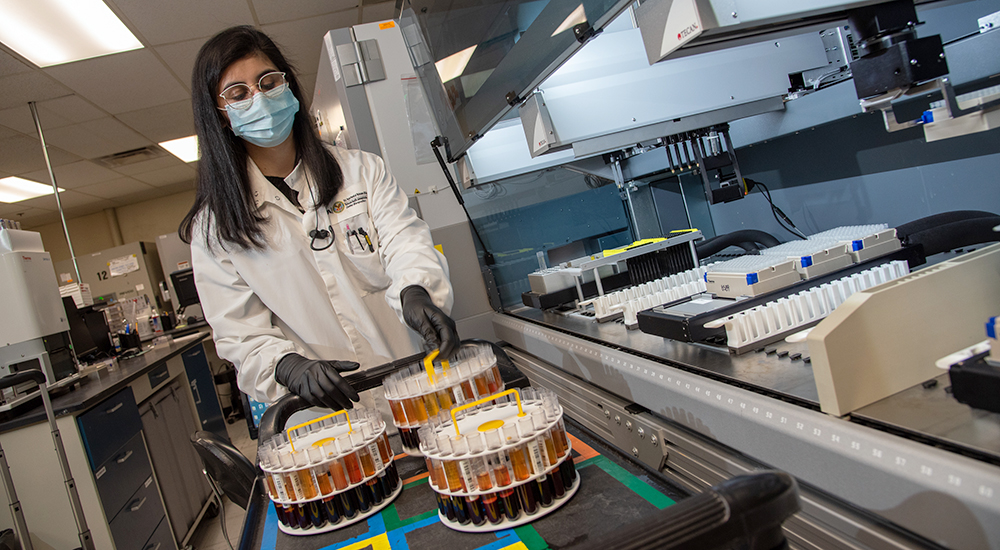
The theme of this year’s National VA Research Week, May 17–21, is “One Team, One Mission,” reflecting the nationwide focus of VA researchers on improving Veterans’ health care and quality of life.

Rural Veteran patients can access TeleOncology for cancer treatment two different ways through the Veterans Health Administration.

The VA National Oncology Program is expanding TeleOncology access to Veterans across the nation with the National TeleOncology Program.
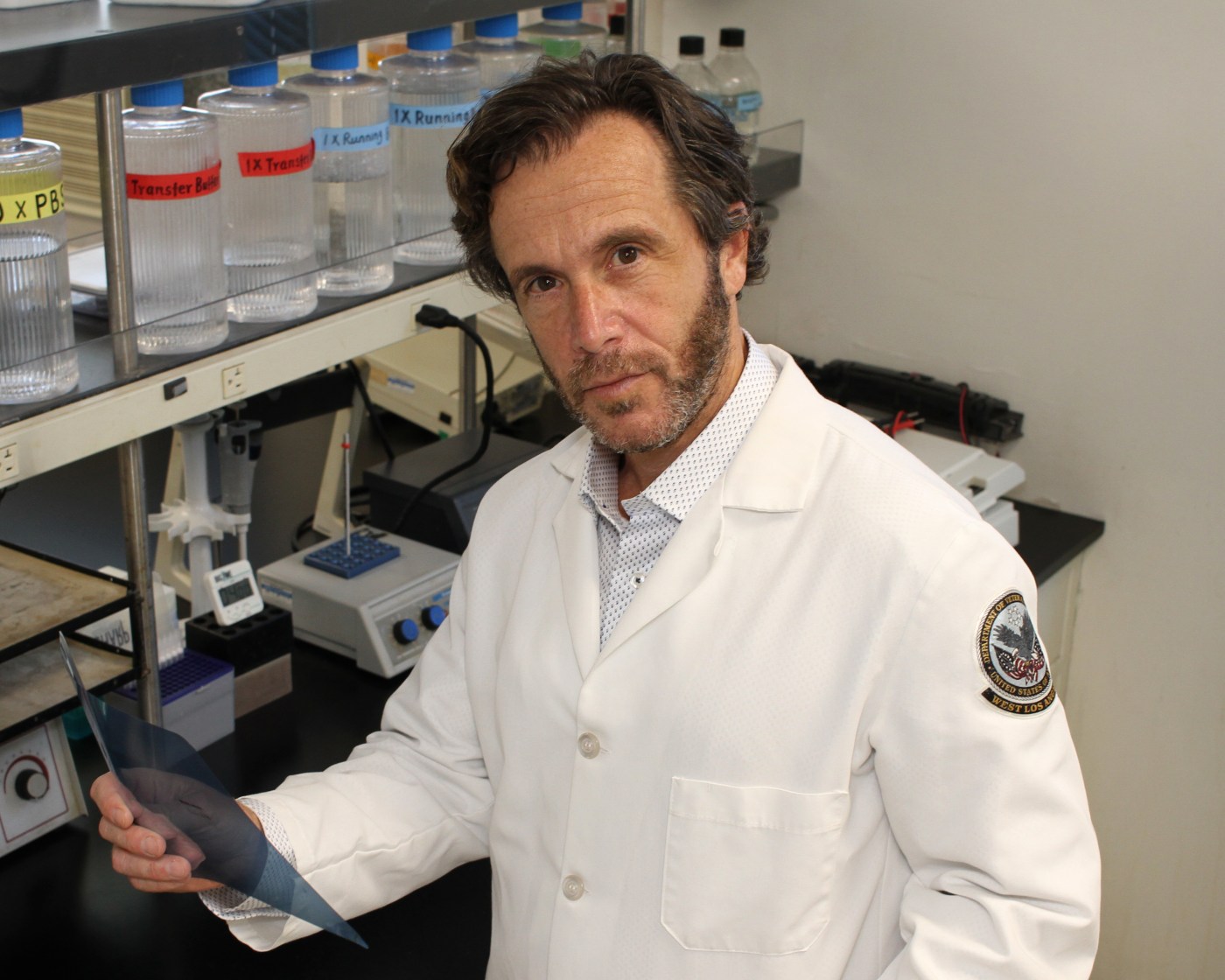
VA researchers will be testing the prostate cancer drug degarelix for treating nearly 200 COVID-19 patients at VA medical centers.
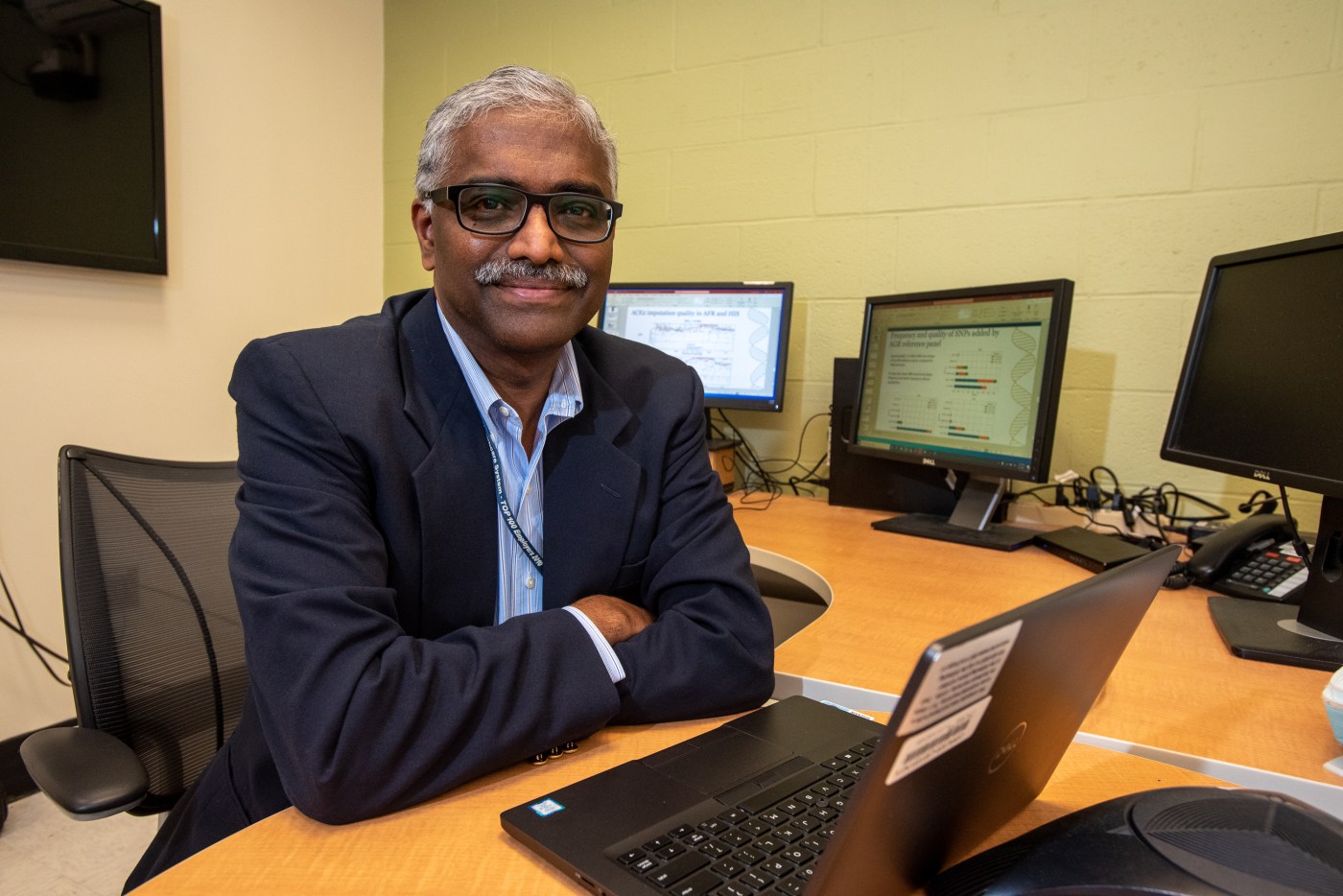
It’s become a clear goal of VA’s Million Veteran Program, one of the world’s largest databases of health and genetic information: encouraging more racial and ethnic diversity in its enrollment, which is now at more than 830,000 in its climb toward 1 million and beyond. The greater the diversity, the program’s leaders believe, the more opportunities for genetic research into groups that have been traditionally underrepresented in the medical community.
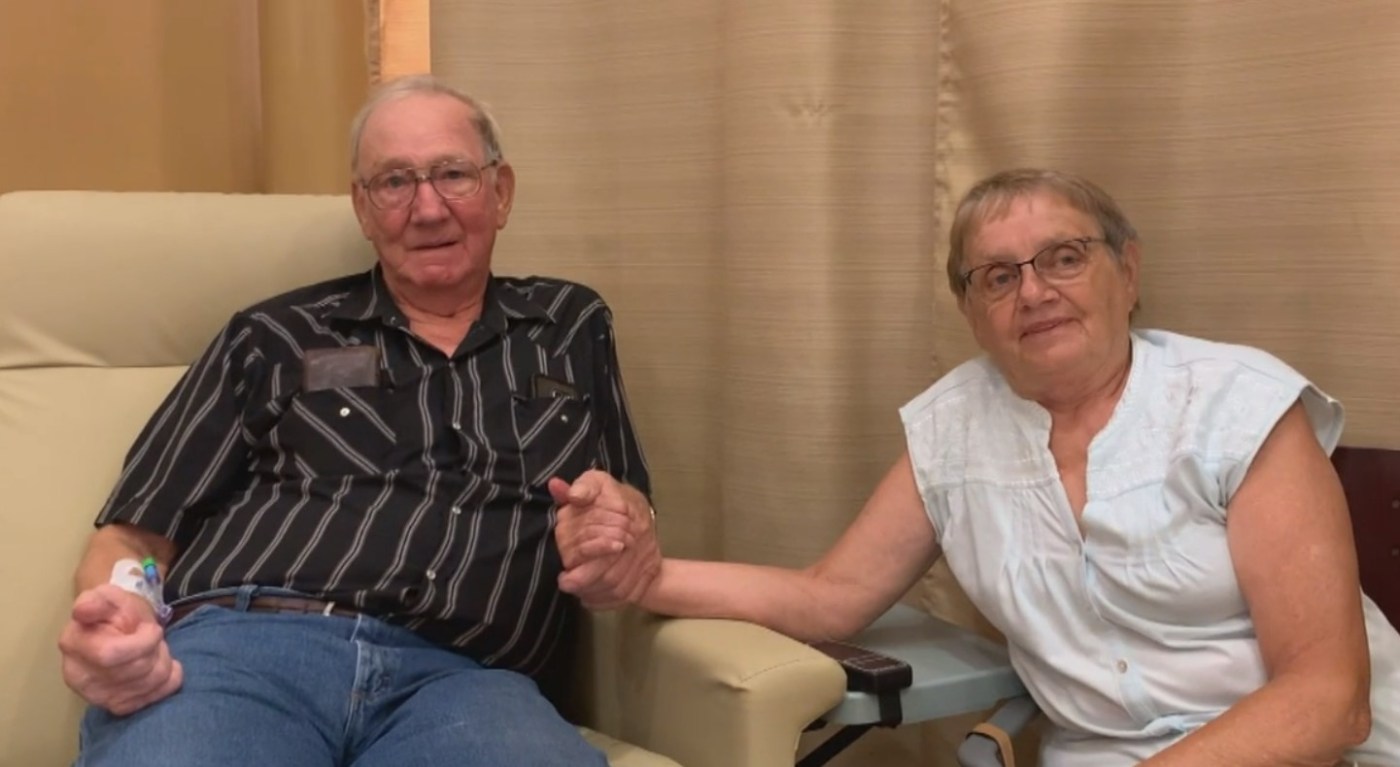
VA's Precision Oncology program has significantly grown over the past several years and today is used in almost every VA oncology practice nationwide.
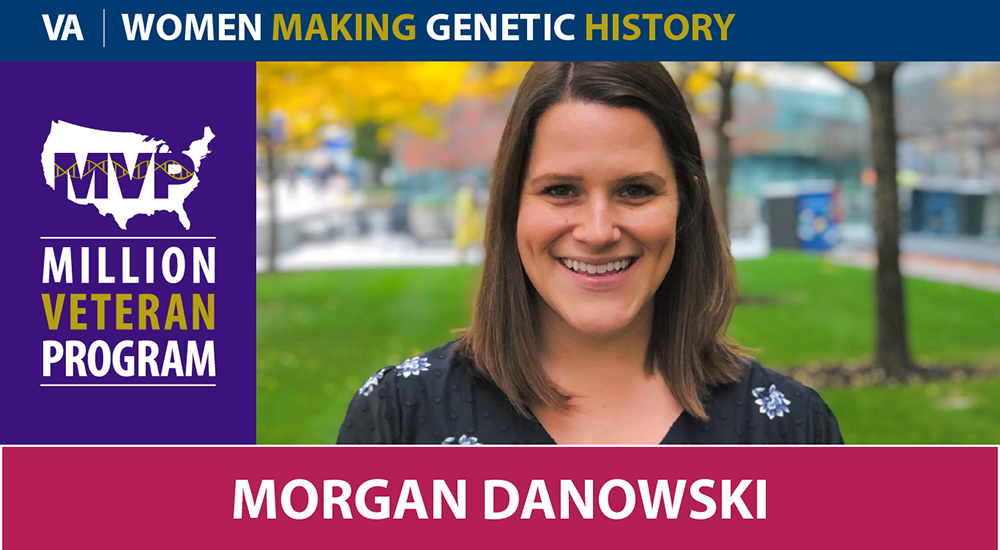
VA’s Million Veteran Program is one of the world’s largest genetics research programs, innovating health care for Veterans. Genetic counselor Morgan Danowski shares her story as part of the program.


Official websites use .gov
A .gov website belongs to an official government organization in the United States.

Secure .gov websites use HTTPS
A lock (
) or https:// means you’ve safely connected to the .gov website. Share sensitive information only on official, secure websites.

We’re here anytime, day or night - 24/7
If you are a Veteran in crisis or concerned about one, connect with our caring, qualified responders for confidential help. Many of them are Veterans themselves.
Get more resources at VeteransCrisisLine.net.