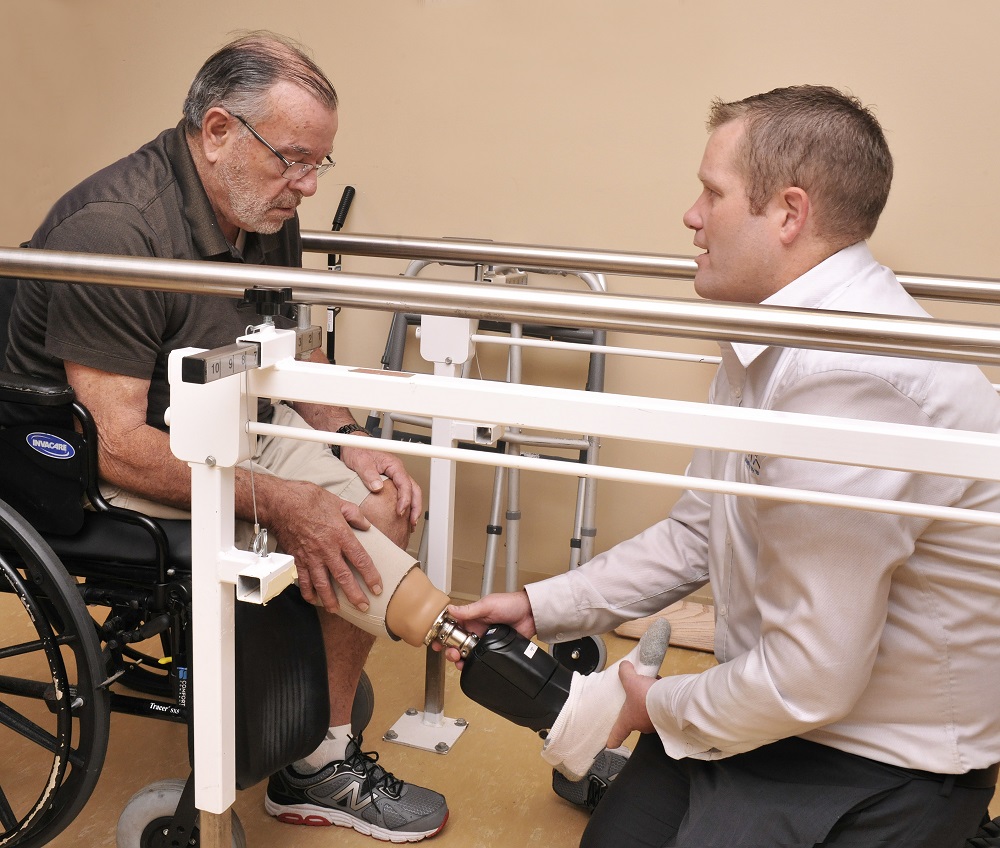
The five innovations below we’re awarded 2020 FedHealthIT Innovation Awards for being forward thinking and delivering results for Veterans.
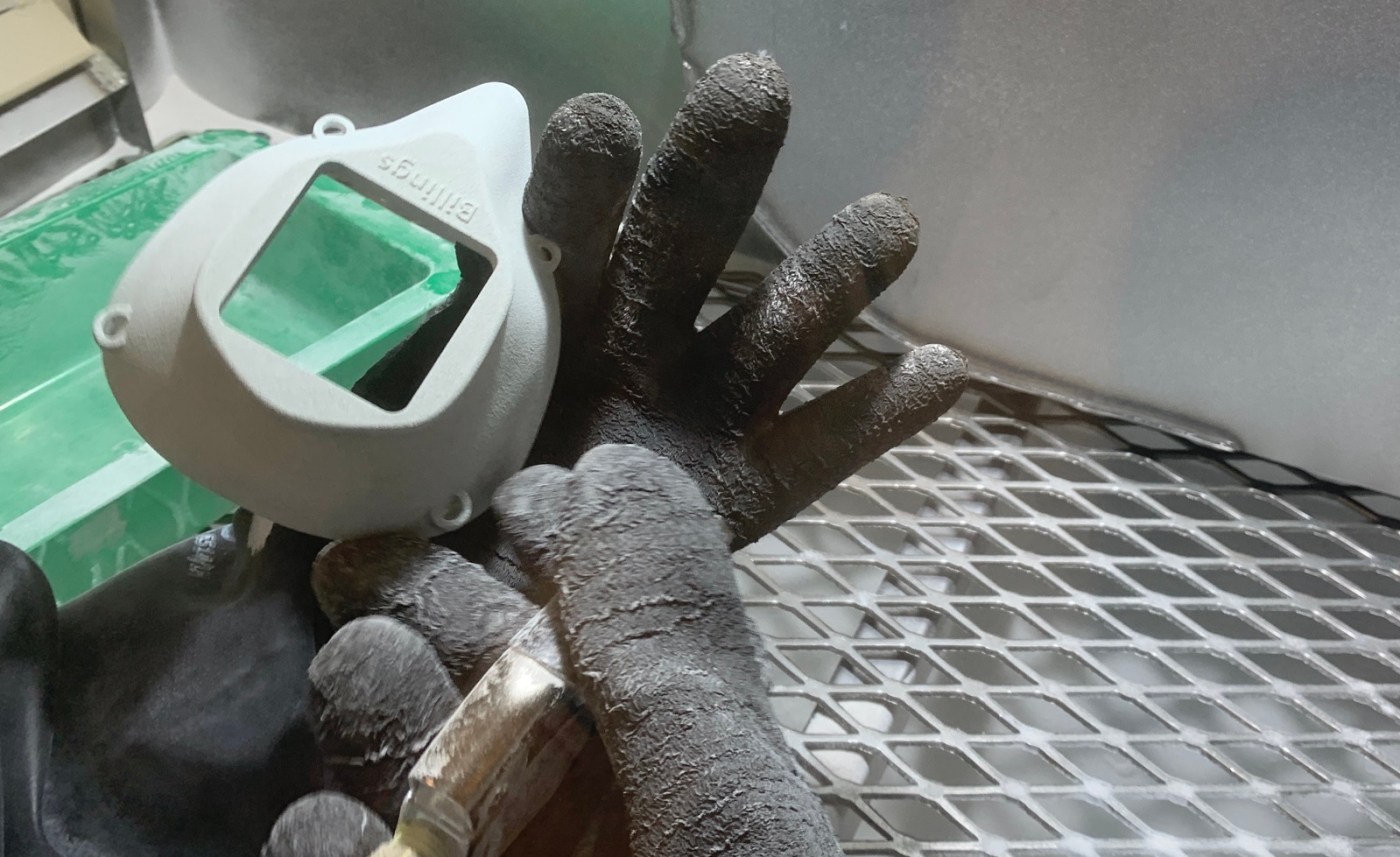
VHA has pioneered the use of 3D printing in the health care space. Now, we are using that expertise to help respond to the COVID-19 public health emergency.
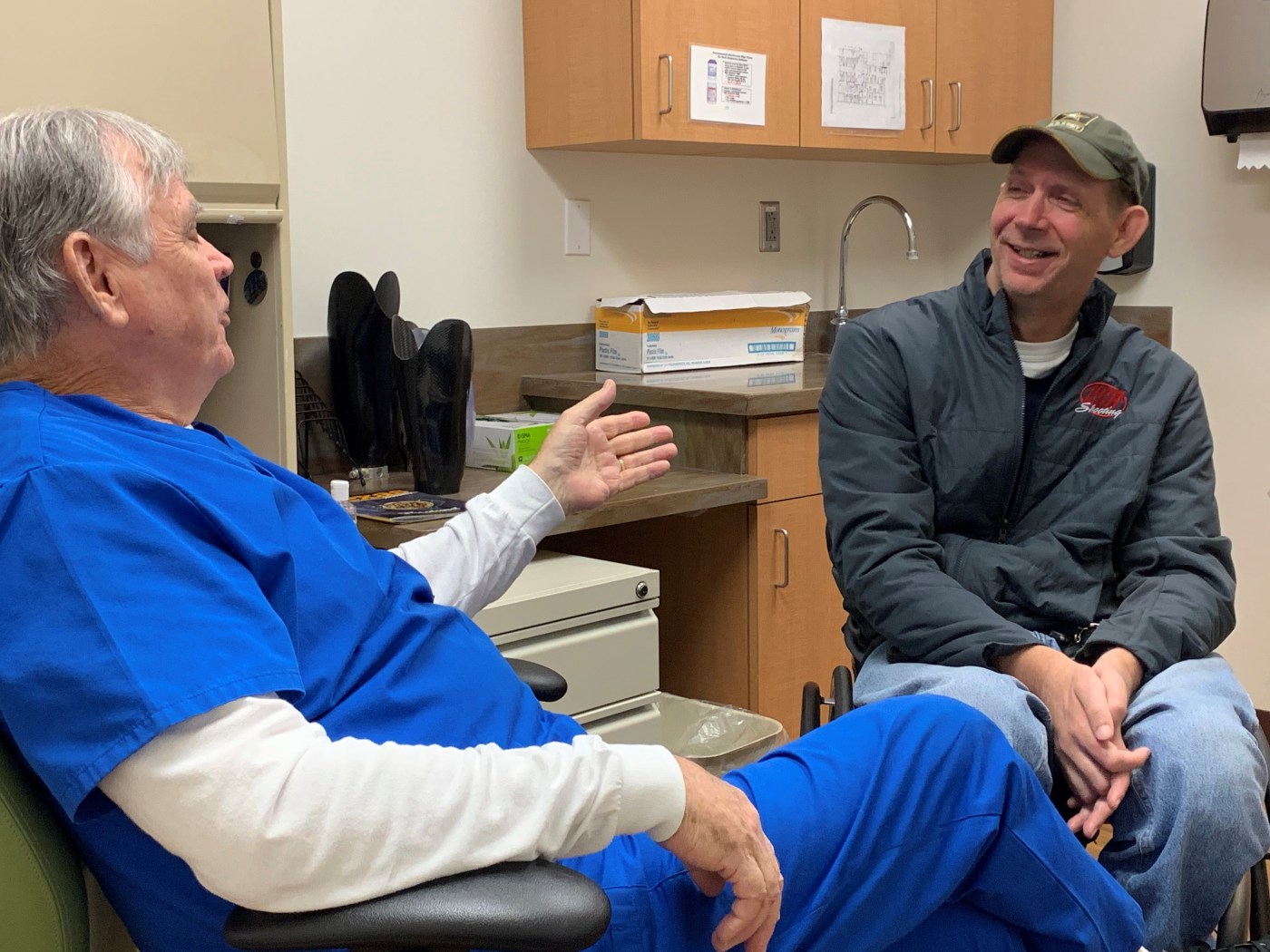
With the help of the Prosthetics Service and 3d printing at the San Antonio VA, Army Veteran David Cromwell has cultivated a passion for sharpshooting.
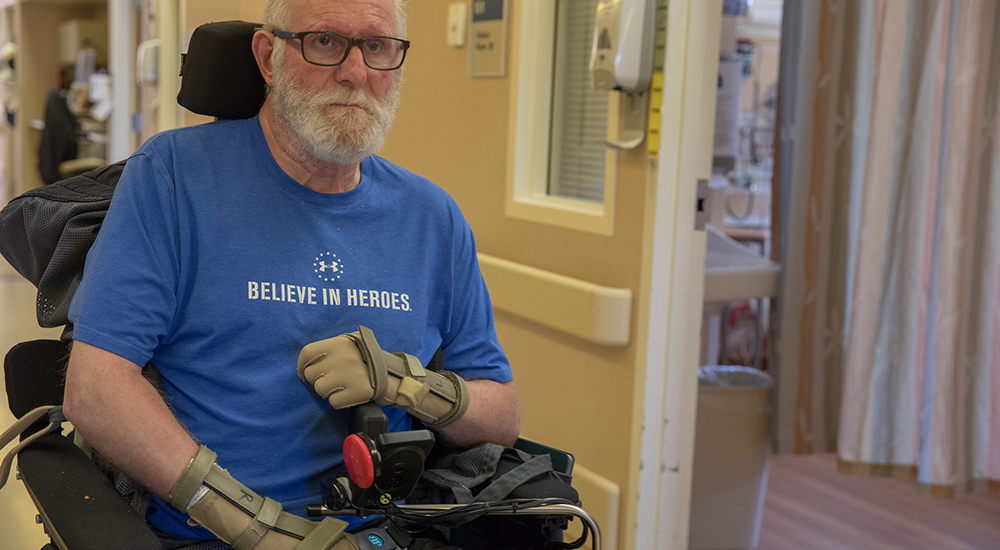
When Veteran Jim Borelli was unable to drive his power wheelchair with a round joystick, a Milwaukee VA Medical Center physical therapist put him back in control with a square 3D-printed replacement.
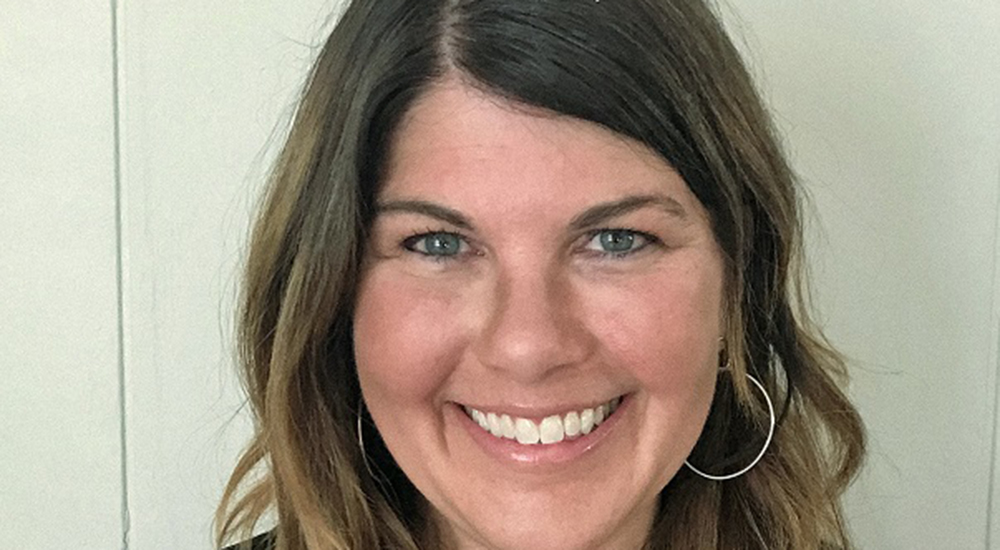
Doctors, researchers and engineers at VA Puget Sound Health Care System are working with the UW School of Medicine on new ways to use 3D printing to diagnose and treat complex heart conditions.
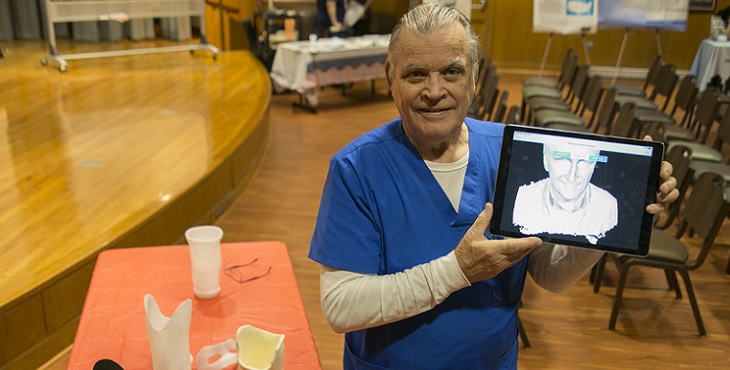
South Texas VA’s senior prosthetist, Gordon Bosker presented 3-D printing technologies as part of South Texas’ Research Week celebration.
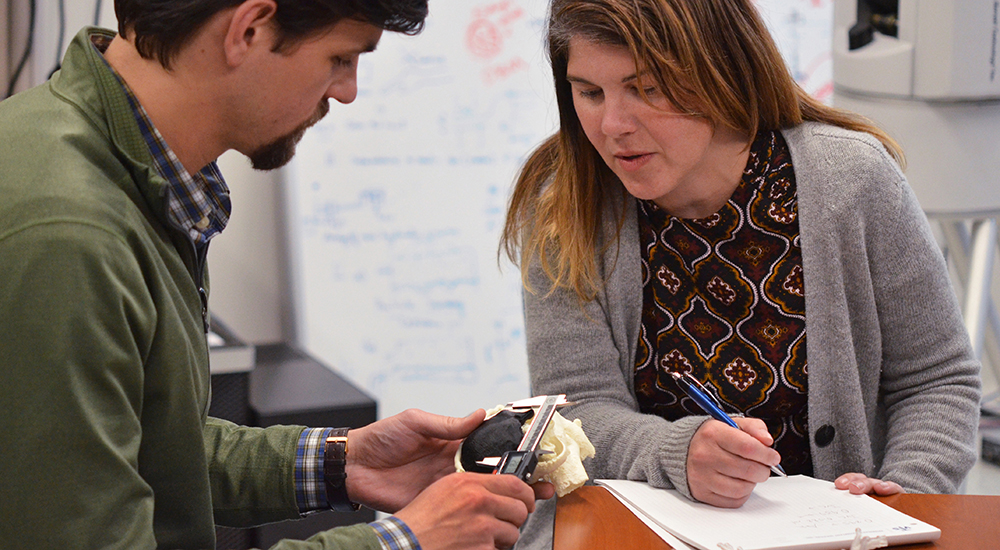
With GE’s 3D printing program, VA radiologists can produce models of a Veteran’s anatomy that a surgeon – and the patient – can hold in their hand and inspect from all angles. Read how it works.
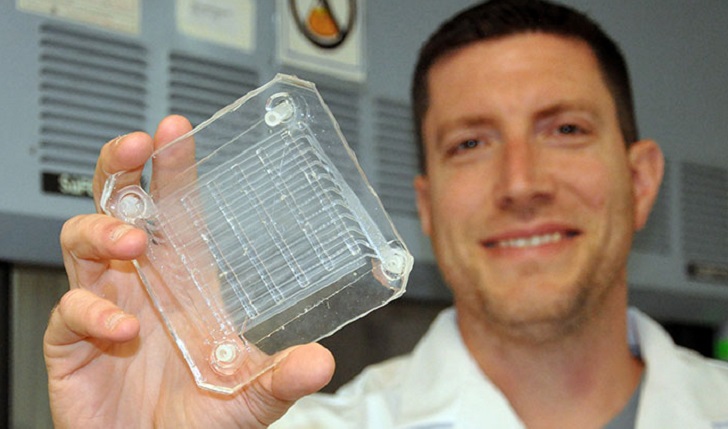
Still in its infancy, VA researchers hope to build the first artificial lung that closely replicates the natural lung and compatible with living cells.

VA is advancing Veteran care by using 3D printing in innovative and cutting-edge ways changing the way VA and the health care industry function, from giving surgeons new ways to prepare for surgery to creating brand new orthotics for disabled Veterans.
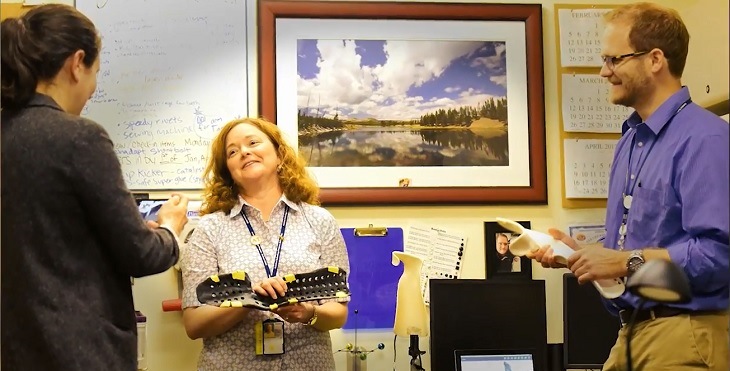
A 3D printer employed by McGuire VA Medical Center allows engineering teams to create one-of-a-kind devices tailored for each patient to improve their daily lives by helping them overcome functional challenges.
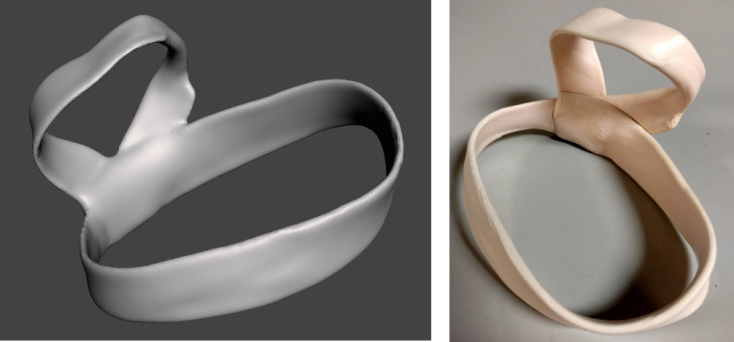
3D printers create objects from digital designs by laying down extremely thin layers of material one at a time building a three-dimensional object. These printers can create unique parts customized for each Veteran.


Official websites use .gov
A .gov website belongs to an official government organization in the United States.

Secure .gov websites use HTTPS
A lock (
) or https:// means you’ve safely connected to the .gov website. Share sensitive information only on official, secure websites.
We’re here anytime, day or night - 24/7
If you are a Veteran in crisis or concerned about one, connect with our caring, qualified responders for confidential help. Many of them are Veterans themselves.
Get more resources at VeteransCrisisLine.net.

VA News
An official website of the U.S. Department of Veterans Affairs
- VA.gov
- ChooseVA
- VA Forms
- VA Publications
- About VA
- VA mobile apps
- Accessibility at VA
- No FEAR Act data
- Whistleblower Protection
- Office of the Inspector General
- VA plans, budget, finances, and performance
- Agency Financial Report
- Privacy policy
- FOIA requests
- Disclaimers
- Open data
- Vulnerability disclosure policy
- Copyright policy
Looking for U.S. government information and services? Visit USA.gov