In this episode of PTSD Bytes, Pearl McGee-Vincent discusses crisis support resources with Dr. Lisa Brenner, rehabilitation psychologist.

NHRVS is the brainchild of Dr. Pietrzak, director of the Translational Psychiatric Epidemiology Laboratory of the VA National Center for PTSD in West Haven, Connecticut. NHRVS―called “Nerves”―is a nationally representative survey administered to Veterans both inside and outside the VA health care system.

You have questions about the Veterans Crisis Line; we have answers. You are not alone and the Veterans Crisis Line is here to support you.

The researchers estimated the cost of PTSD at $232.2 billion for 2018, the latest year for which data were available at the time of the study. They called for increased awareness of PTSD, more effective therapies, and the expansion of evidence-based strategies to “reduce the large clinical and economic burden” of that mental health condition.
Clinical psychologist Pearl McGee-Vincent discusses trauma with Dr. Debra Kaysen, research scientist at the National Center for PTSD.

Chronic pelvic pain is a common condition in women Veterans. VA health care providers can identify causes and provide treatment options.

She led a case review that highlighted missed opportunities to screen a Veteran for suicidal ideation—thoughts of taking one’s own life—and to provide appropriate follow-up care during an emergency department (ED) visit. The case review, part of a larger study on ED care, appeared in the Journal of Emergency Nursing in November 2021.
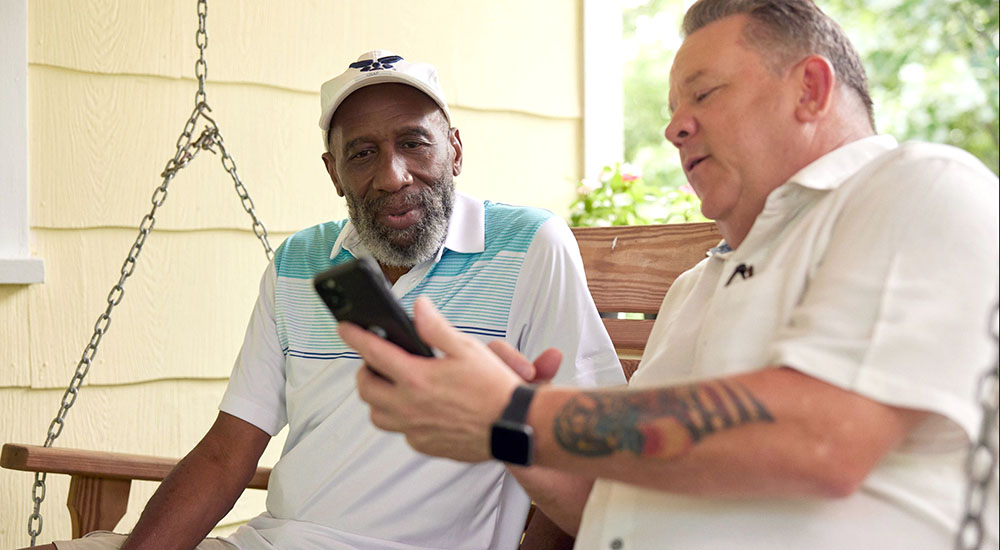
The VetChange mobile app can help you to stop or cut back on drinking and learn healthier ways to manage PTSD symptoms.

VE-HEROeS is the first nationwide survey of both the physical and mental health of Vietnam War Veterans in more than 30 years. It sought survey data from more than 45,000 Vietnam-era Veterans, as well as 11,000 matched controls.

Interested in a VA career? Meet up with VA recruiters at five recruiting events this May.

New 34,000-square-foot Fort Smith clinic replaces a 19,000-square-foot location; will serve 10,000 Veterans with a variety of new services.

Veterans are 2.5 times more likely than non-Veterans to have diabetes. If you suffer from diabetes distress, VA can help you cope.


Official websites use .gov
A .gov website belongs to an official government organization in the United States.

Secure .gov websites use HTTPS
A lock (
) or https:// means you’ve safely connected to the .gov website. Share sensitive information only on official, secure websites.
We’re here anytime, day or night - 24/7
If you are a Veteran in crisis or concerned about one, connect with our caring, qualified responders for confidential help. Many of them are Veterans themselves.
Get more resources at VeteransCrisisLine.net.

VA News
An official website of the U.S. Department of Veterans Affairs
- VA.gov
- ChooseVA
- VA Forms
- VA Publications
- About VA
- VA mobile apps
- Accessibility at VA
- No FEAR Act data
- Whistleblower Protection
- Office of the Inspector General
- VA plans, budget, finances, and performance
- Agency Financial Report
- Privacy policy
- FOIA requests
- Disclaimers
- Open data
- Vulnerability disclosure policy
- Copyright policy
Looking for U.S. government information and services? Visit USA.gov